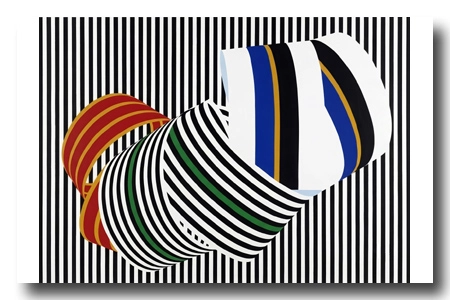

For years, the general public has associated the name Franco Grignani primarily with graphic design and iconic advertising campaigns. Yet, his work as a painter and visual artist was never a side project or a secondary interest. It ran strictly parallel to his commercial career, feeding into it and drawing inspiration from it in equal measure.
For Grignani, these two realms were never separate. Formal concepts first experimented with on canvas would frequently re-emerge years later as visual frameworks for design projects.
As American-style advertising agencies rose to dominance in Italy—bringing a standardised commercial language—Grignani made a deliberate choice to step away from the advertising world in the late 1970s. This departure allowed him to return fully to his lifelong passion: pure, uncompromised painting.
Grignani achieved major acclaim in the visual arts, particularly around the mid-1960s within the field of Optical Art—a movement he both anticipated and heavily influenced. However, out of a strict dedication to intellectual independence, he consistently refused to be pigeonholed into any single artistic movement or group. While this “solo pioneer” stance may explain why his works are sometimes undervalued on the current art market compared to peers with explicit movement “labels”, it gave his oeuvre an uncommonly authentic and uncompromising visionary quality.
Grignani’s artistic trajectory was an uninterrupted laboratory of perceptual experimentation. A clear framework for understanding his evolving methodology can be found in the catalogue for his landmark 1980 exhibition at the Rondòttanta Cultural Centre in Sesto San Giovanni (Milan), aptly titled “Ricerca come arte – Franco Grignani, pitture, sperimentali, grafica” (Research as Art – Franco Grignani, Paintings, Experiments, Graphics).
In this post, we explore each major phase of his artistic life – following his initial involvement with Second Futurism – through a selection of representative works. To define the technical and conceptual boundaries of each period, we refer directly to his own terminology, as outlined in the article “I termici tecnici di Franco Grignani” (The Technical Terms of Franco Grignani), originally published in Italian in issue No. 1 (1975) of Arte e Società.
Like most art publications of that era, the original 1980 catalogue presented these works almost entirely in black and white. For this post, I have tracked down the original colour versions of these pieces, making them accessible in a richer, more faithful, and more engaging digital format.
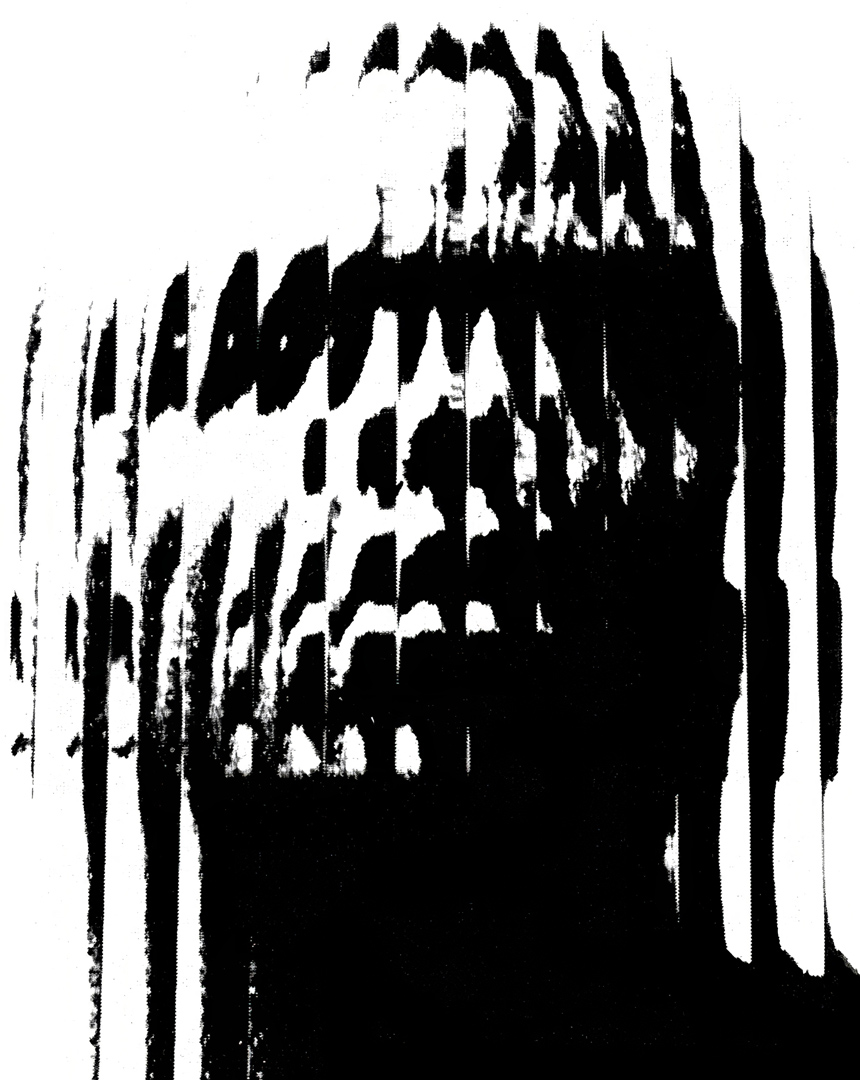
Subpercezione
SUBPERCEPTION OR FLOU
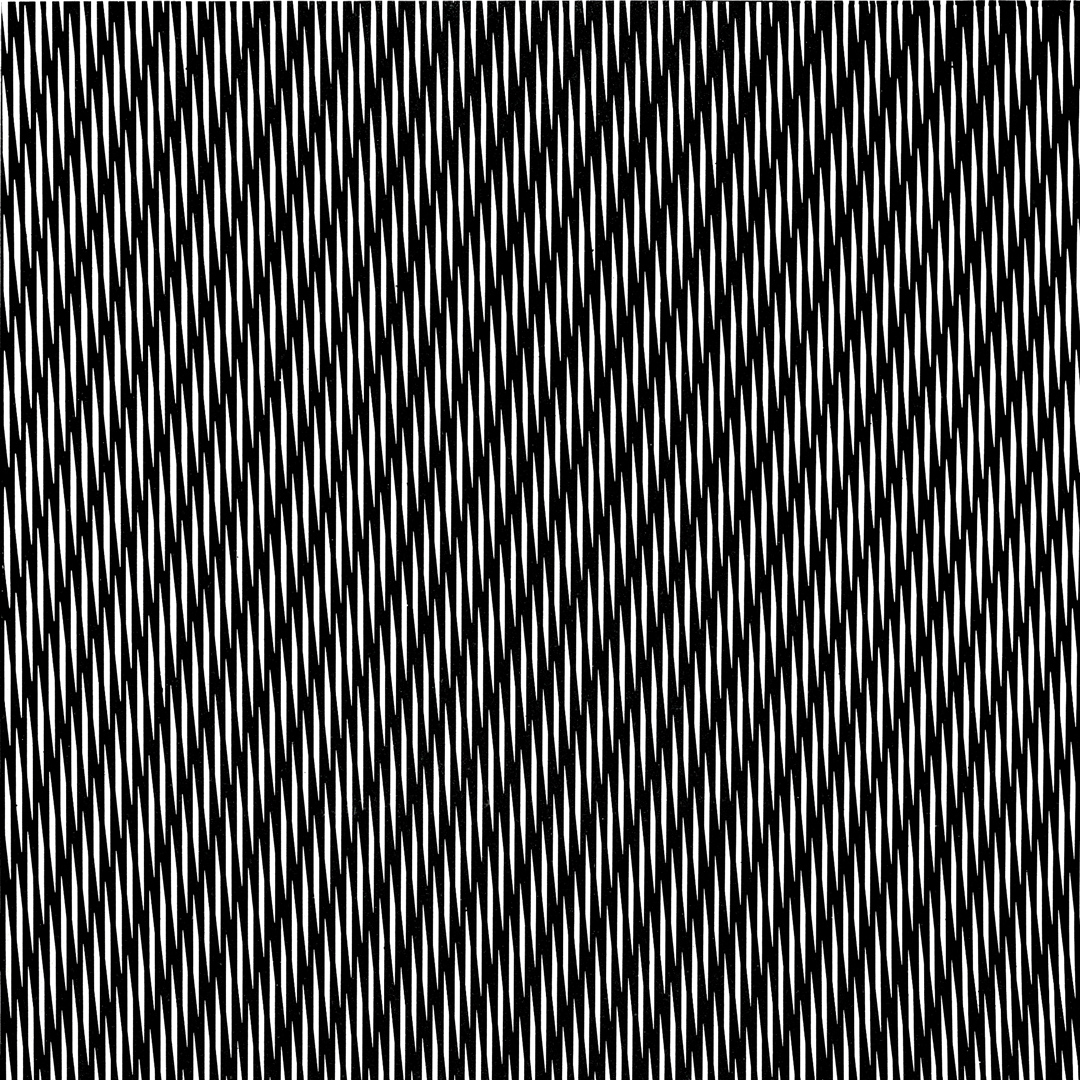
This phase represents the state below the threshold of human visual awareness. It is the initial “instinctive assessment” involved in forming a judgment about signs.
Here, the artist investigates the mechanism of the human eye in order to apply that same visual mechanics to the analysis of signs. He discovers that all signs or tangents coinciding with the eye’s internal structure are instantly brought into focus, whereas structures positioned at a 90-degree angle are nearly filtered out. Consequently, we immediately perceive the signs running parallel to the structural alignment of each individual eye.
When we are able to state—within a minimal fraction of a second—”this is structure X”, it means that structure X is defined by underlying framework Y, which, when combined with our prior experience, allows us to name it.
The duration of visual perception is variable and extended: the longer one looks, the more one perceives and analyses. Here, however, Grignani demonstrates the limits of the human eye when classifying form within a split second and through a minimal amount of sign visual data.
SUBPERCEZIONE O FLOU
Si tratta dello stadio sotto il livello dello sguardo umano. È la prima «valutazione istintiva» di un giudizio su dei segni.
Qui l’artista studia il meccanismo dell’occhio umano per poter rapportare all’analisi dei segni la stessa meccanica. Egli trova che tutti i segni o le tangenti che coincidono con la struttura dell’occhio sono subitamente messe a fuoco, mentre tutte le altre strutture che sono disposte a 90 gradi vengono quasi eliminate. Allora vi vediamo subito i segni paralleli alle strutture di ogni singolo occhio.
Quando noi possiamo dire (in una minima frazione di tempo): questa è la struttura X, significa che la struttura X è determinata dallo scheletro Y che, sommandosi alla propria esperienza, lo denomina.
Il tempo della visione è un tempo variabile e lungo: più a lungo si guarda più si percepisce, più si analizza. Qui invece viene dimostrato il limite dell’occhio quando classifica in una piccola frazione di tempo e con un minimo di segno.
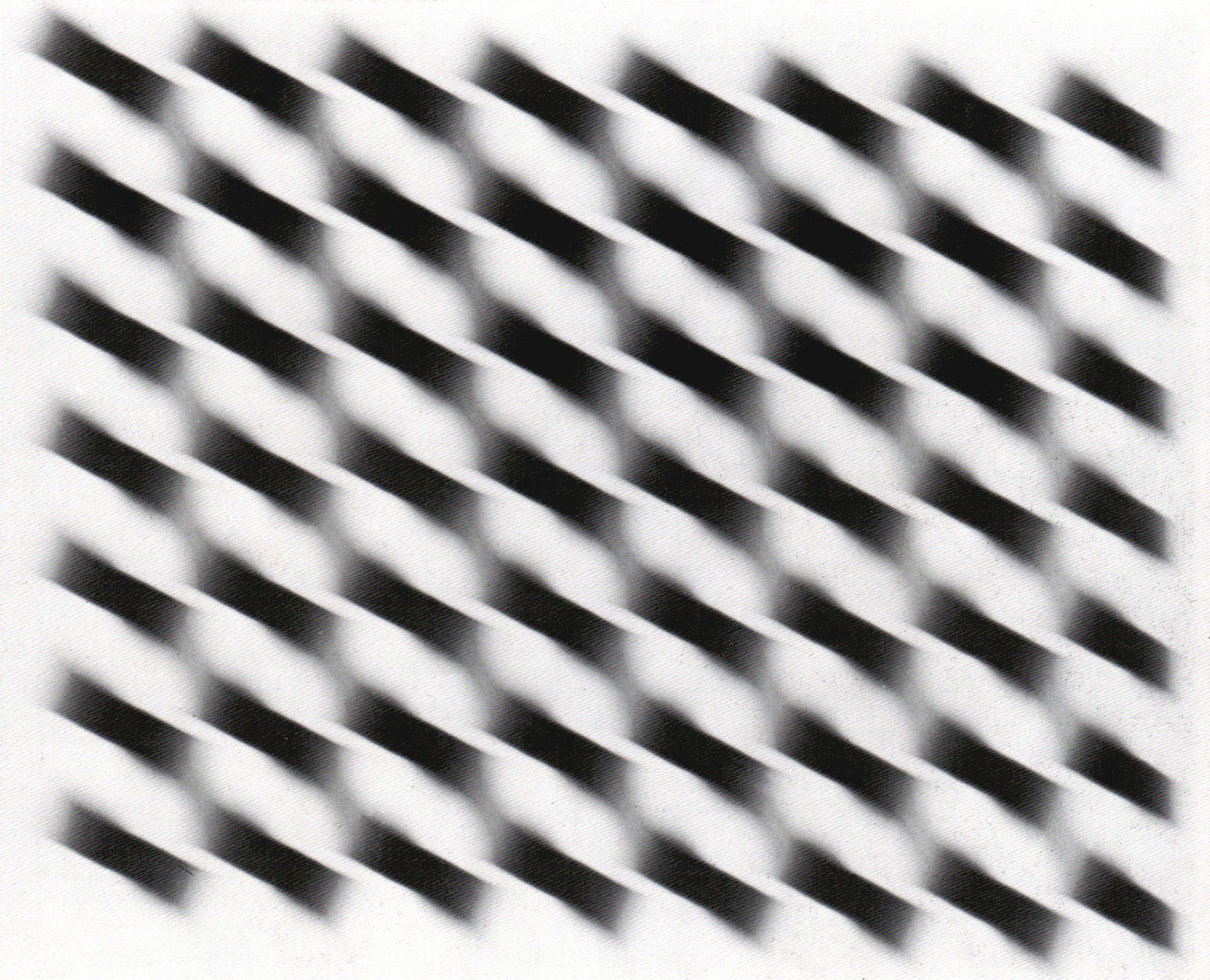
Interferenze
VISUAL ALTERATION
Throughout our lives, we constantly experience the world through scrims, glass, and interferences. We continuously perceive and gather a reality that is both conditioned and conditioning. Glass walls and visual interferences have multiplied with the spatial solutions of modern architecture, which is rich in conditioned environments.
In this way, we encounter a new reality—new because it is “filtered”—which, running counter to the natural mechanics of the eye’s crystalline lens, challenges us to consider a way of seeing that transcends the purely anatomical laws of sight.
ALTERAZIONE VISIVA
Continuamente, nella vita, passiamo attraverso velari, vetri, interferenze. Continuamente percepiamo e raccogliamo un mondo condizionato e condizionante. Le pareti vetrose e le interferenze si sono moltiplicate con le soluzioni adottate dall’architettura moderna, ricca di spazi condizionati.
In questo modo noi conosciamo una nuova realtà, nuova perché «filtrata» la quale, essendo contro la legge del cristallino dell’occhio, ci propone una considerazione del vedere diverso dalle leggi anatomiche dell’occhio.
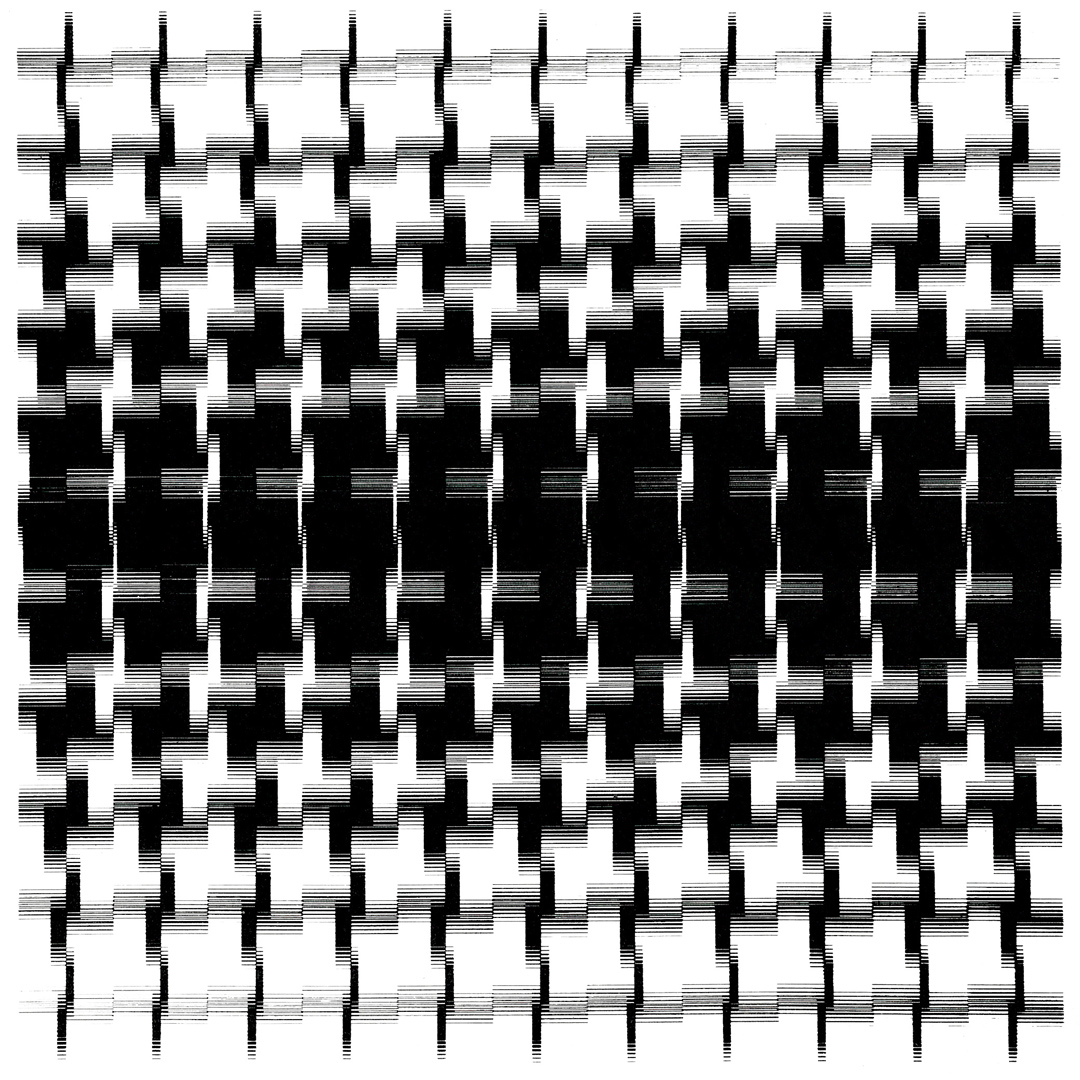
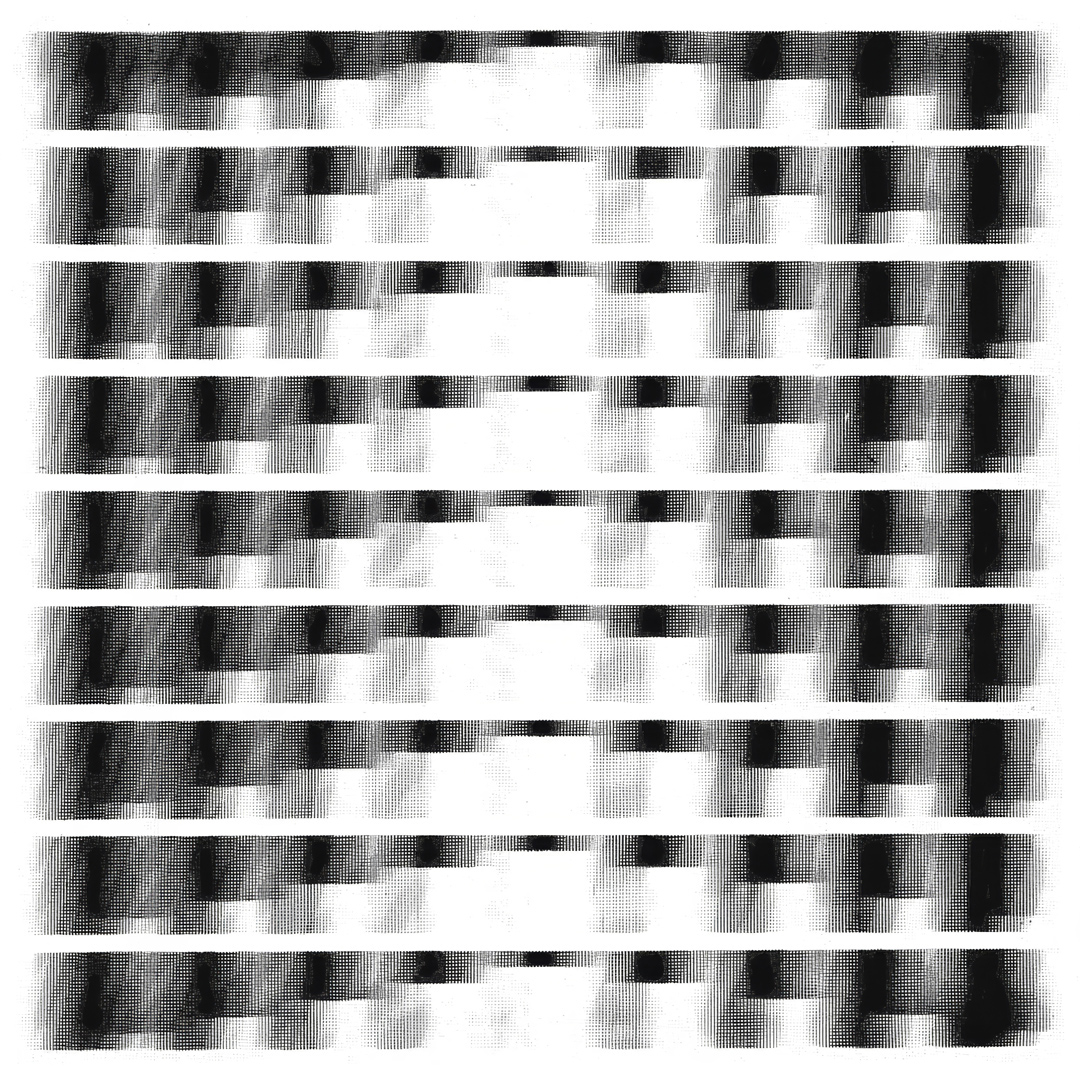
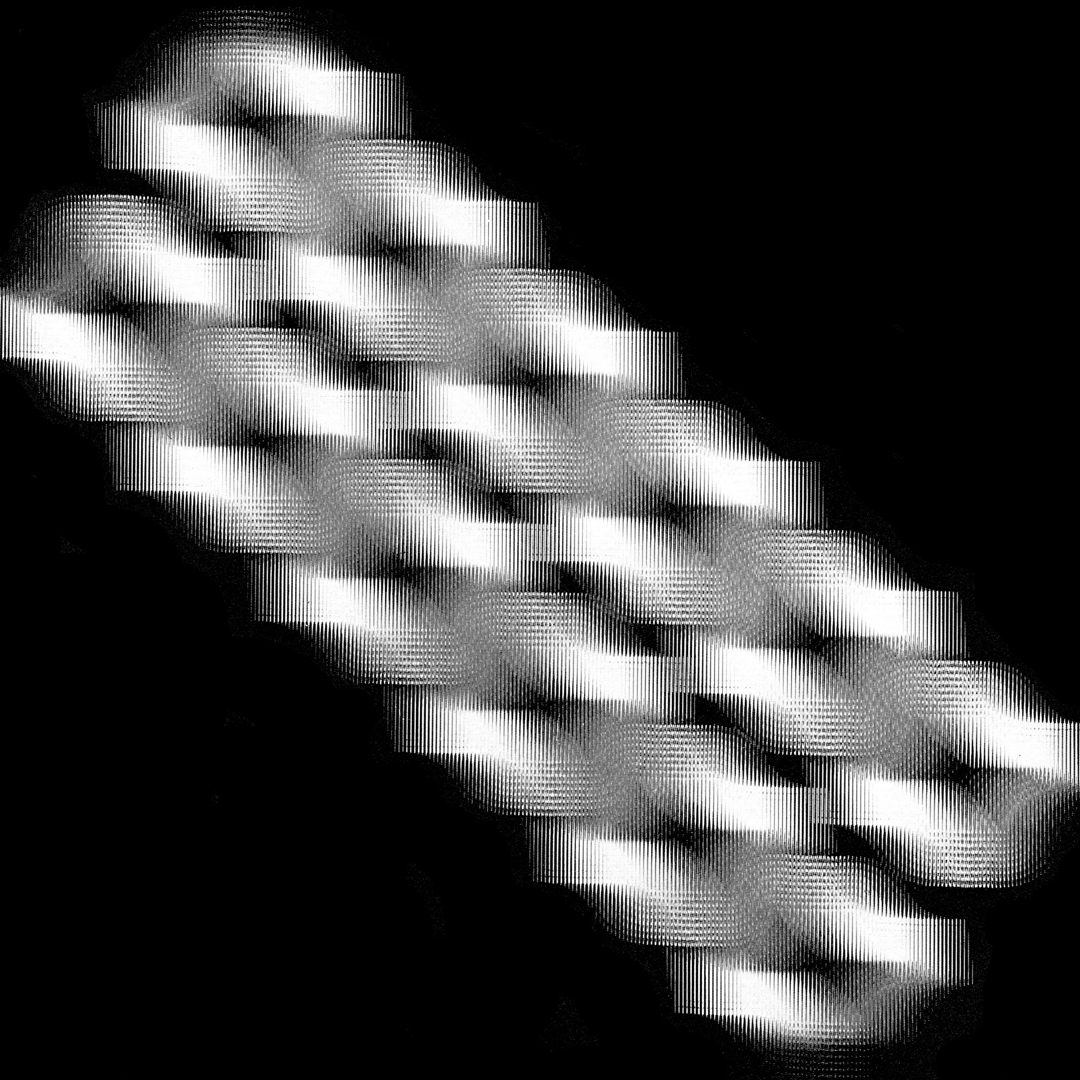
Distorsione
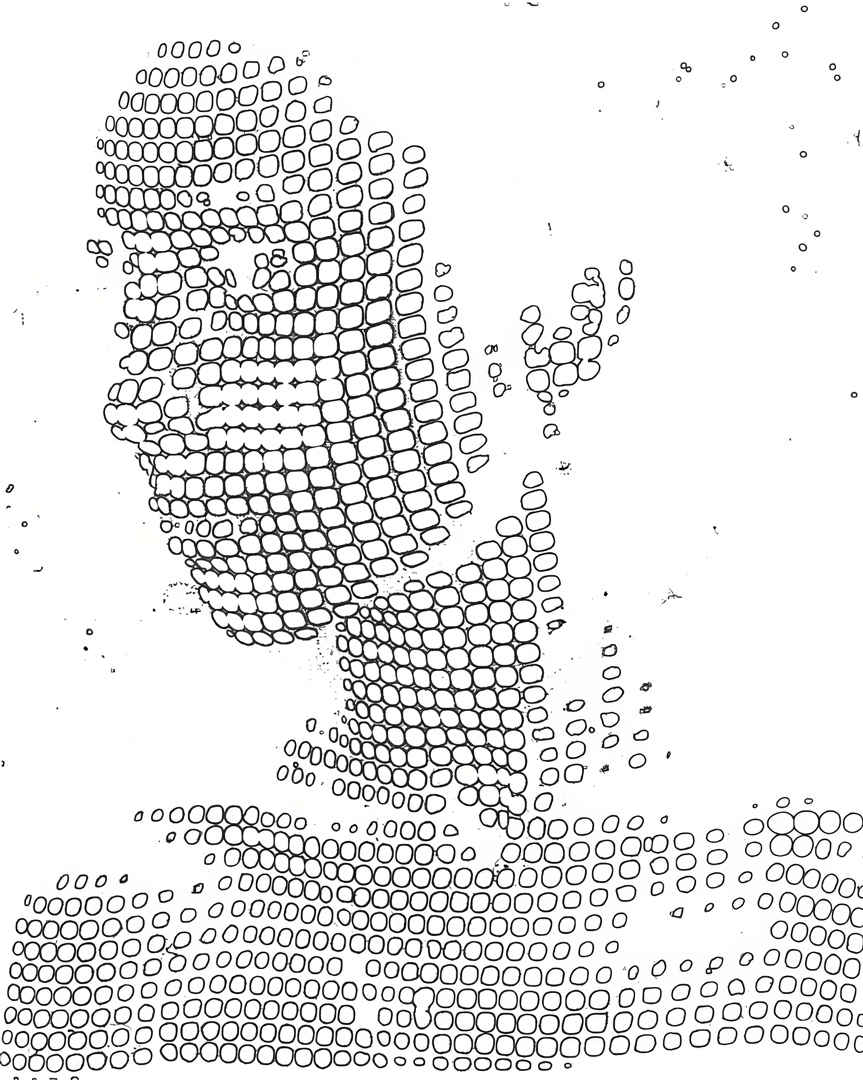
DISTORTION
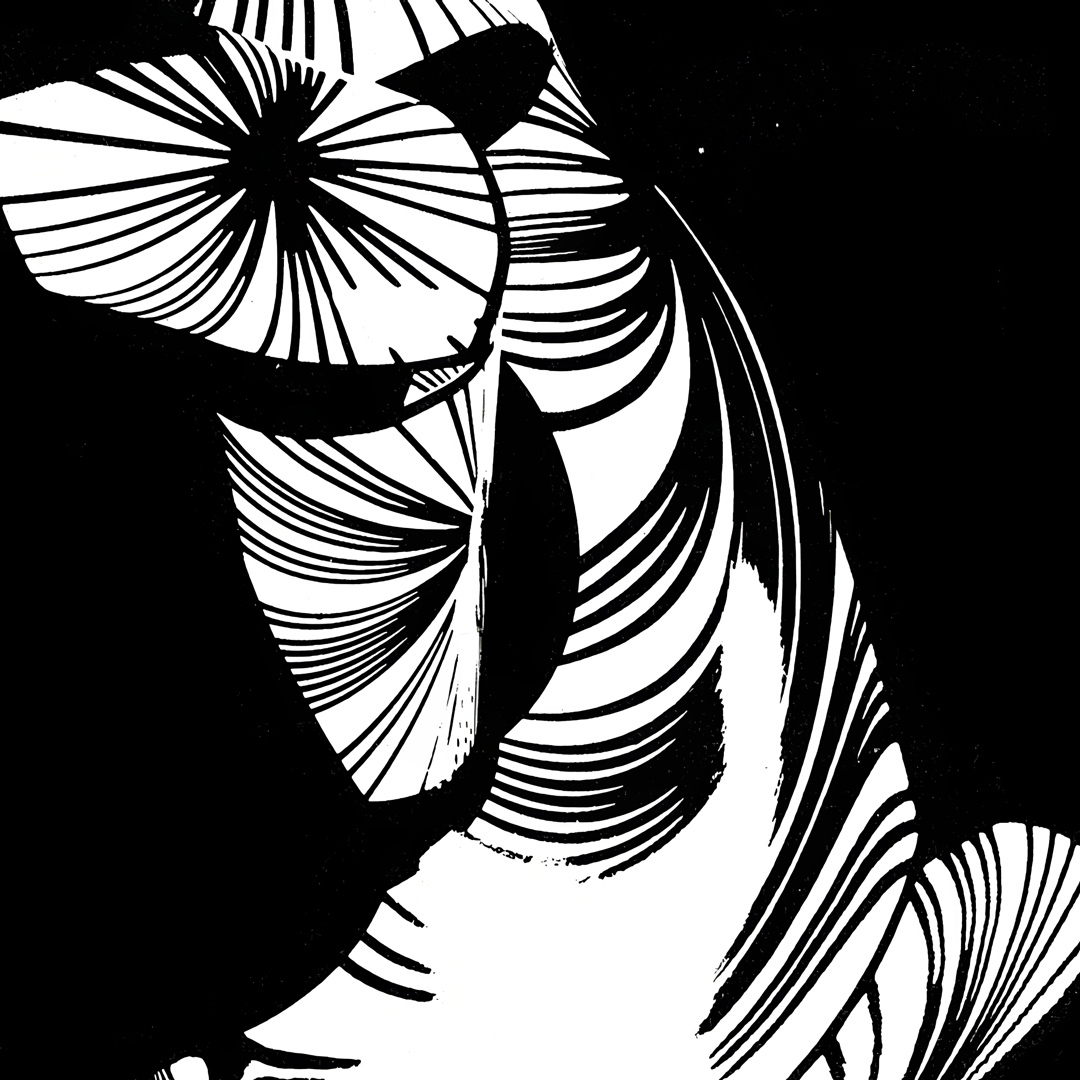
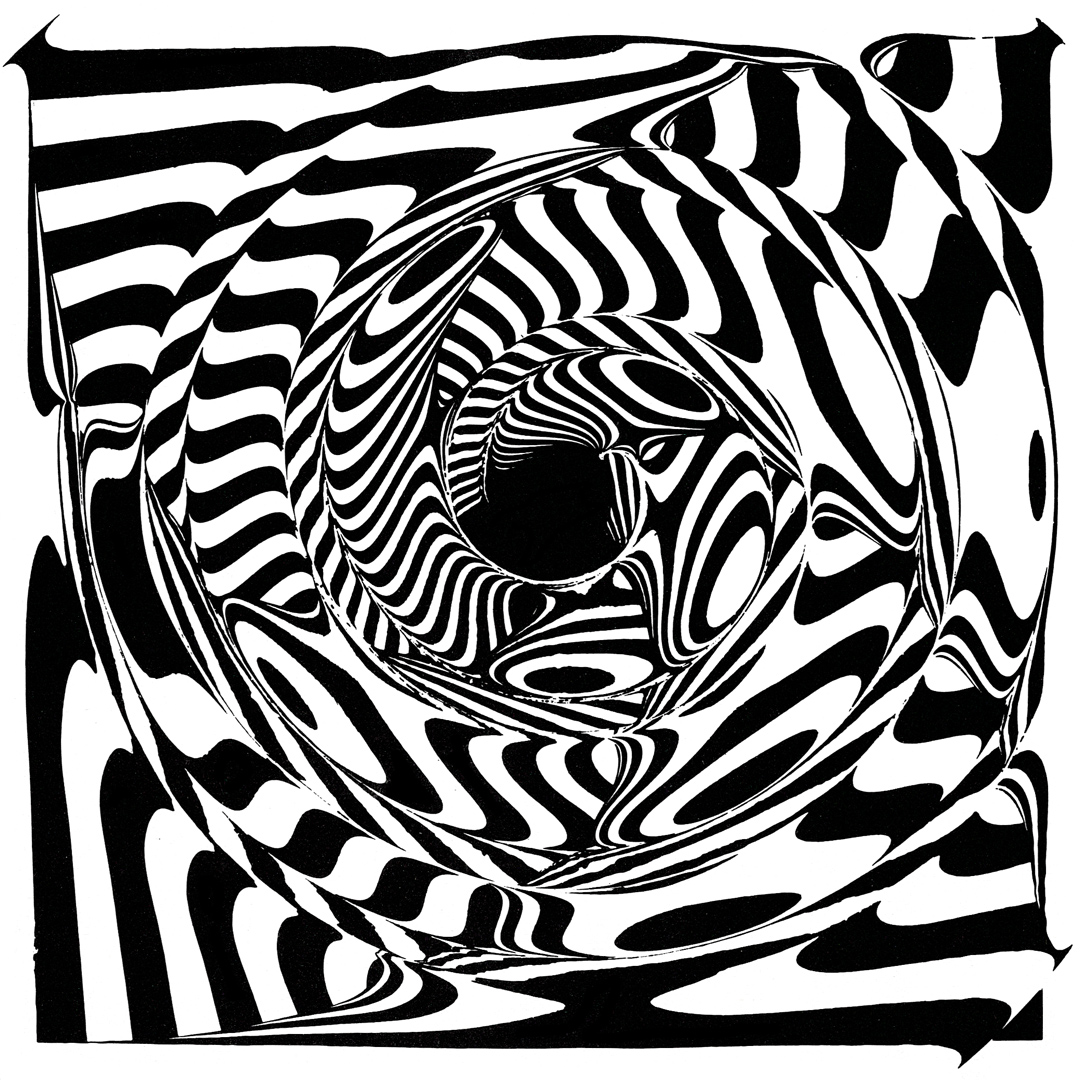
Everything surrounding us forms a second world reflected upon glossy, mirrored, distorted, and lacquered surfaces. Yet these surfaces, focal points, lenses, portholes, mirrors, and stainless steels adhere strictly to the optical laws of focus, distance, concavity, and convexity.
By engaging with these surfaces, we retrieve a world of hyperboles—multiplied and altered. Through this series of phenomena, by interpreting signs and deformations, we can extrapolate the precise laws that dictate forms in their states of tension.
DISTORSIONE
Tutto ciò che ci circonda è un secondo mondo che si riflette su superfici lucide, specchiate, distorte, superfici verniciate. Però le superfici, i fuochi, le lenti, gli oblò, gli specchi, gli acciai ecc. hanno una legge ottica del fuoco e della distanza, del concavo e del convesso.
In questo senso noi recuperiamo un mondo d’iperbole, moltiplicato e alterato, e attraverso la serie di questi fenomeni, leggendo i segni e le deformazioni, potremo ricavare le leggi che determinano le forme nei loro aspetti di tensione.
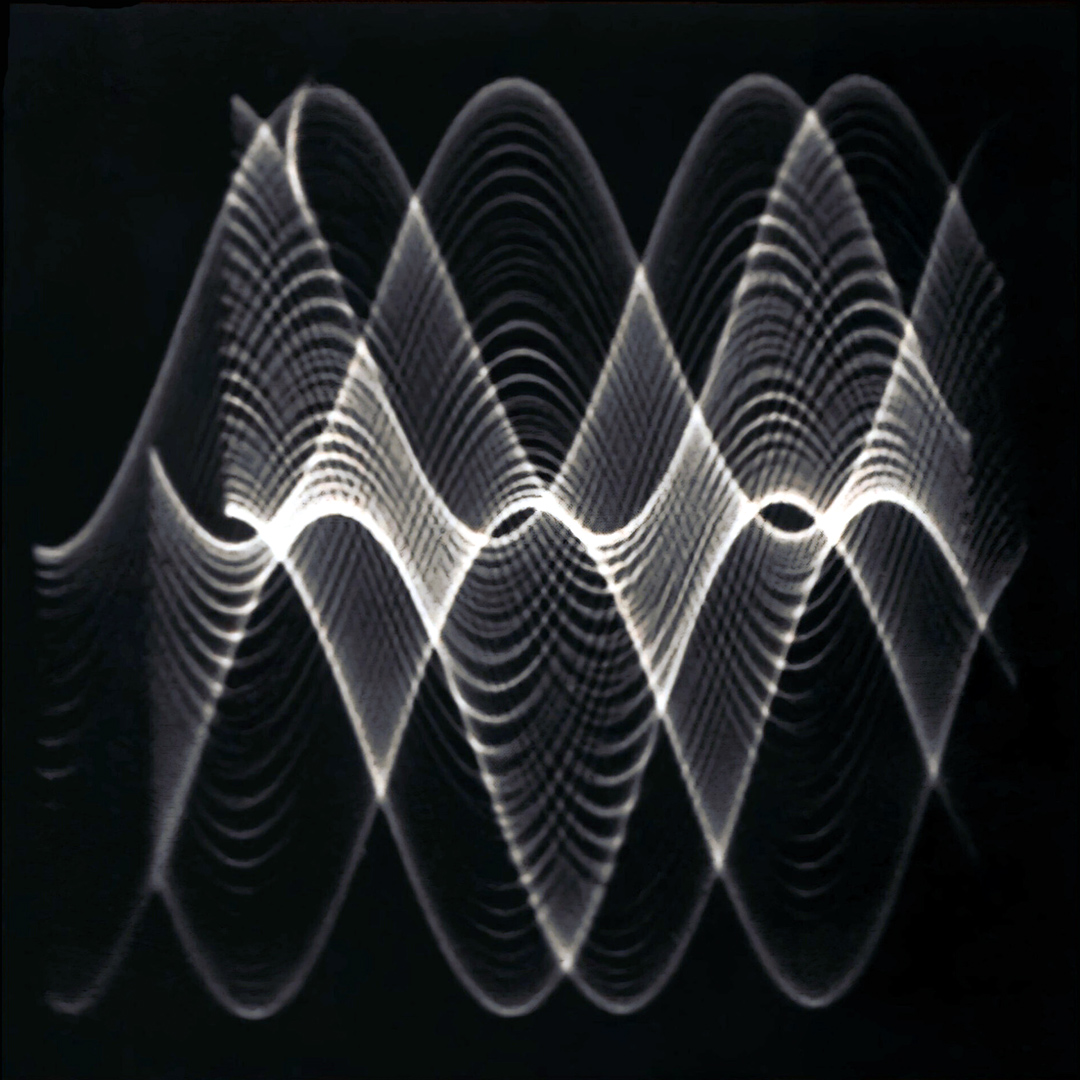
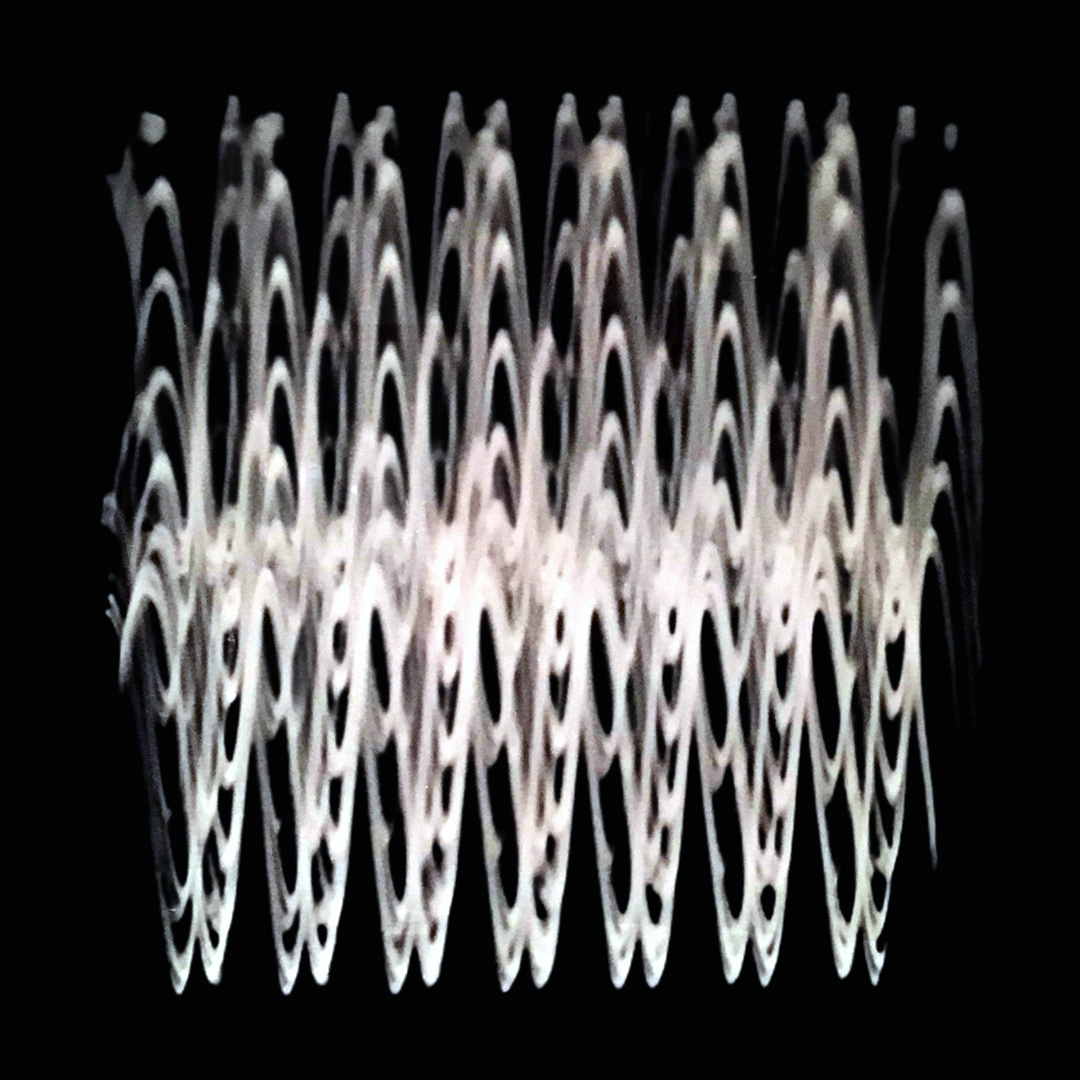
Grafica trovata (FOUND GRAPHICS)
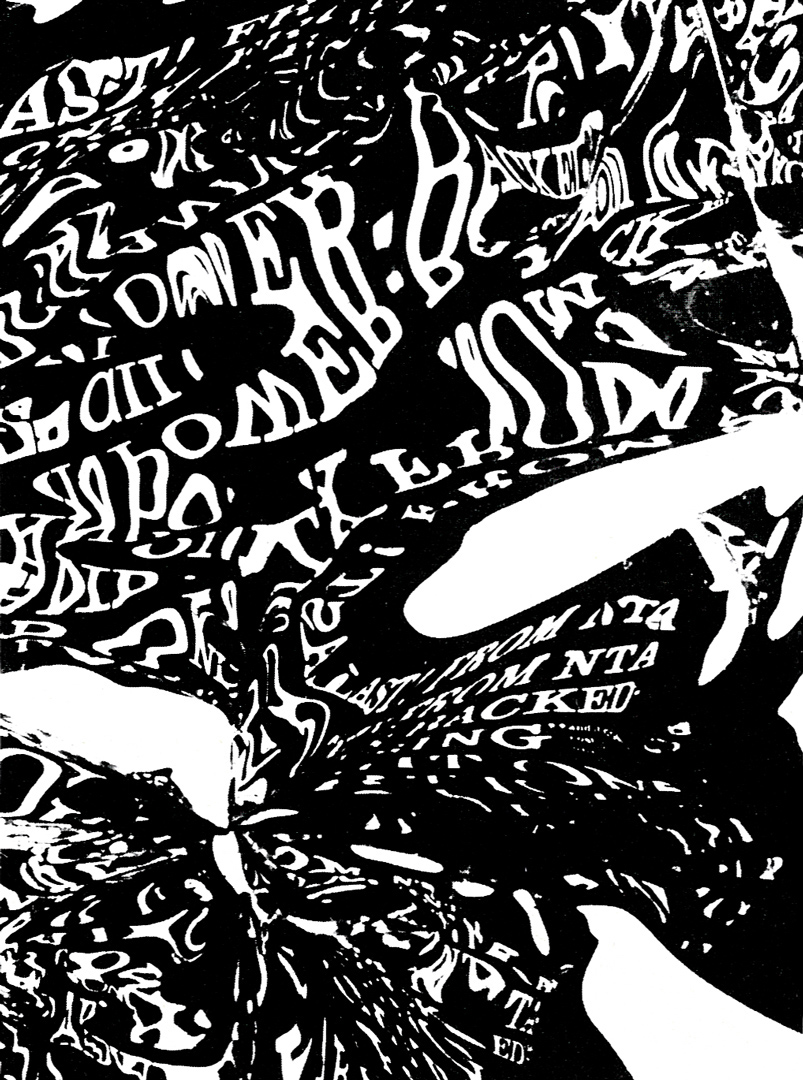
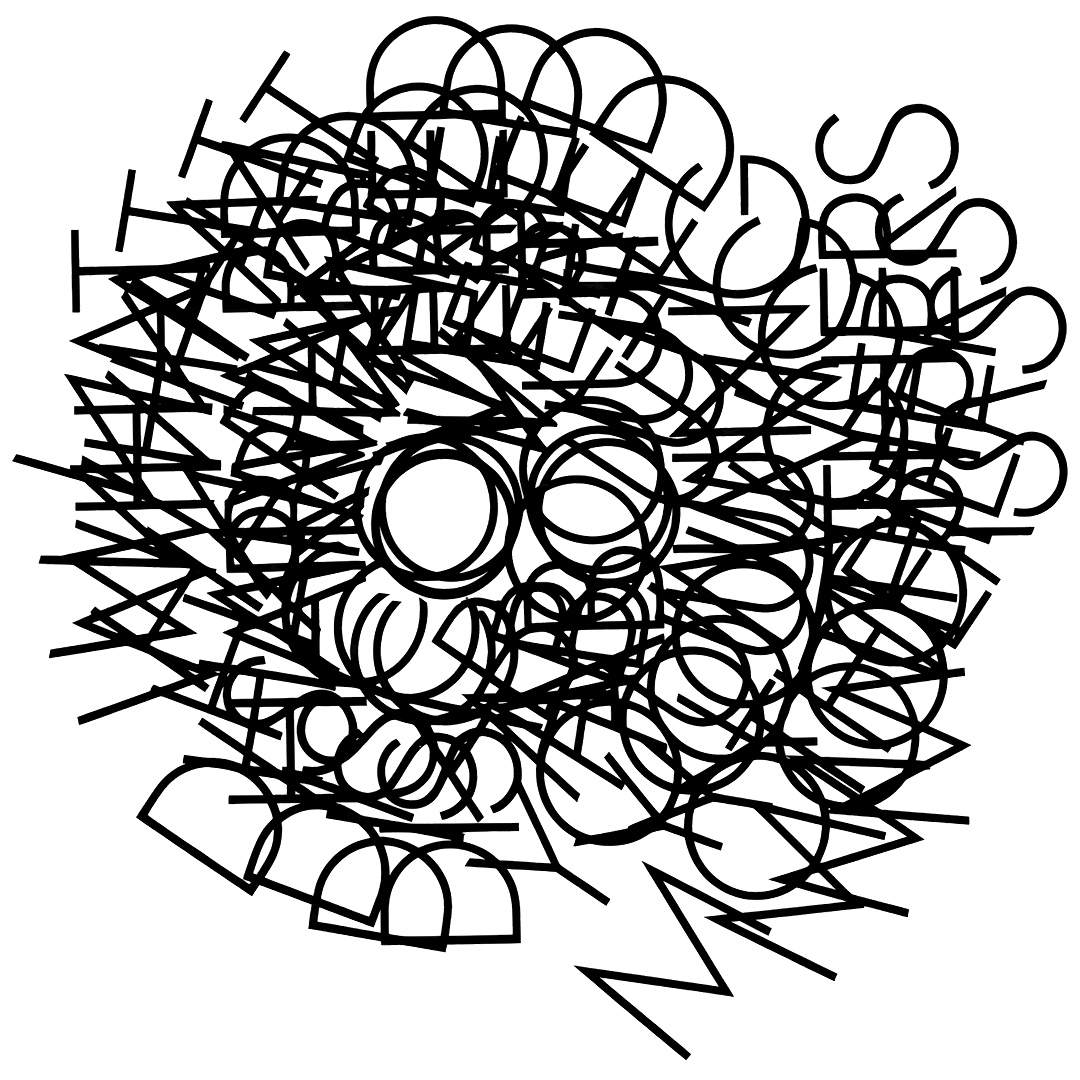
Lettering

Tecniche ottiche (OPTICAL TECHNIQUES)
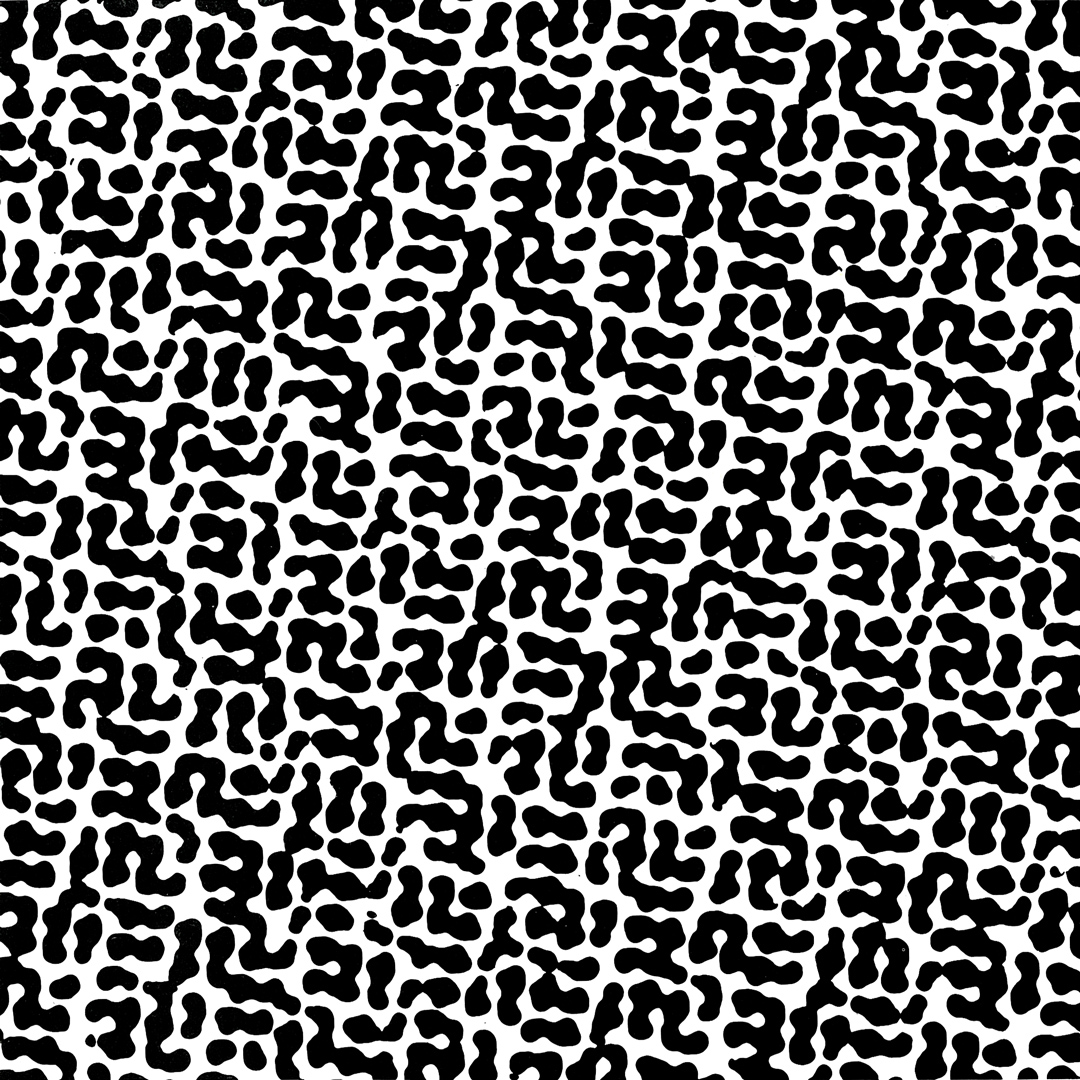
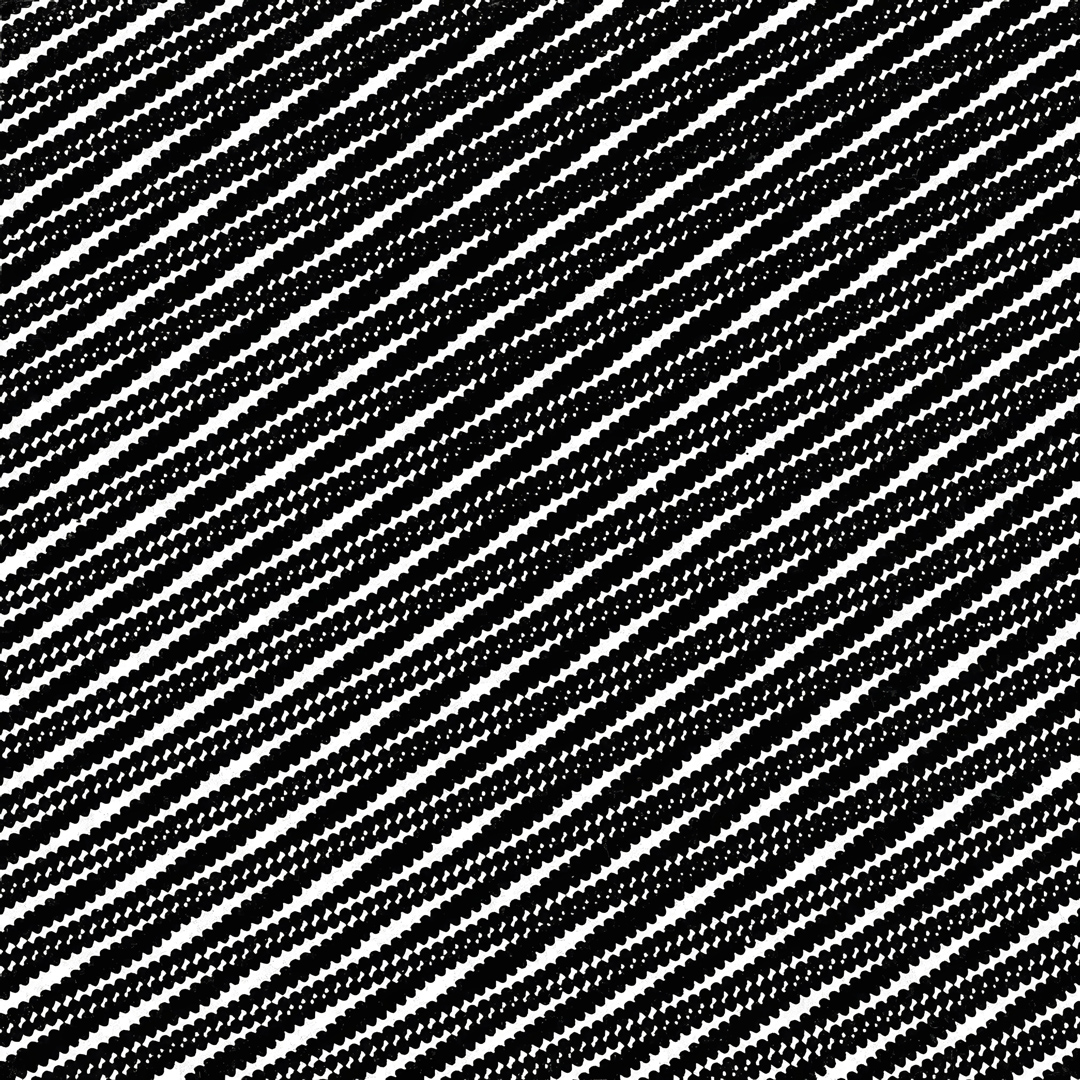
Moiré
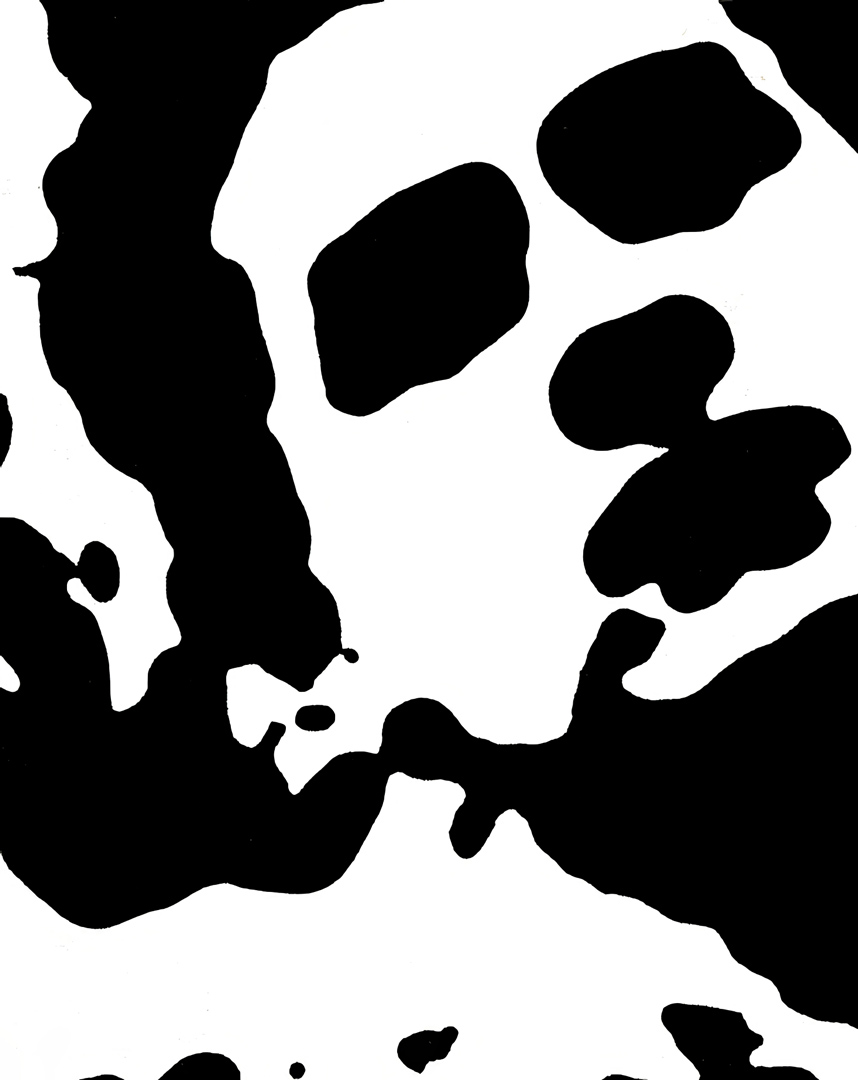
MOIRÉ
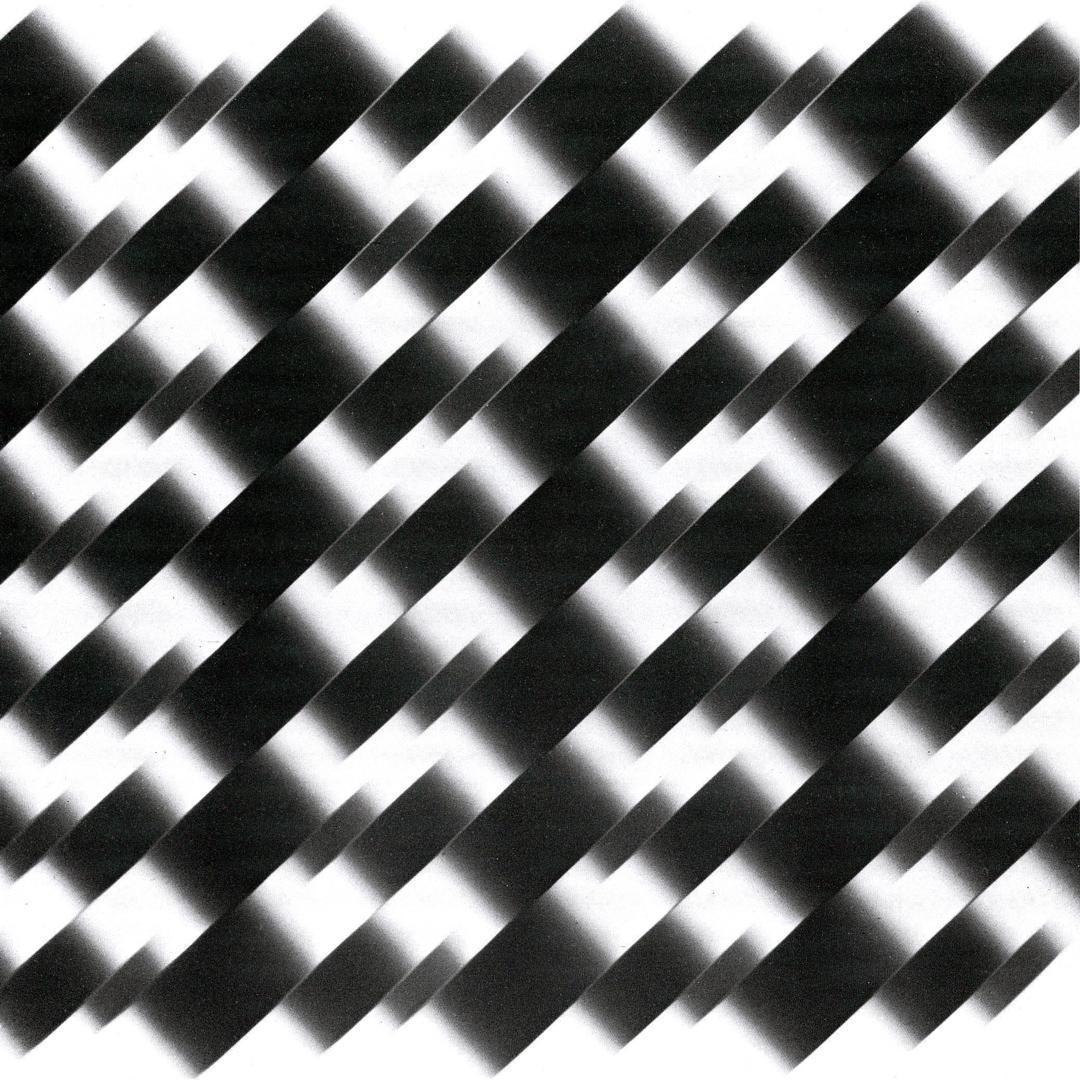
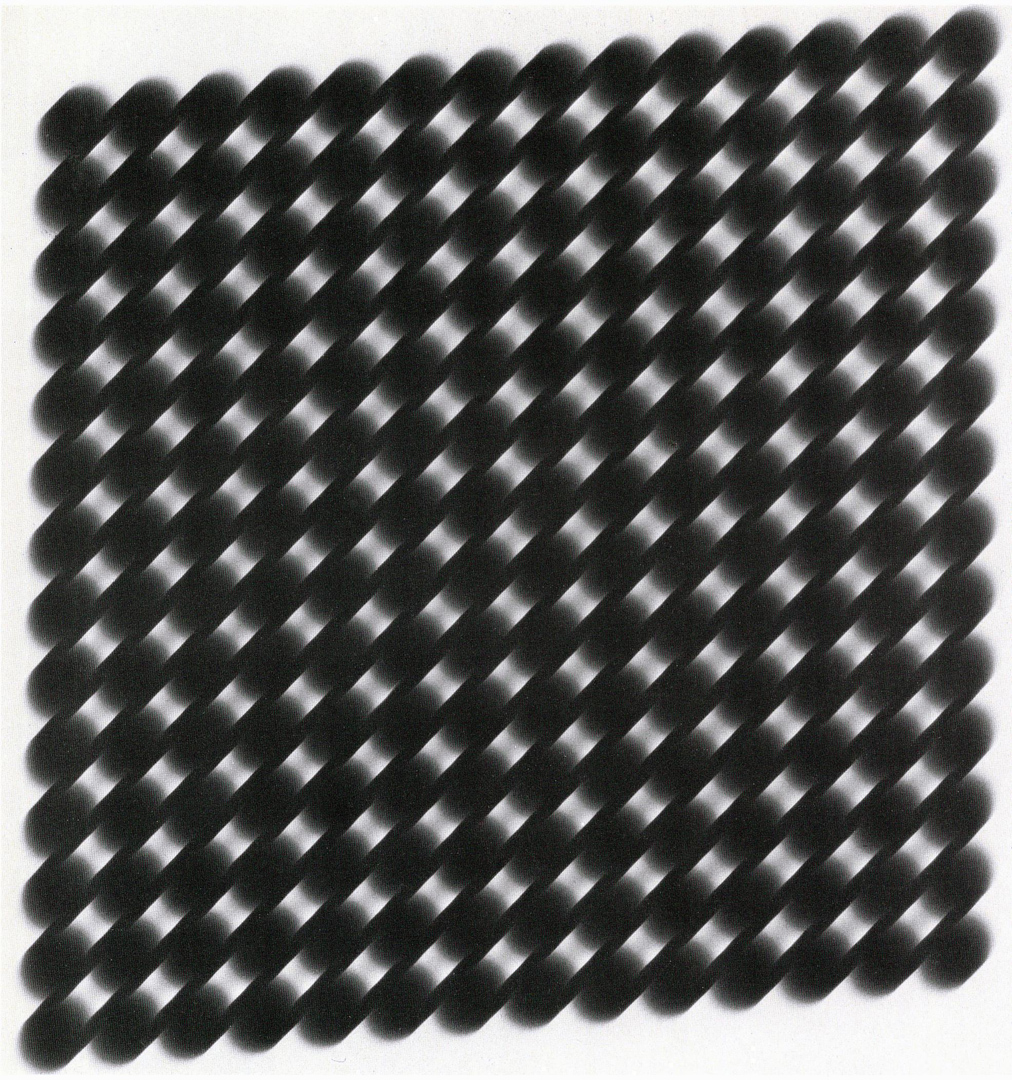
This phase involves two or more structures that, when overlaid, shifted, and interacted with light, generate an entirely new structure—one that acts as the negative of the sum of the preceding ones.
While many artists have experimented with moiré effects using standard halftone screens (such as those used in photoengraving), Grignani instead hand-drew his own structures and counter-structures. Rather than extracting a simple negative, he skillfully manipulated light to derive a new, overflowing, and invasive structure. The result is a more expressive and richly organised form that, much like a musical composition, expands the mark into entirely new structural possibilities.
MOIRE’
Sono due o più strutture le quali, accoppiate e spostate — e con l’uso della luce — danno una nuova struttura, che è il negativo della somma delle precedenti.
Molti hanno provato il moiré con i soliti retini (vedi la riproduzione con cliché grafico): Grignani ha invece disegnato le sue strutture e le sue contro strutture e non ha voluto ricavare il negativo bensì, usando con abilità la luce, ha ricavato un’altra struttura debordante e invadente, producendo una nuova struttura più significativa e più strutturata e, quindi, musicalmente, conducendo il segno ad una nuova possibilità strutturale.
Induzione/Reticolari (INDUCTION & GRID STRUCTURES)
Variabilità lineare (LINEAR VARIABILITY)
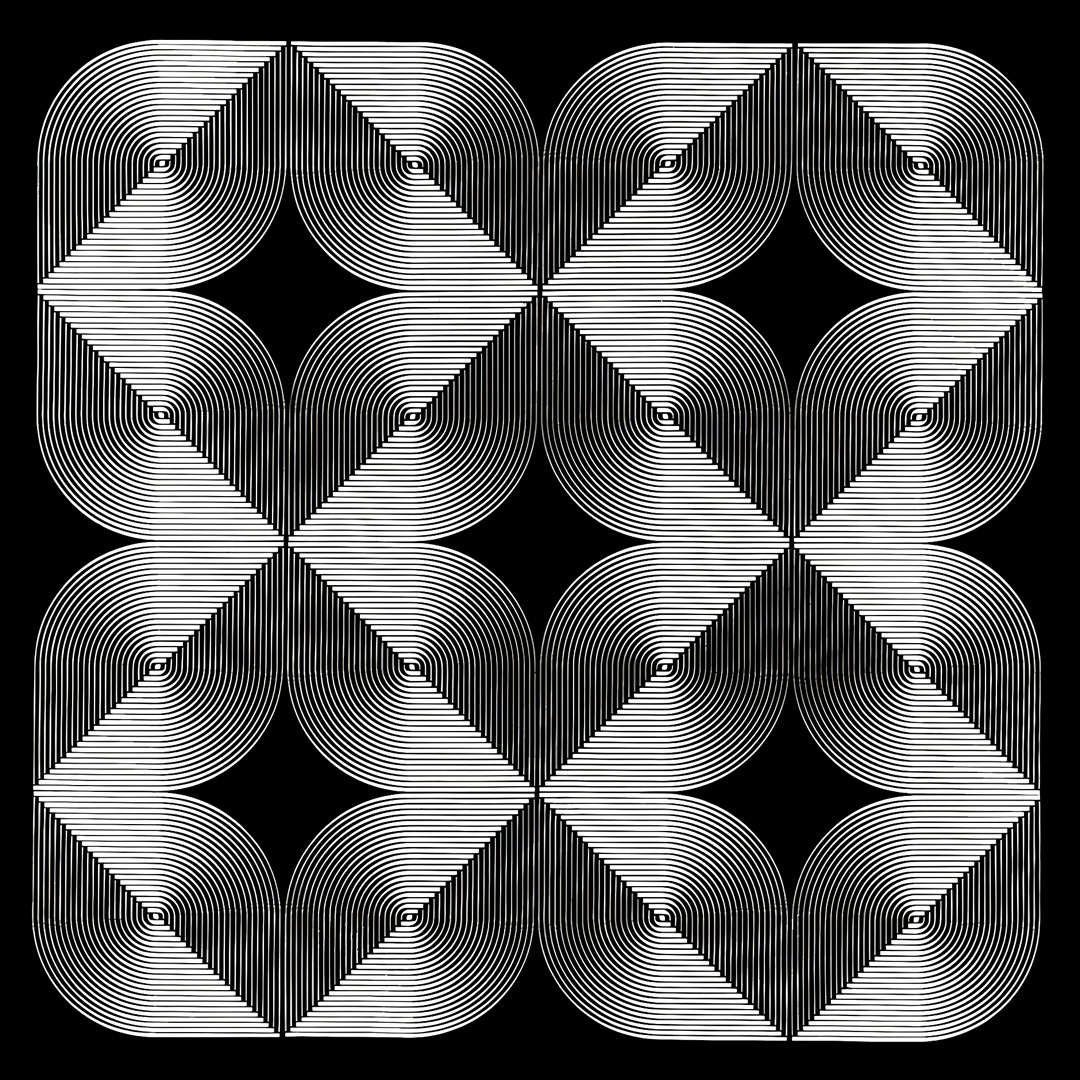
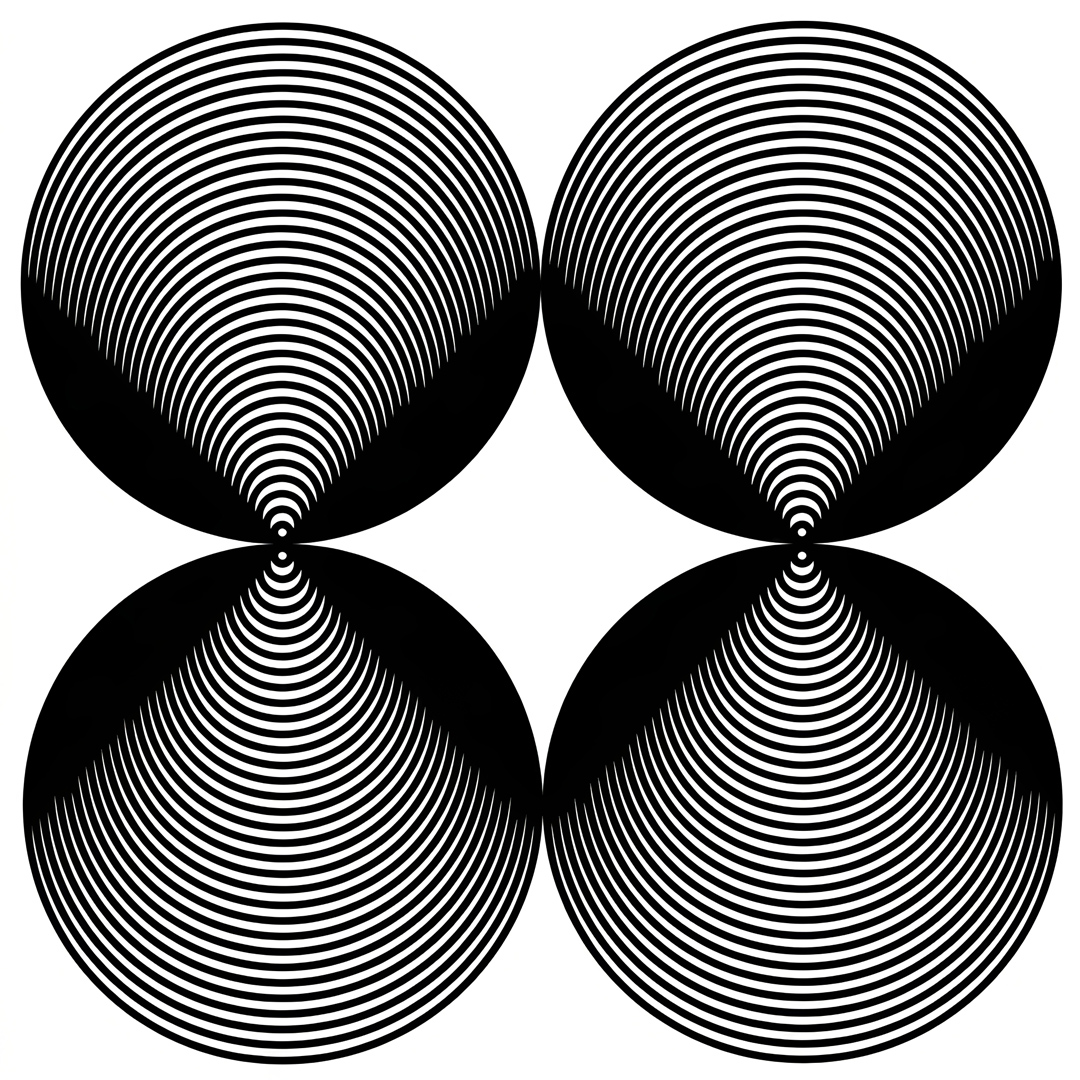
Vibrazioni
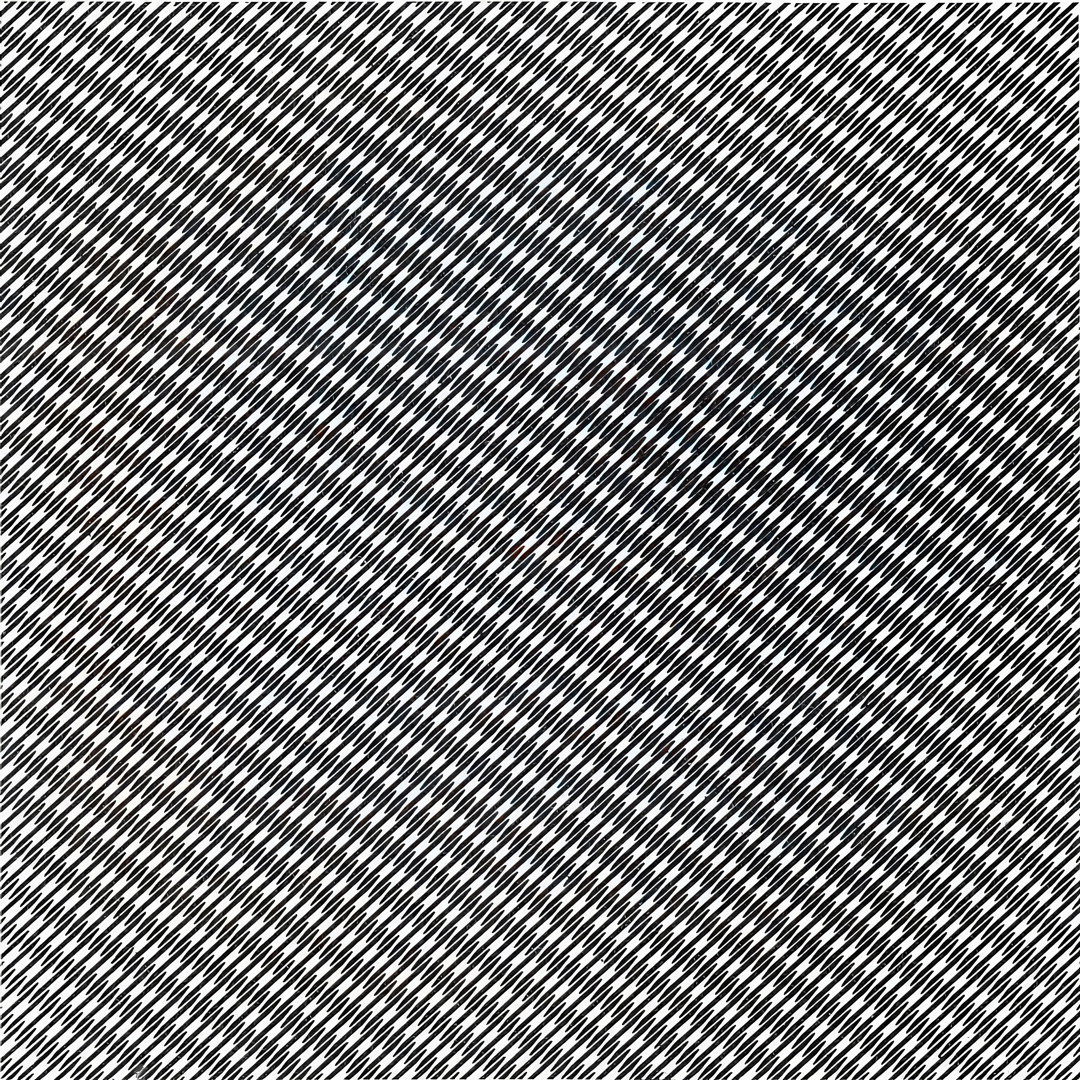
VIBRATIONS
These emerge from shadow into light. Through their emergence as marks and their gradual progression, they guide the eye toward perceiving a phenomenal event.
They are almost calligraphic, variable lines that establish tactile qualities of swelling and rhythm. This is a sharp, icy, high-frequency mark—hissing in dense, tight repetition.
VIBRAZIONI
Nascono dall’ombra verso la luce. Nel loro farsi segno e nella loro gradualità accompagnano l’occhio alla percezione di un fatto fenomenico.
Sono linee quasi calligrafiche, variabili, che determinano valori plastici di gonfiature, ritmi. Si tratta di un segno sibilante, gelido, acuto, ad alta frequenza, in ripetizione fitta.

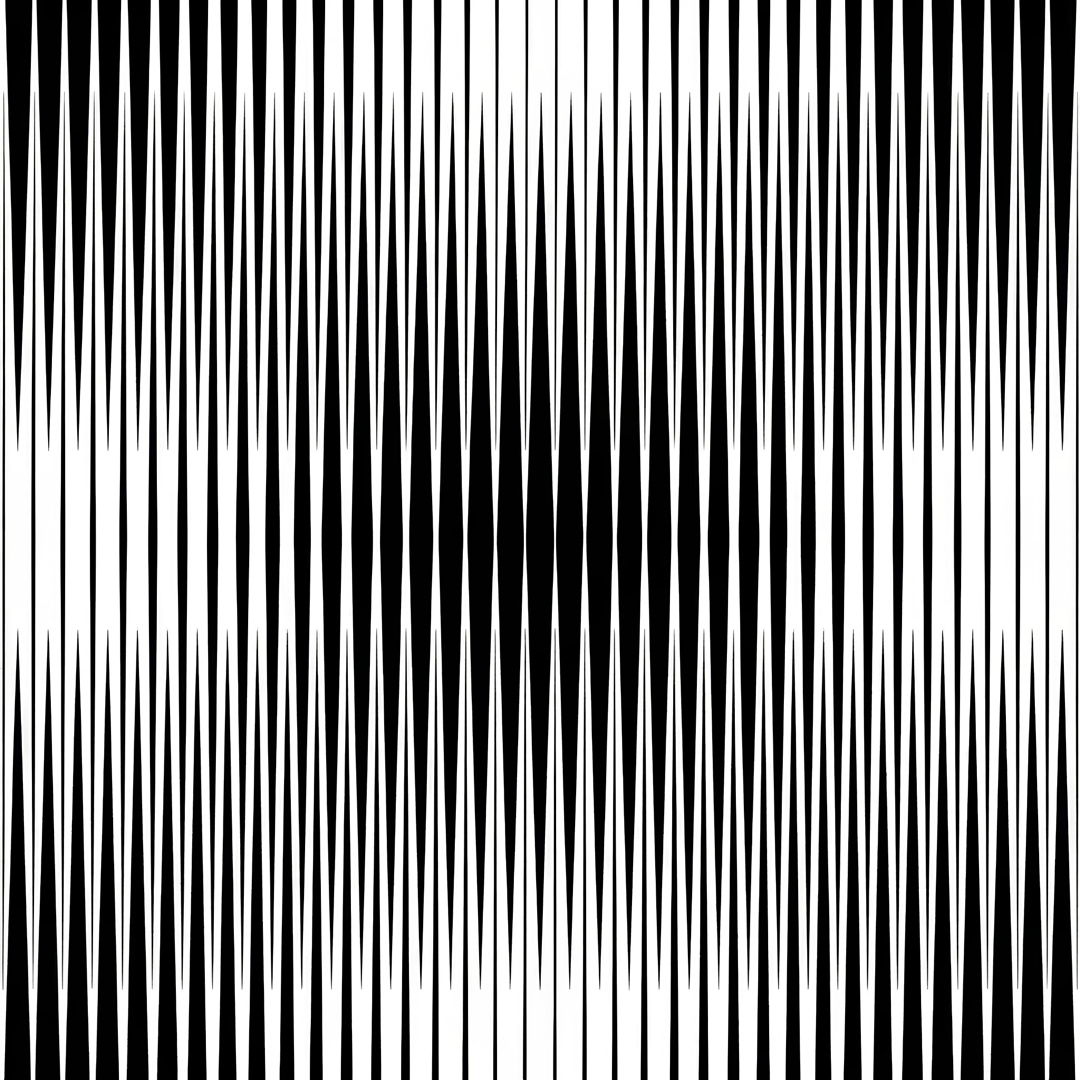
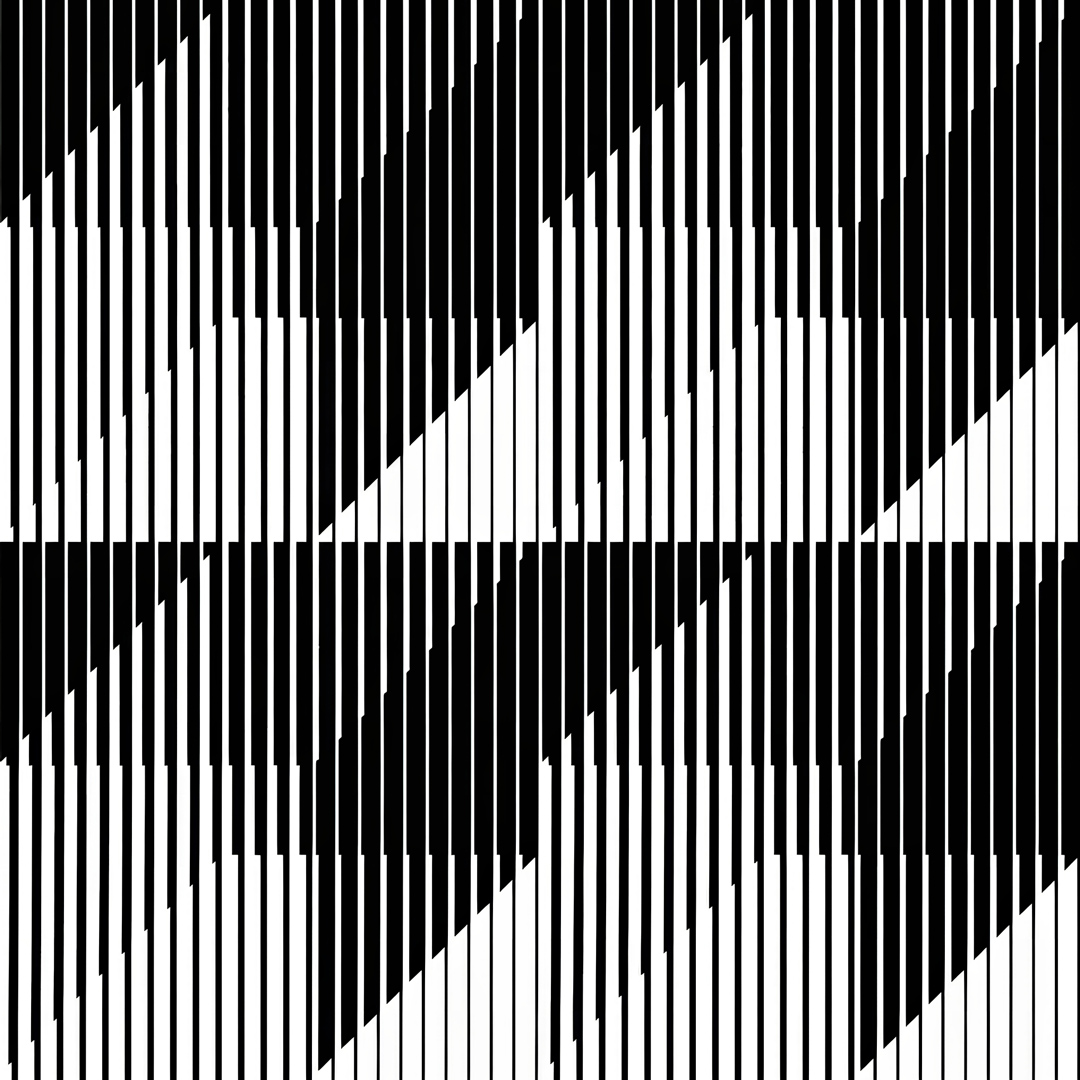
Permutazioni
PERMUTATIONS
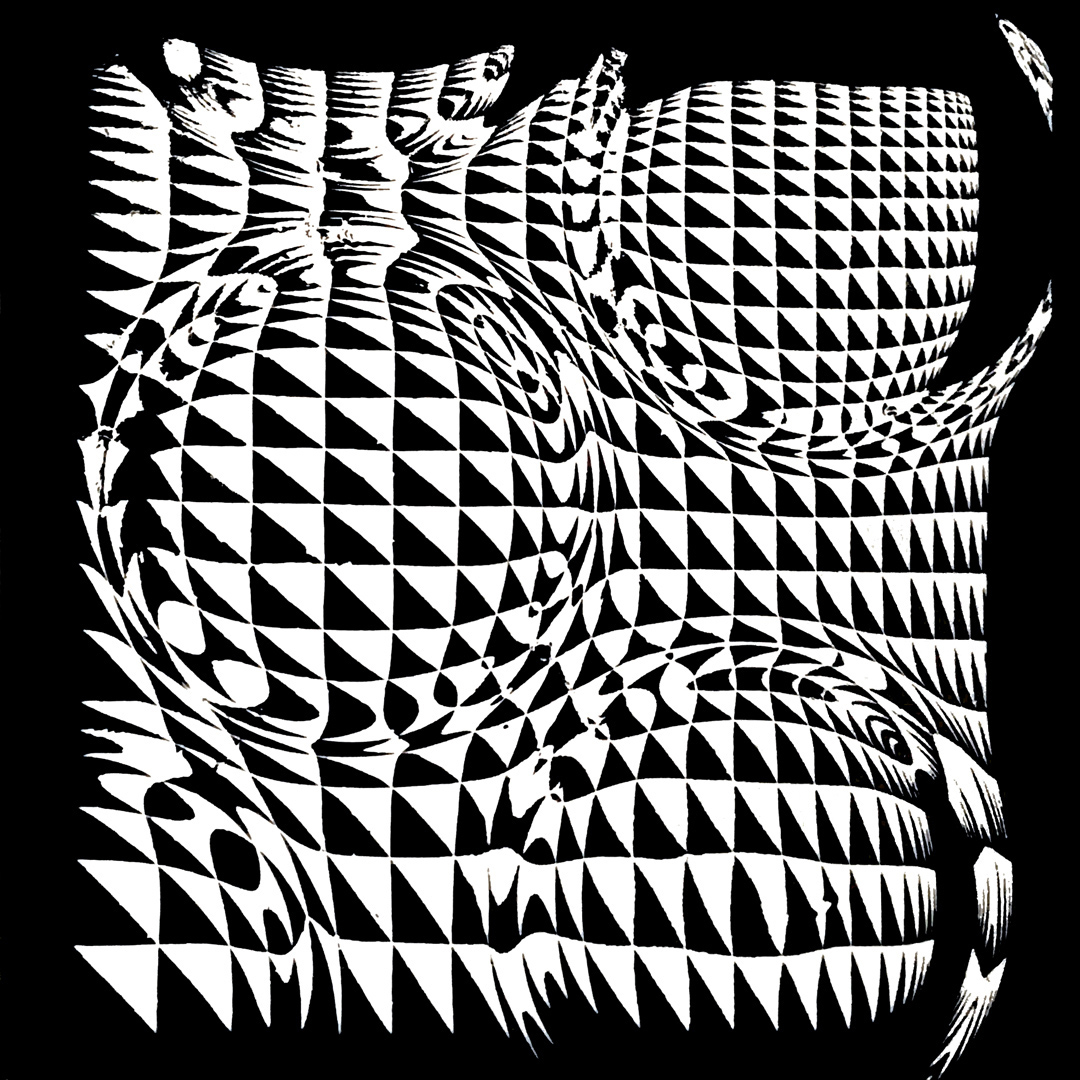
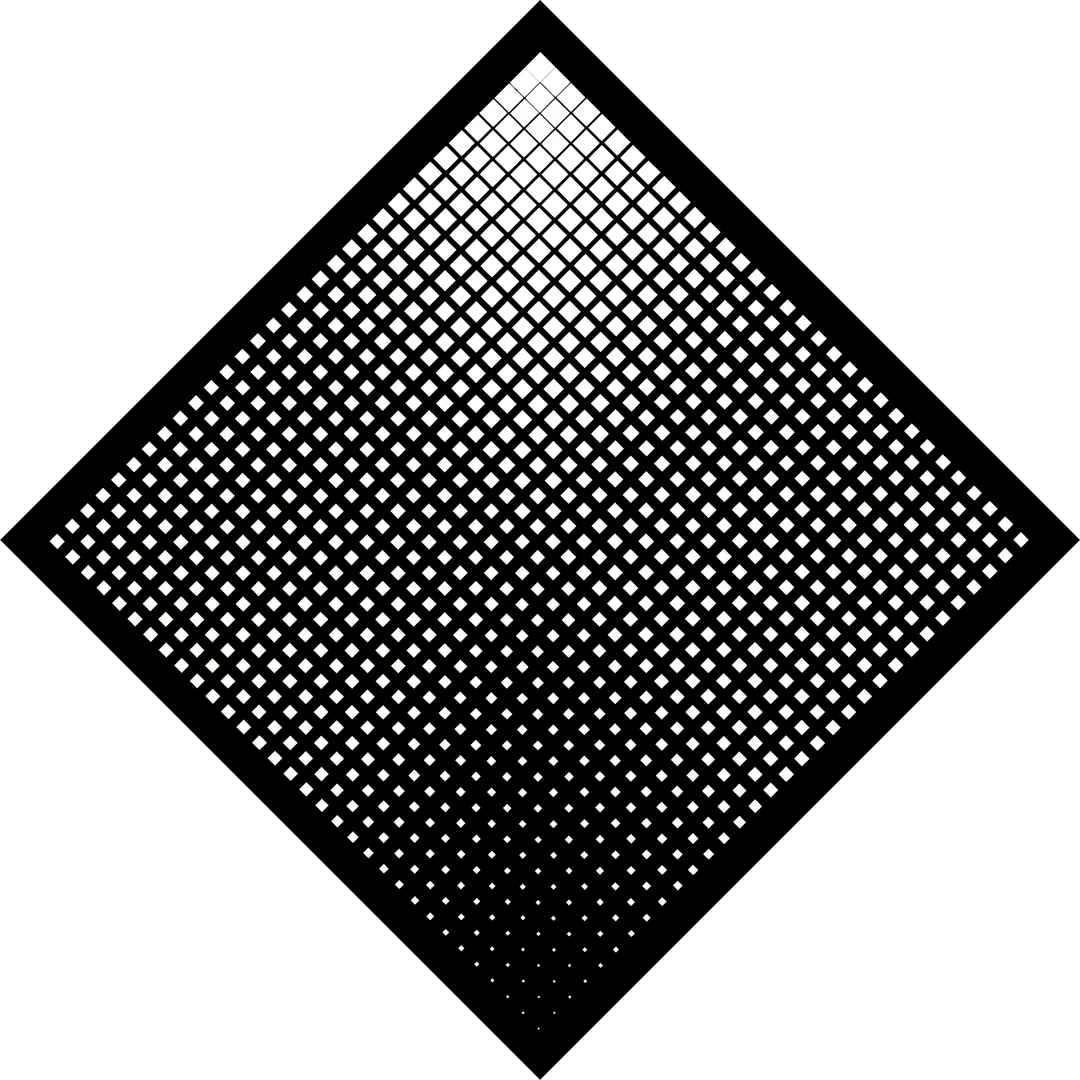
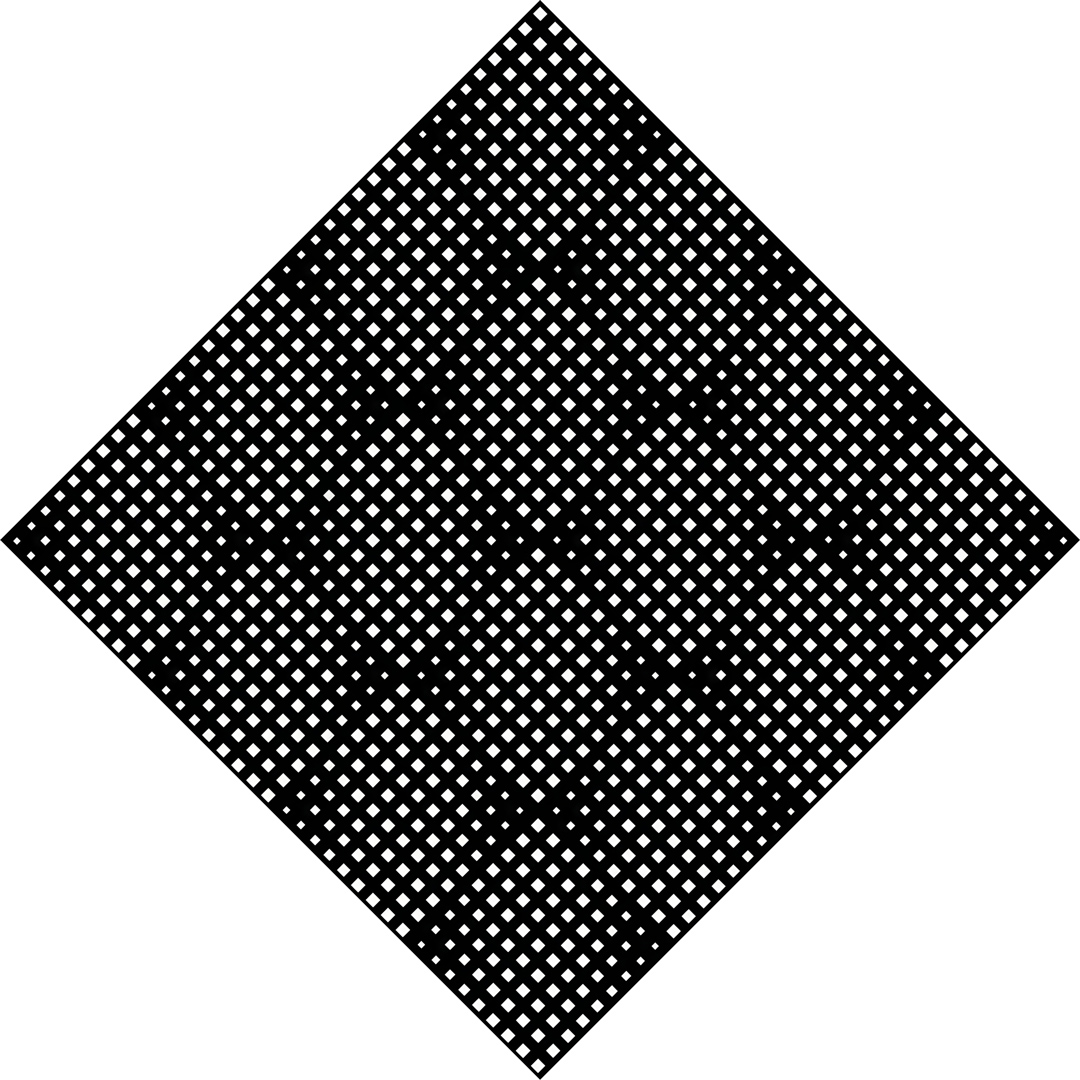
These are fields structured by mathematical grids with progressive and intersecting values. From this grid system emerges a series of marks that vary according to the state of the underlying lattice.
In this way, variations in the background interact with phenomena such as wave motion, recurring three-dimensional volumes, and the deliberate interruption of leading lines or structural forms. This is phenomenology in its purest state, where simply changing one’s viewing position reveals different forms and spatial depth.
The more the grid layout varies, the more the underlying texture changes; entering either diagonally or incrementally, it gives rise to a micro-structured, phenomenal seriality.
PERMUTAZIONI
Sono campi con reticolazione matematica a valori progressivi e incrociati. Dalla reticolazione si intesse una serialità di segni che varieranno secondo la situazione reticolare.
Si incontreranno così variazioni del fondo con fenomeni di ondulazione, di plastiche ricorrenti, di perdite di fili conduttori o forme conduttrici. È fenomenologia allo stato puro, per cui basta spostarsi per leggere forme o plastiche diverse.
Più si varia la reticolazione più varia la tessitura la quale, entrando o diagonalmente o scalarmente, porta ad una serialità fenomenica, microstrutturata.
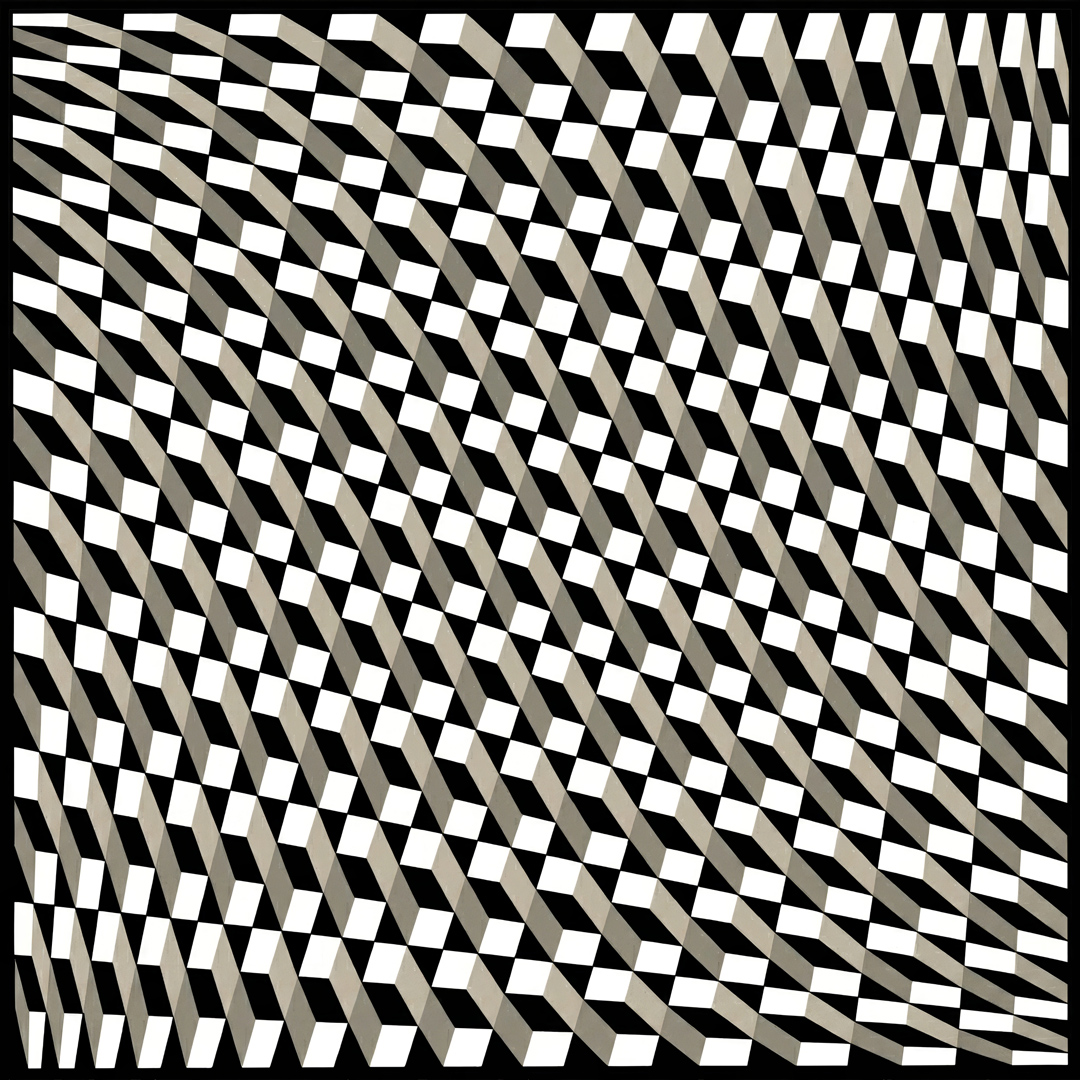
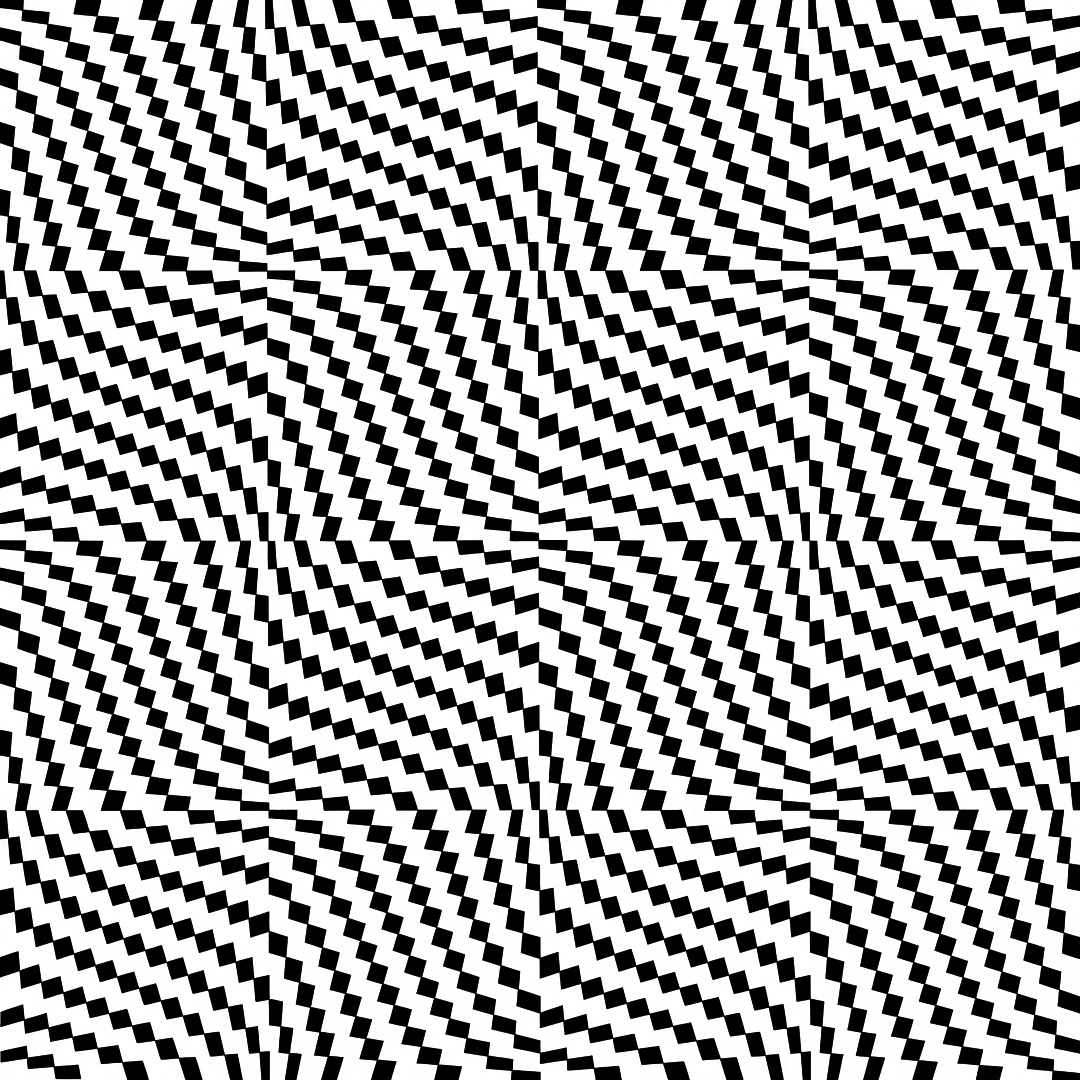
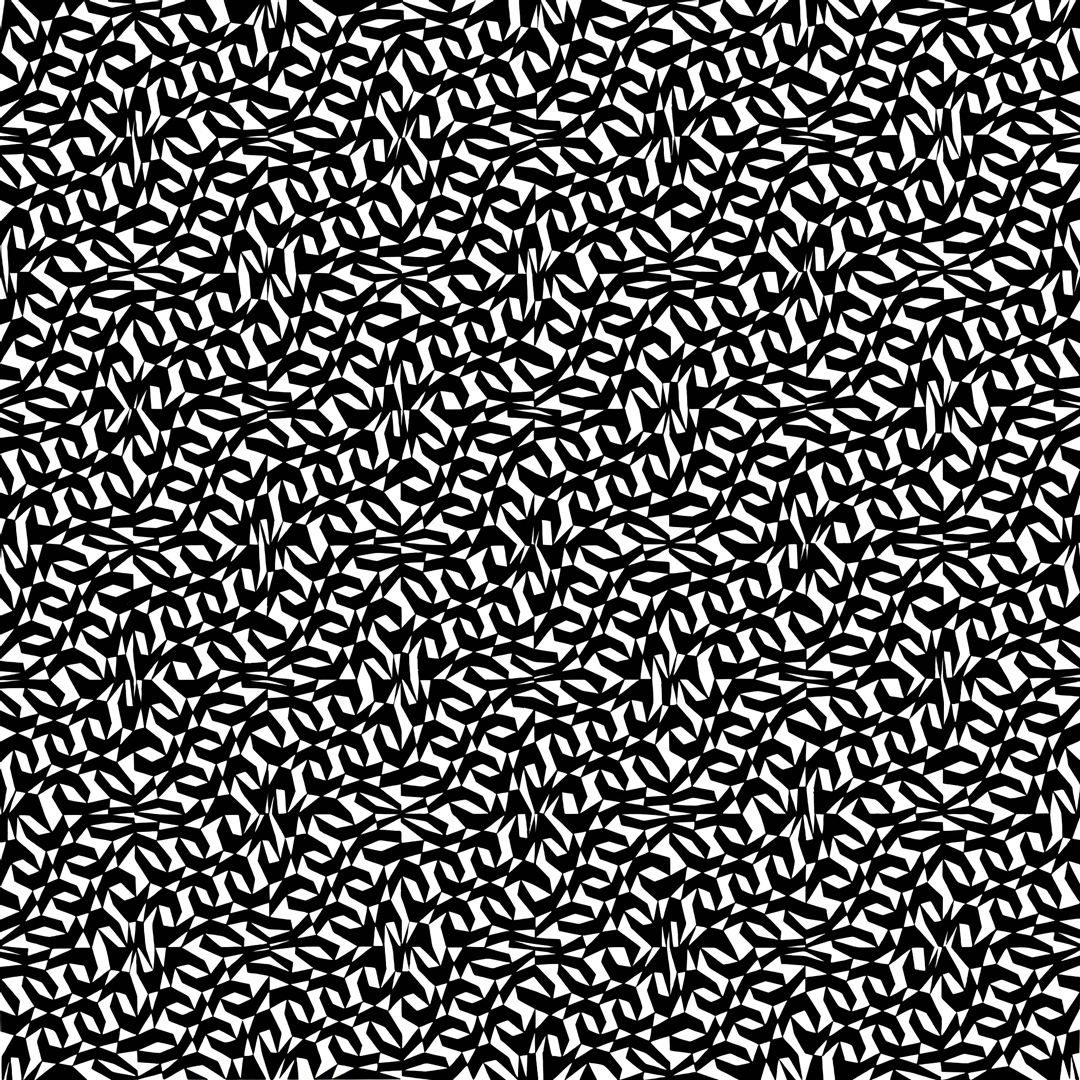
Incastri (INTERLOCKINGS)
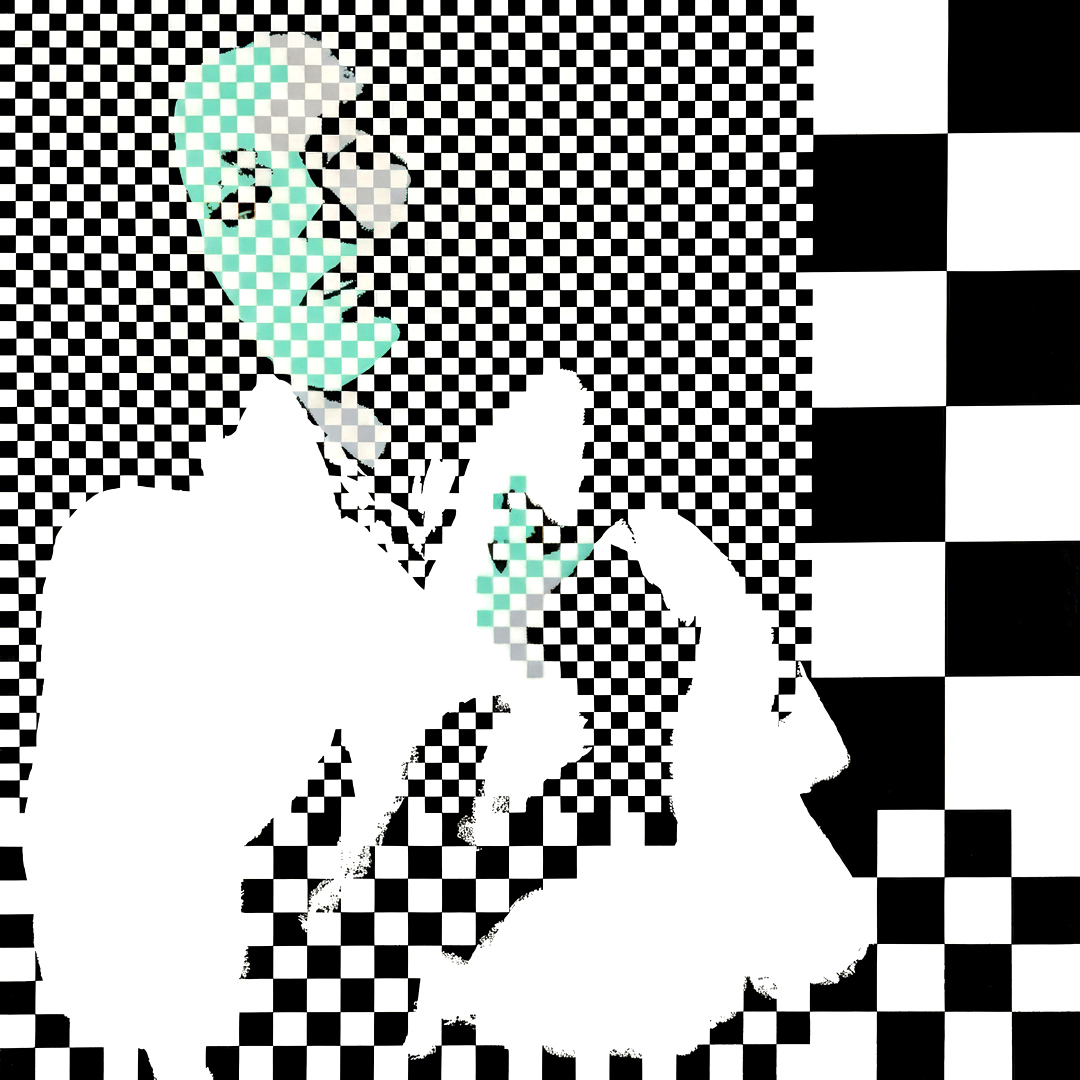
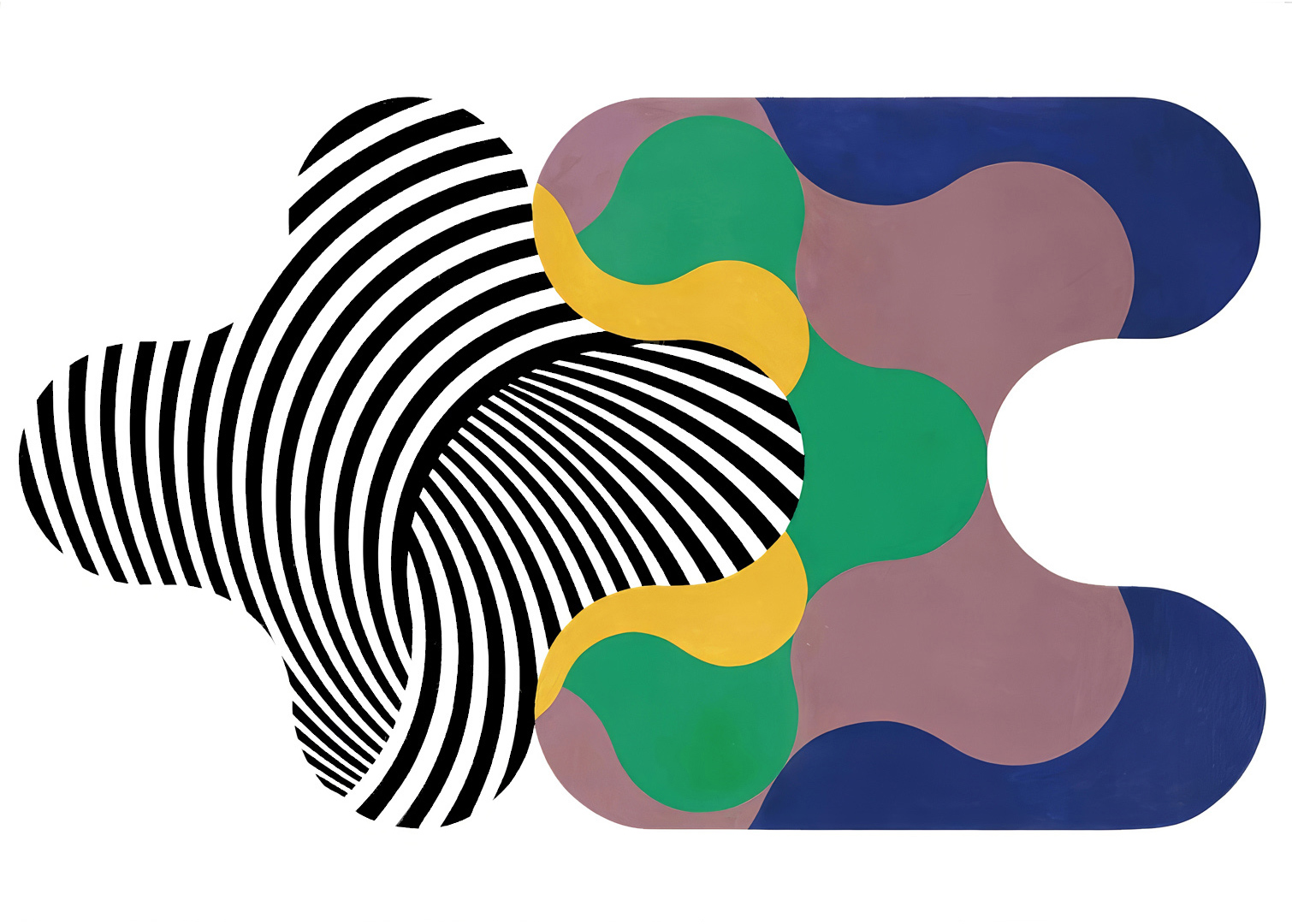
Radiali (RADIALS)
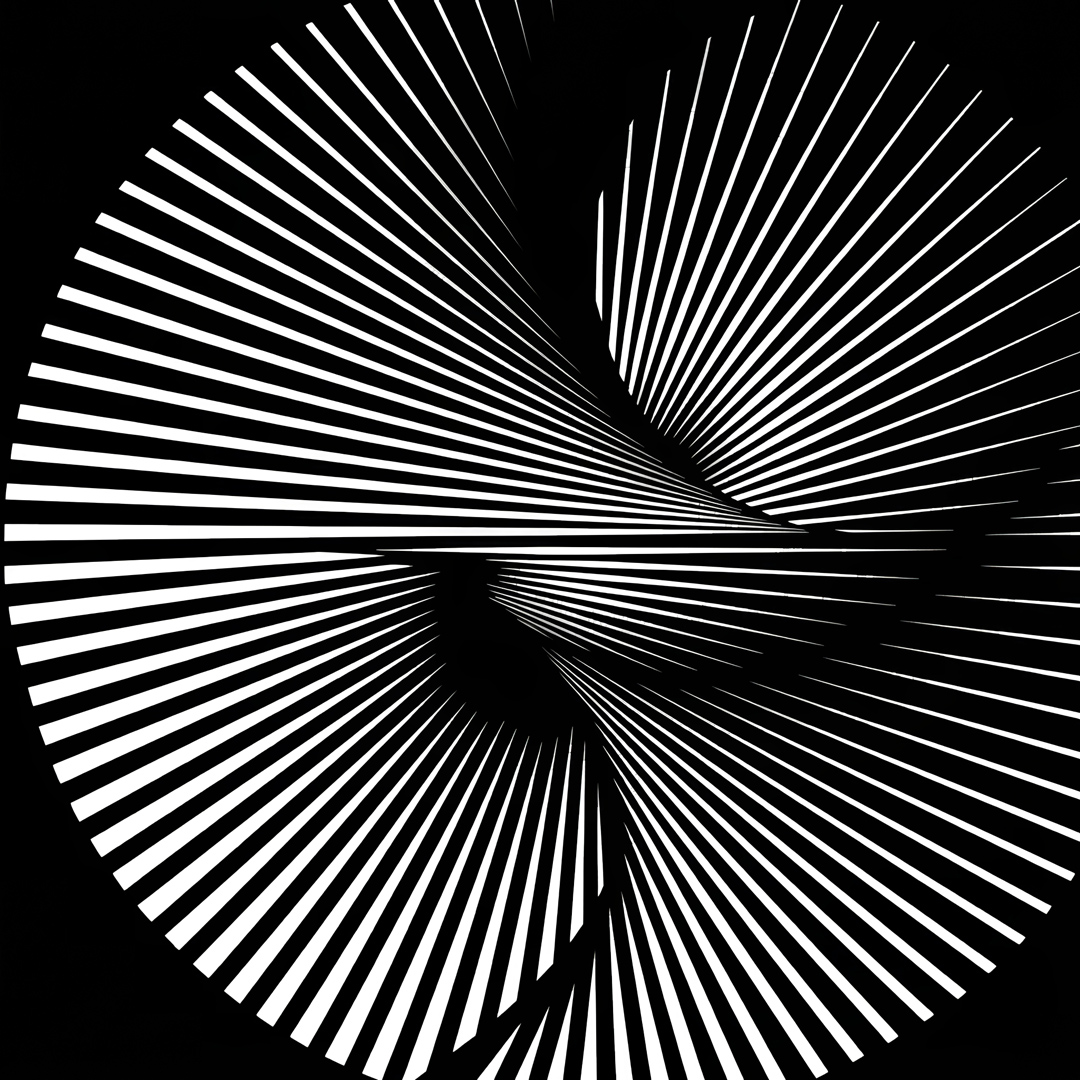
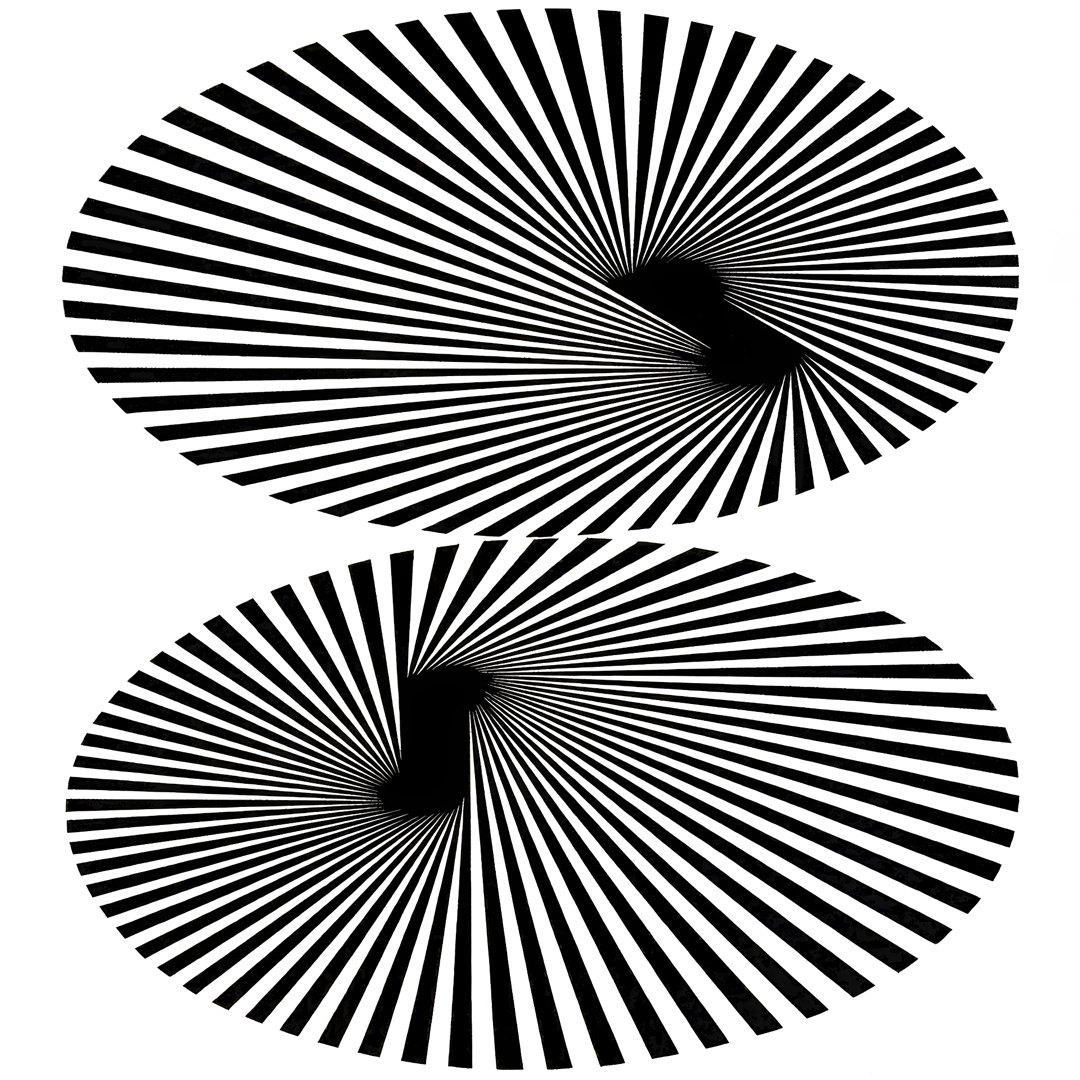
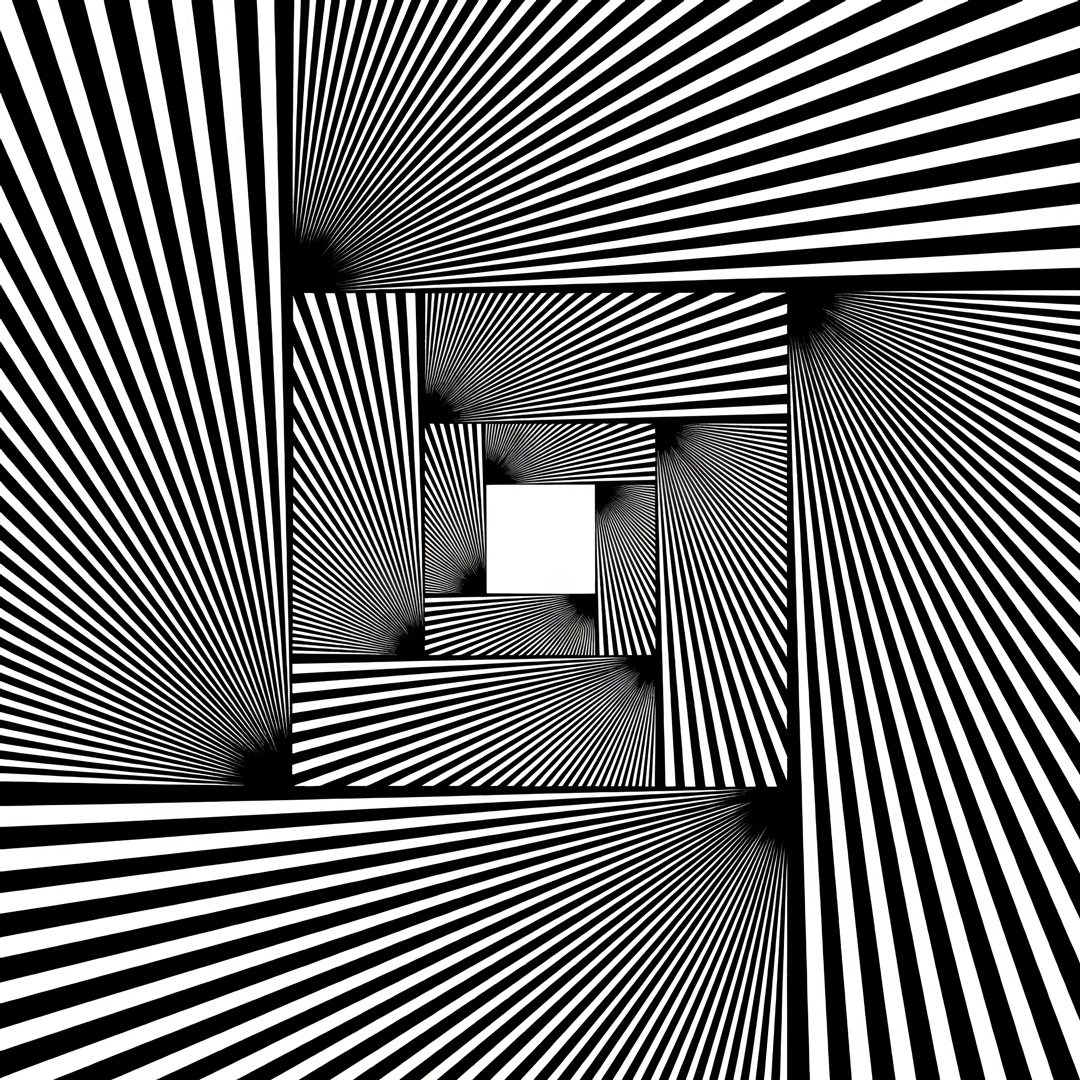
Operativo Numerico (NUMERICAL OPERATIONAL)
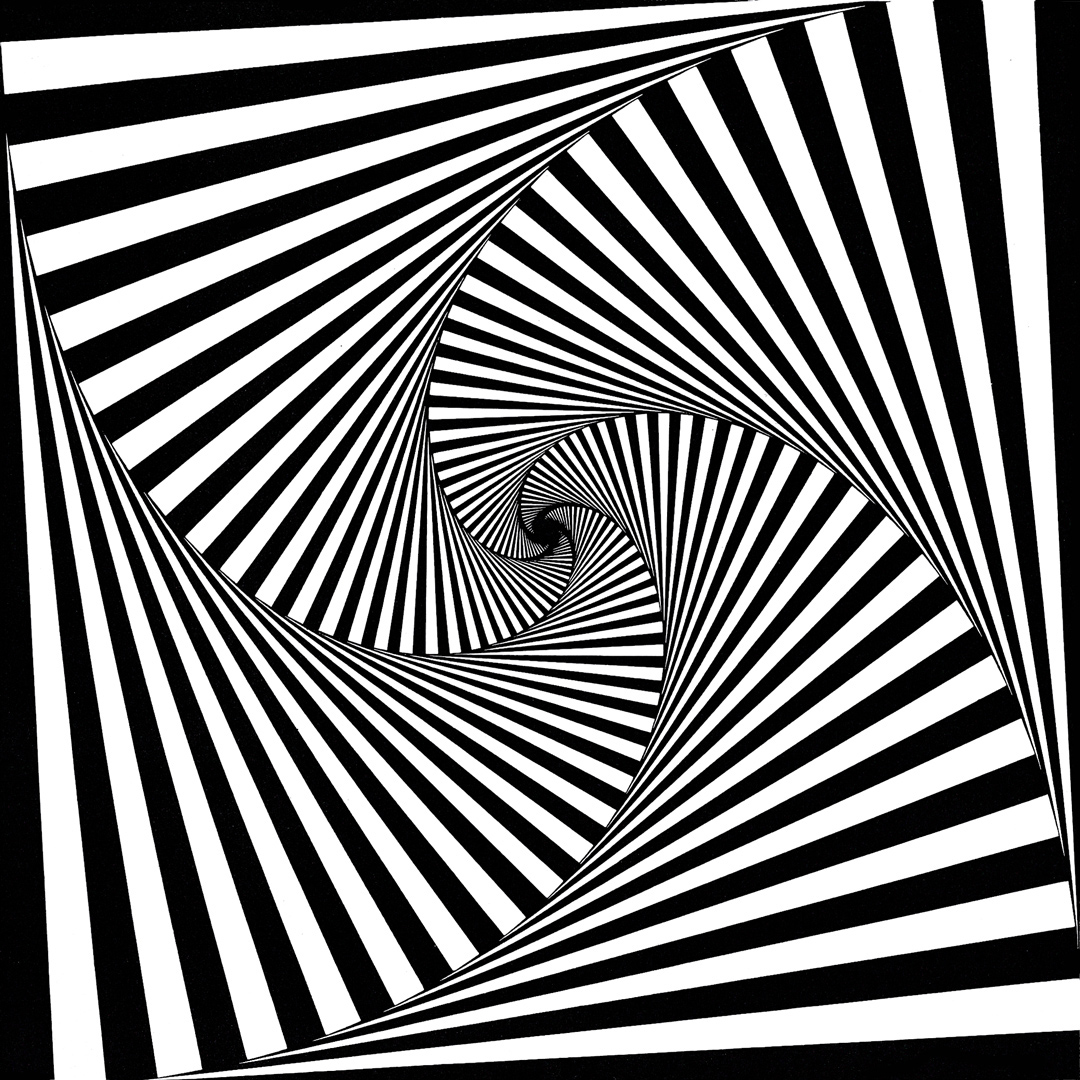
Diacroniche (DIACHRONICS)
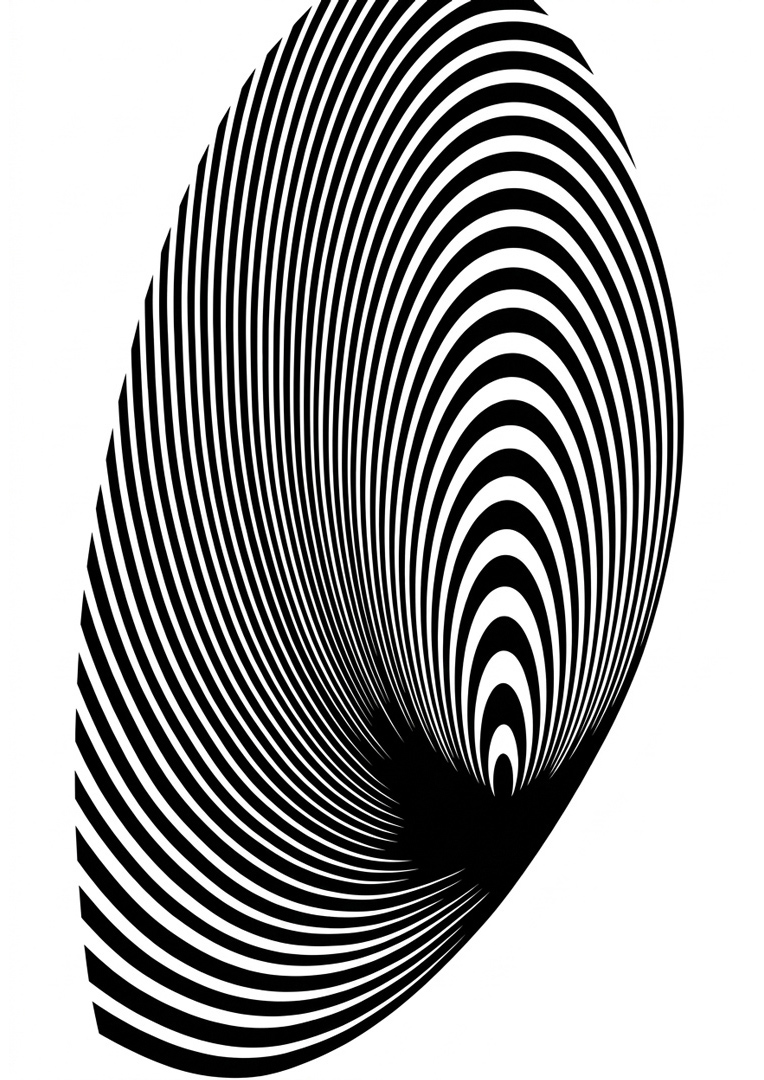
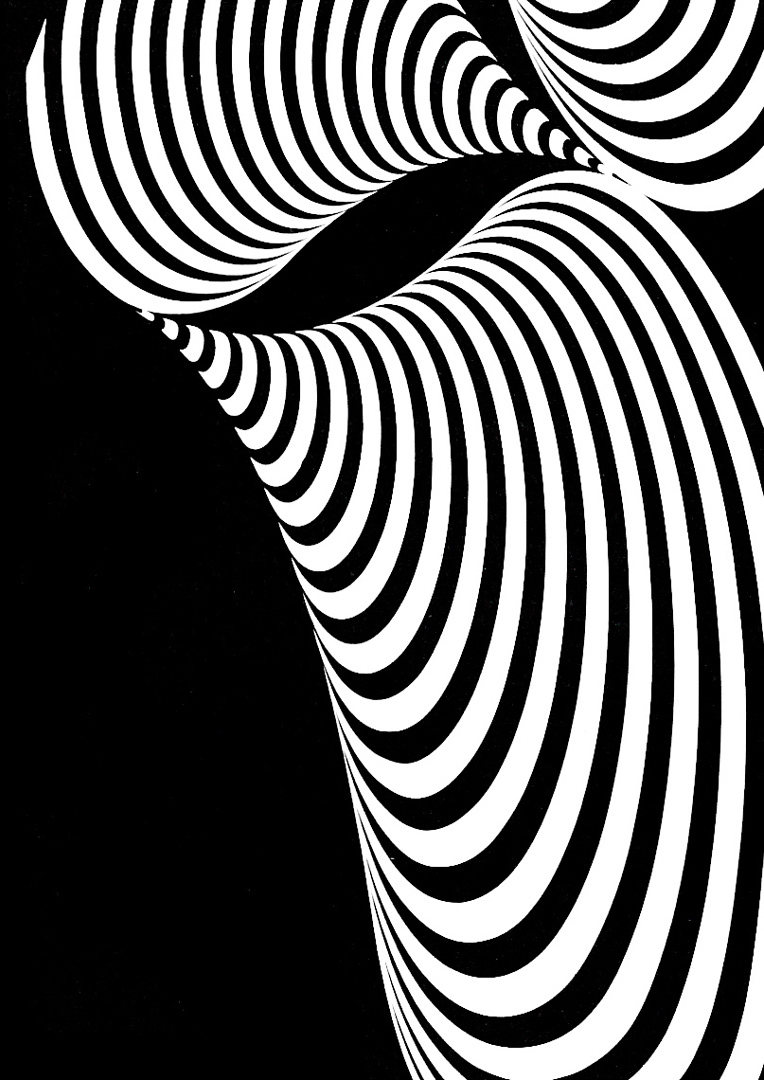
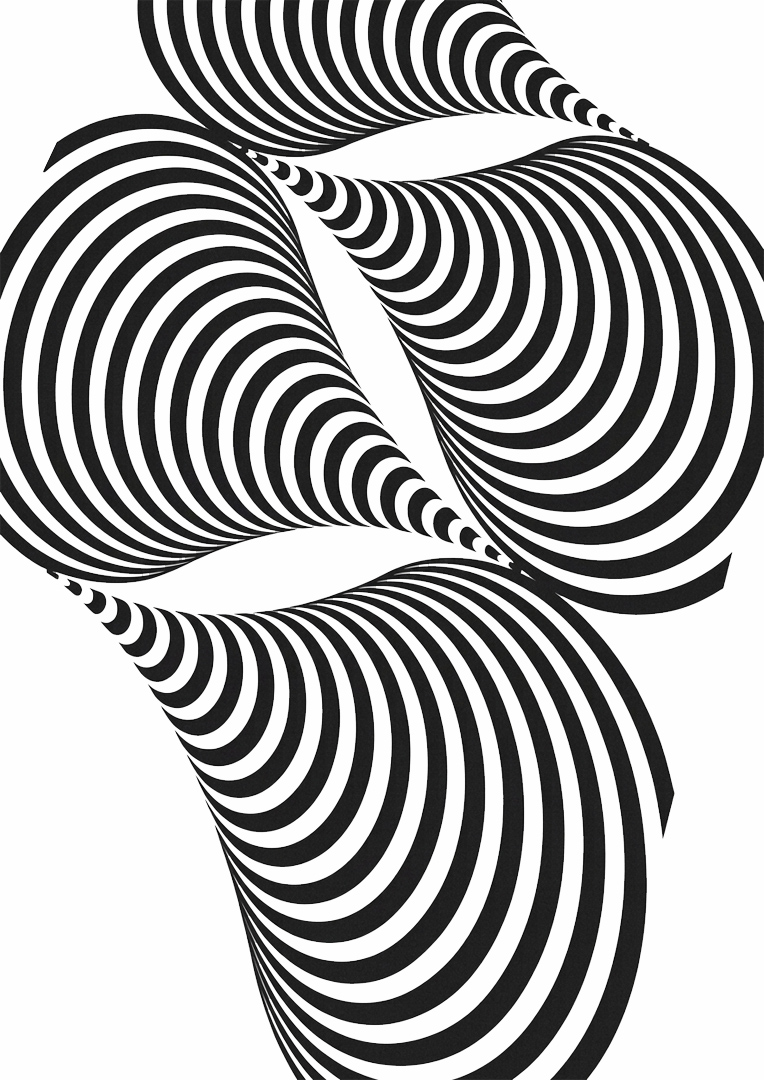
Tensione (TENSION)
Periodiche
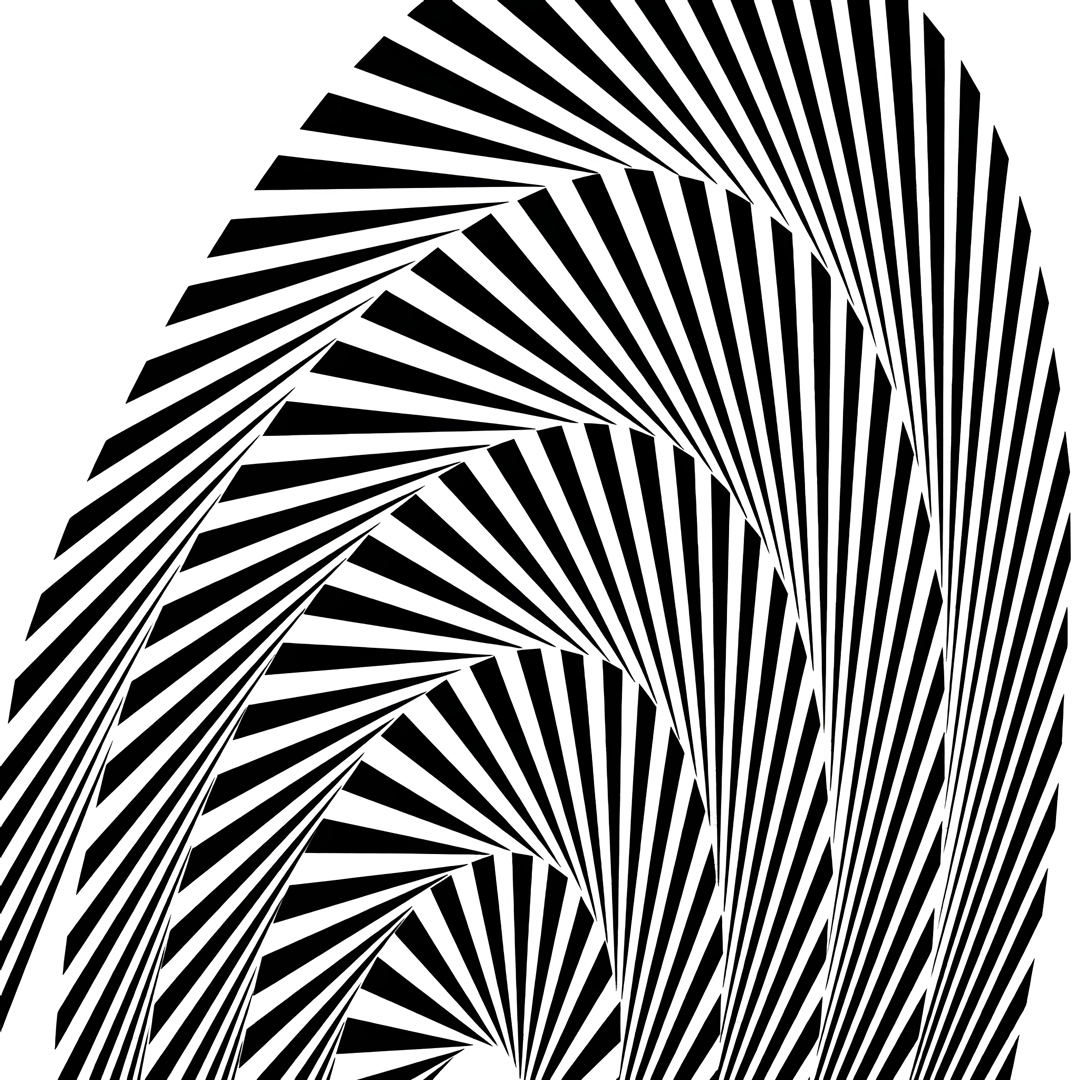
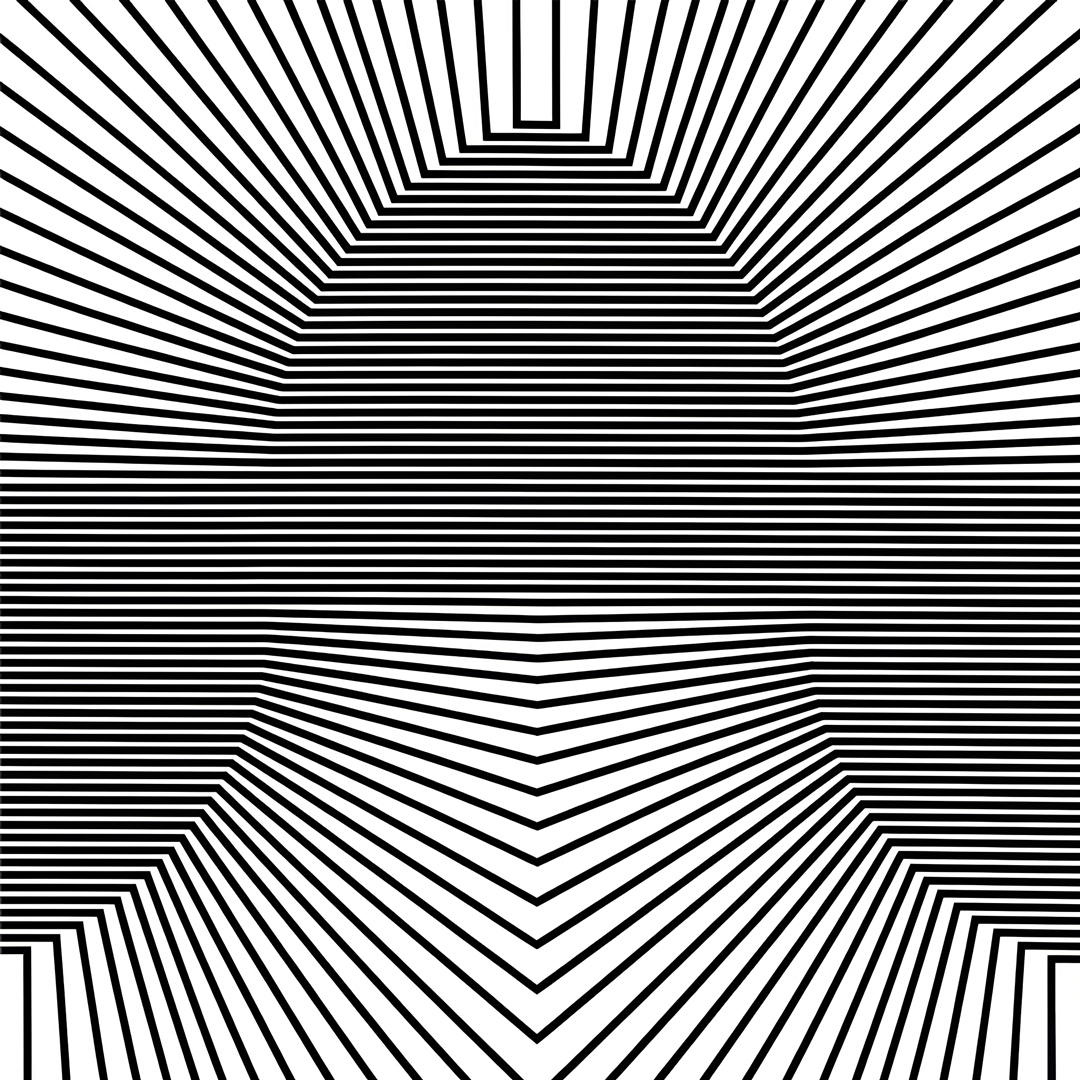
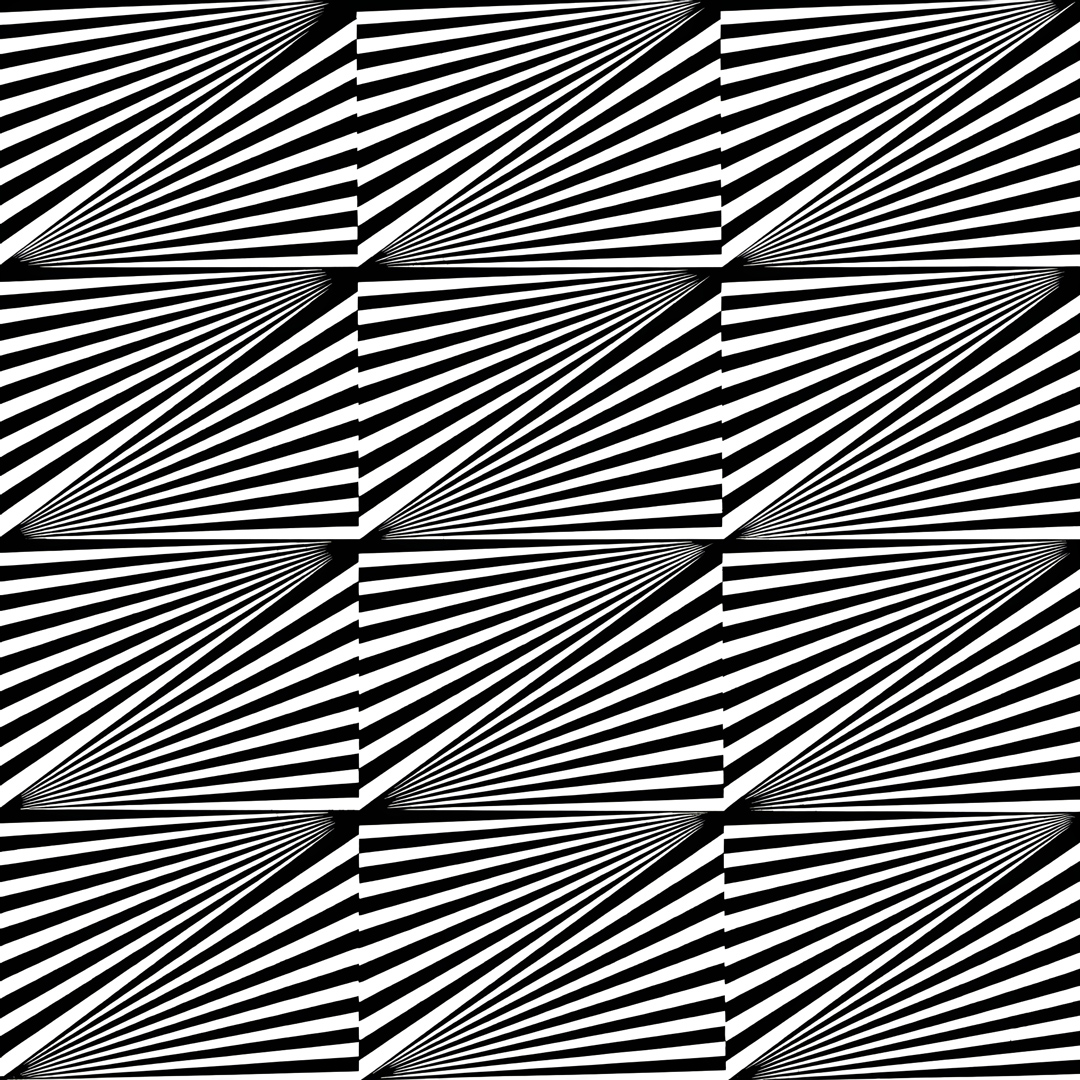
PERIODIC STRUCTURES
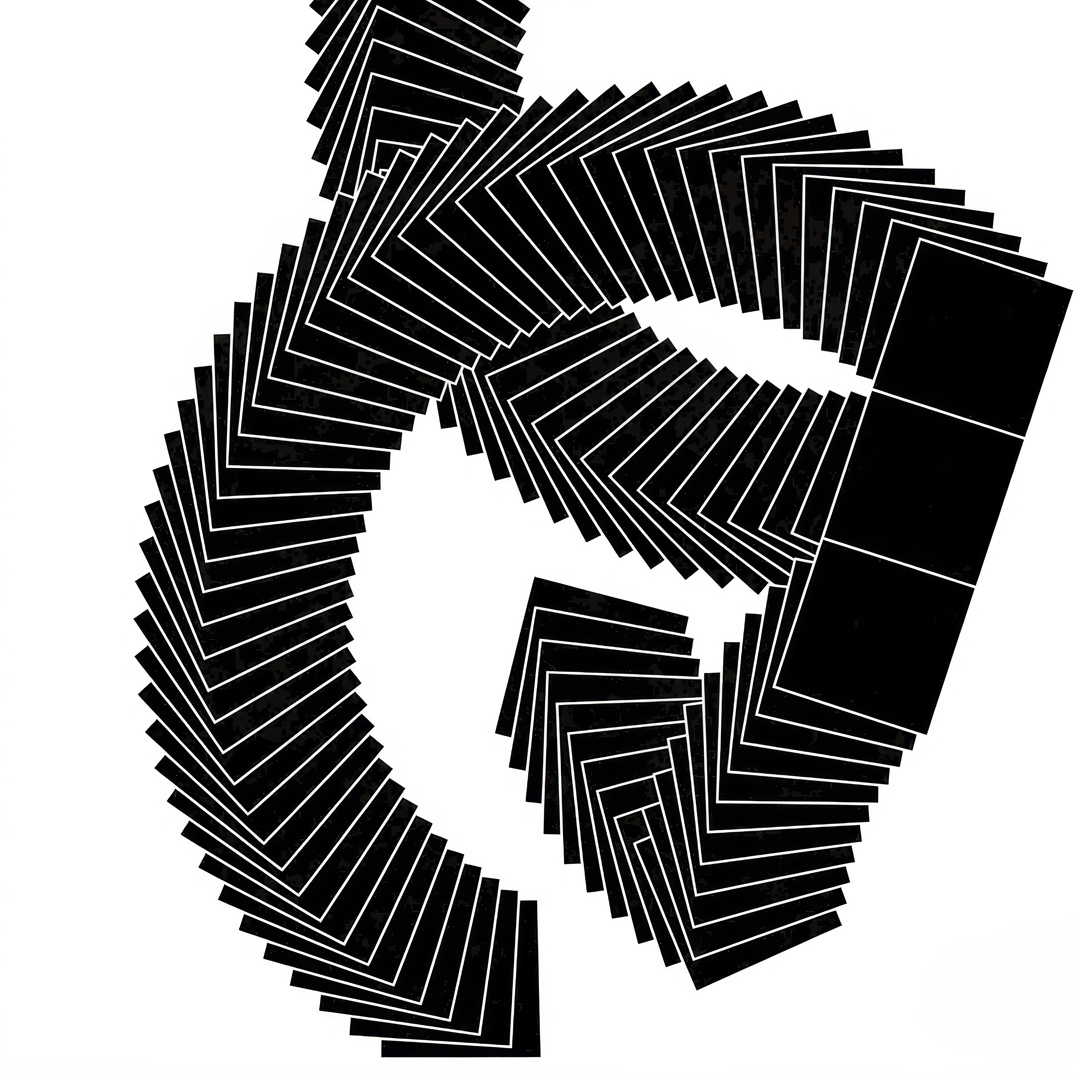
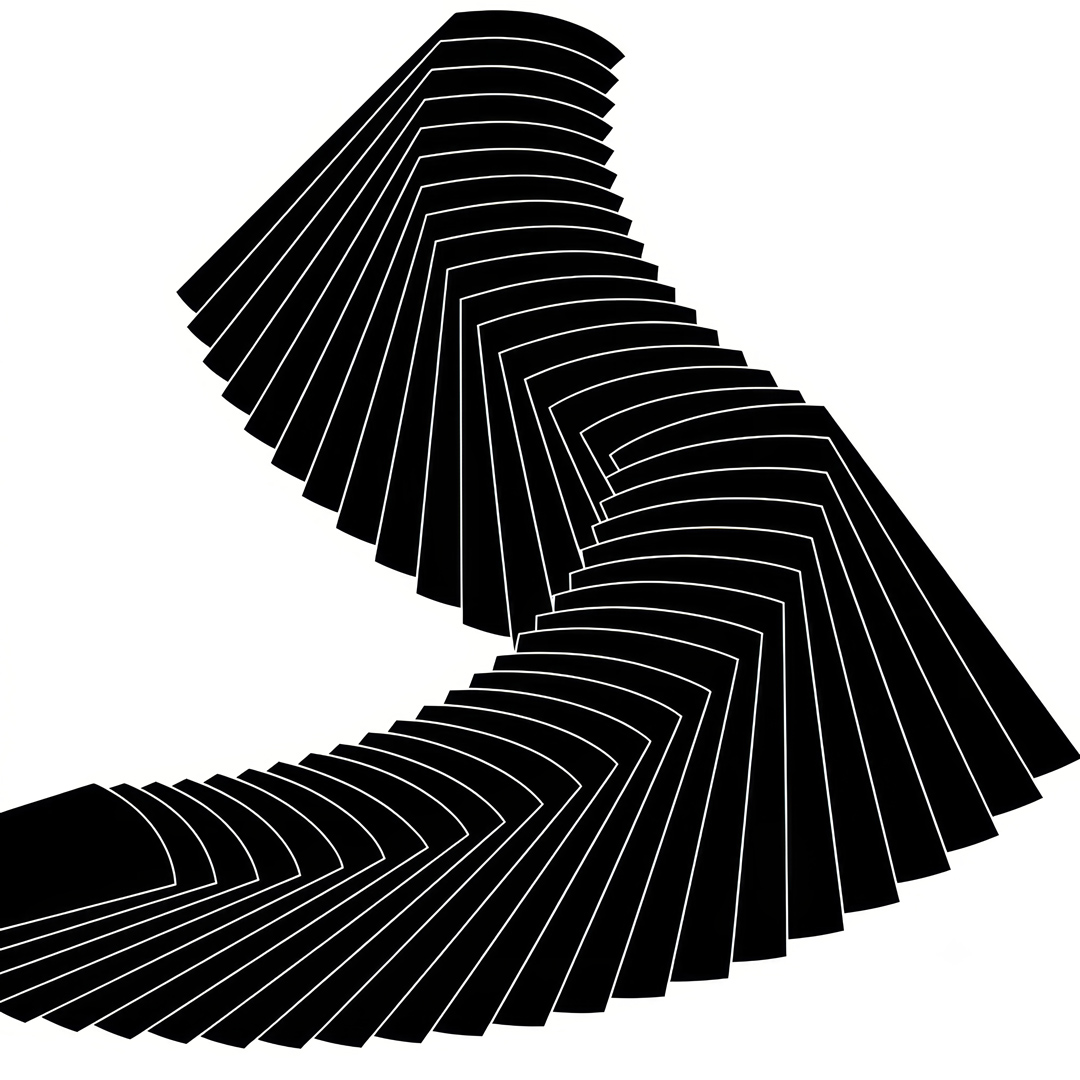
In this phase, the movement of a form through space is analysed by the artist through a sequence of segmentations, which serve to sustain the viewer’s engagement with the form over an extended period. (In film, a series of static frames projected at a specific speed allows the eye to perceive the motion of the subjects.)
Thus, the form—reconstructed across a series of temporal moments and interpreted through its successive stages—creates and defines the sensation of a space through which it moves.
Periodic structures originate from a primary matrix organized around varying angles. The merging of two or more angular orientations yields a fluid, volumetric sinuosity that projects itself directly into space.
PERIODICHE
Qui il movimento di una forma nello spazio viene analizzato dall’artista con una serie di segmentazioni che hanno il potere di far vivere in tempi lunghi la visione della forma. (Nei films si hanno una serie di fotogrammi statici, ma girati con una determinata velocità l’occhio percepisce il movimento dei personaggi fotografati).
Così la forma — ricostruita attraverso una serie di momenti di esistenza e letta attraverso i vari stadi — crea o determina la sensazione di uno spazio dove la forma si muove.
Le periodiche nascono da una matrice che viene organizzata con variazioni di angolatura. La saldatura di due o più angolature determina una sinuosità corporea e volumetrica che si proietta nello spazio.
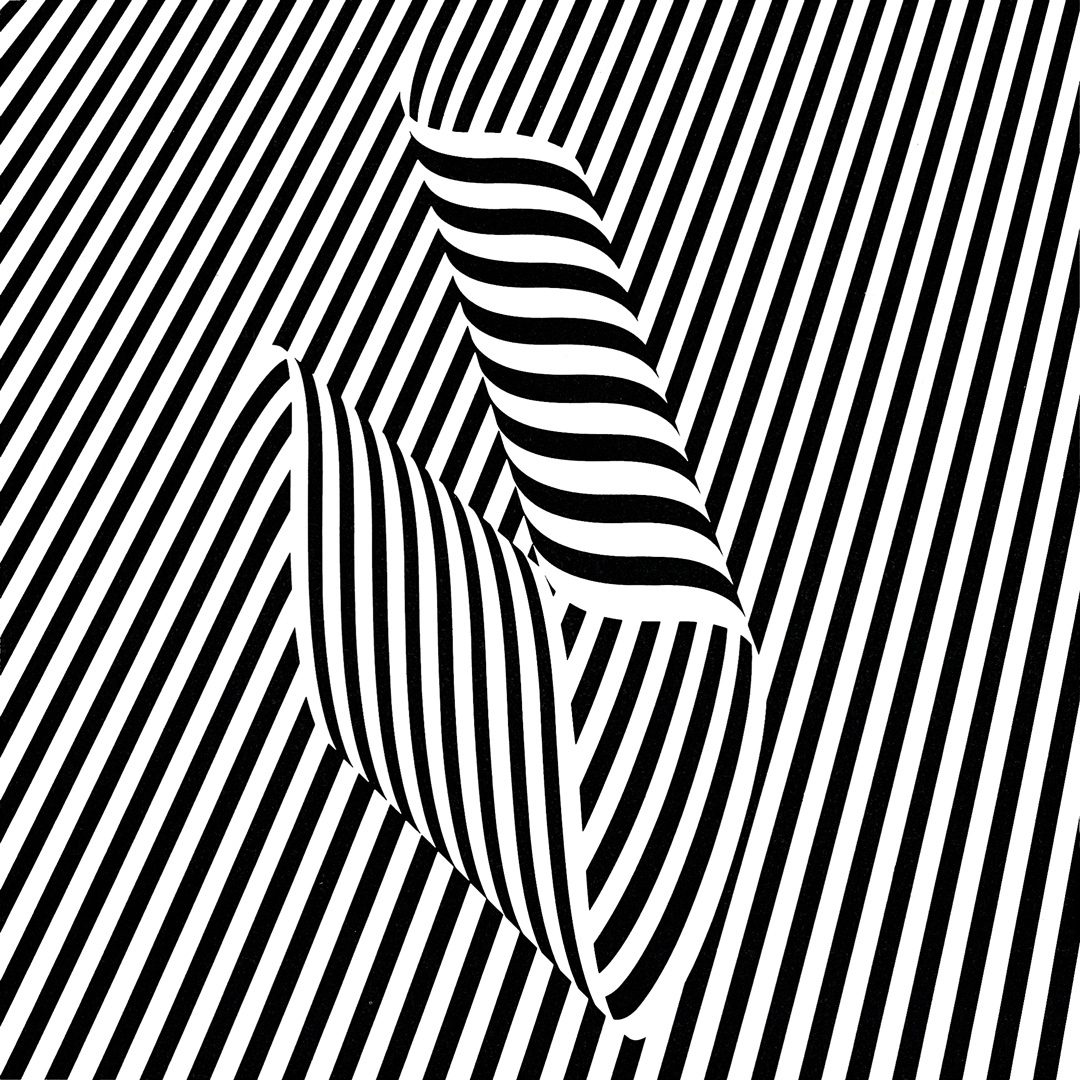
Dissociazione
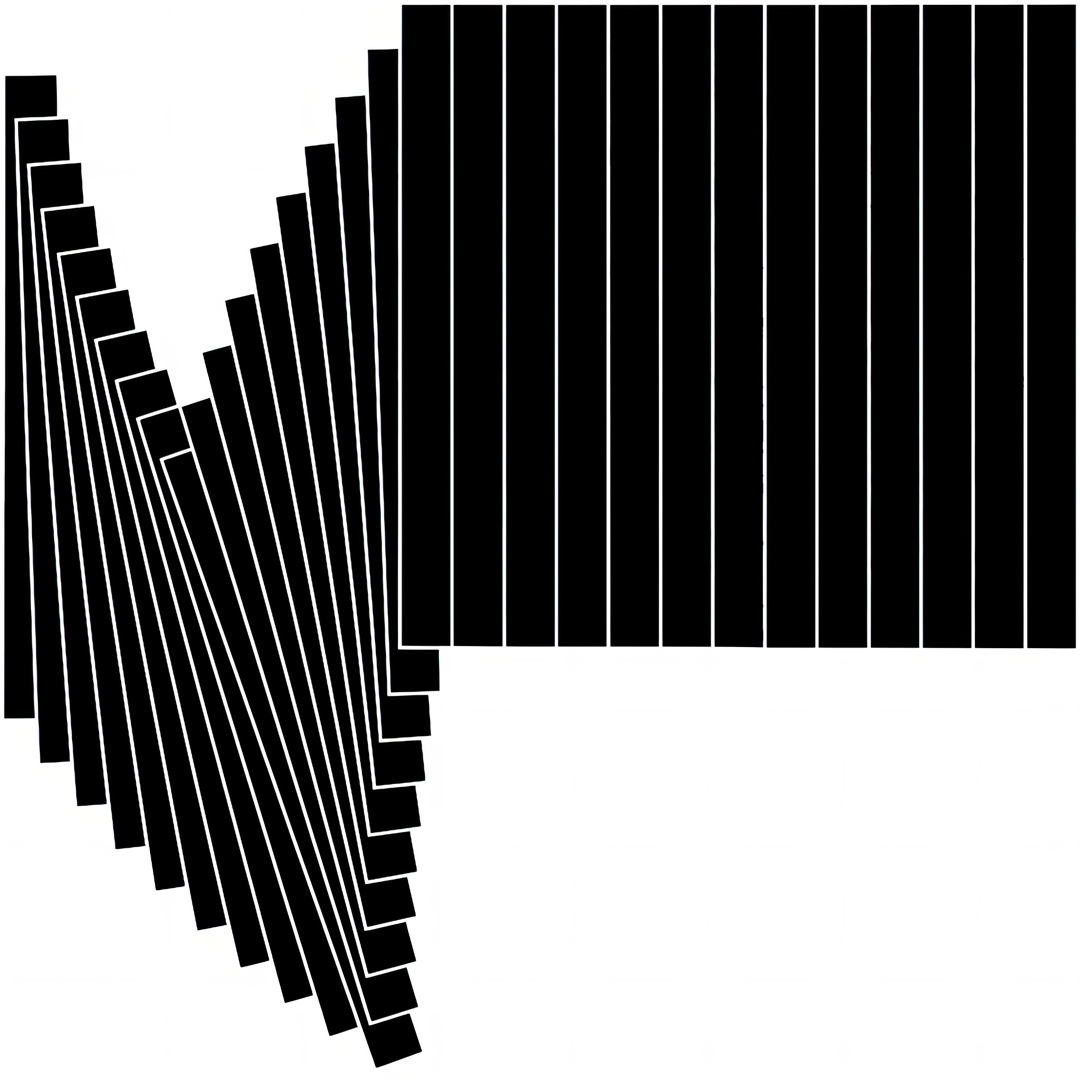
DISSOCIATION
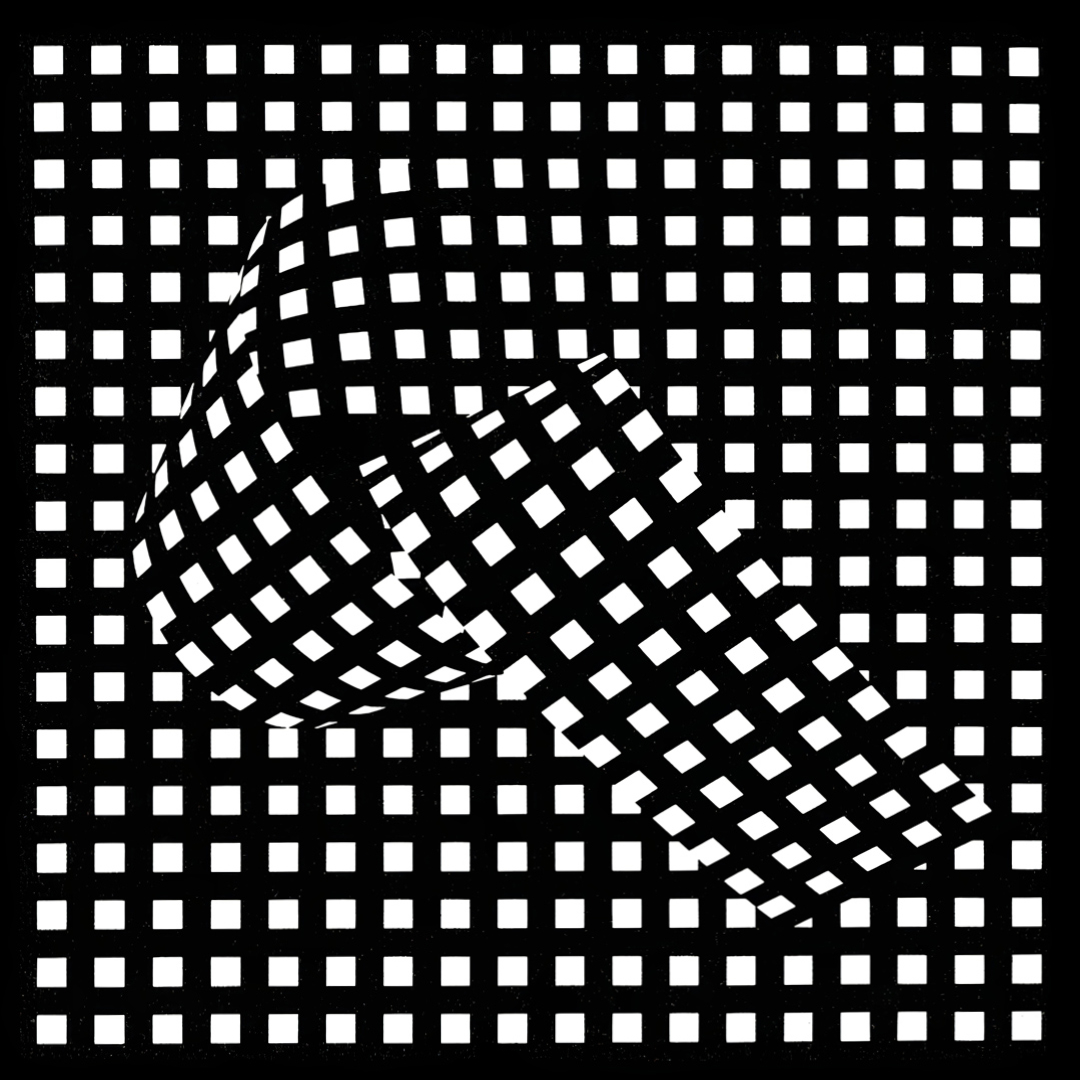
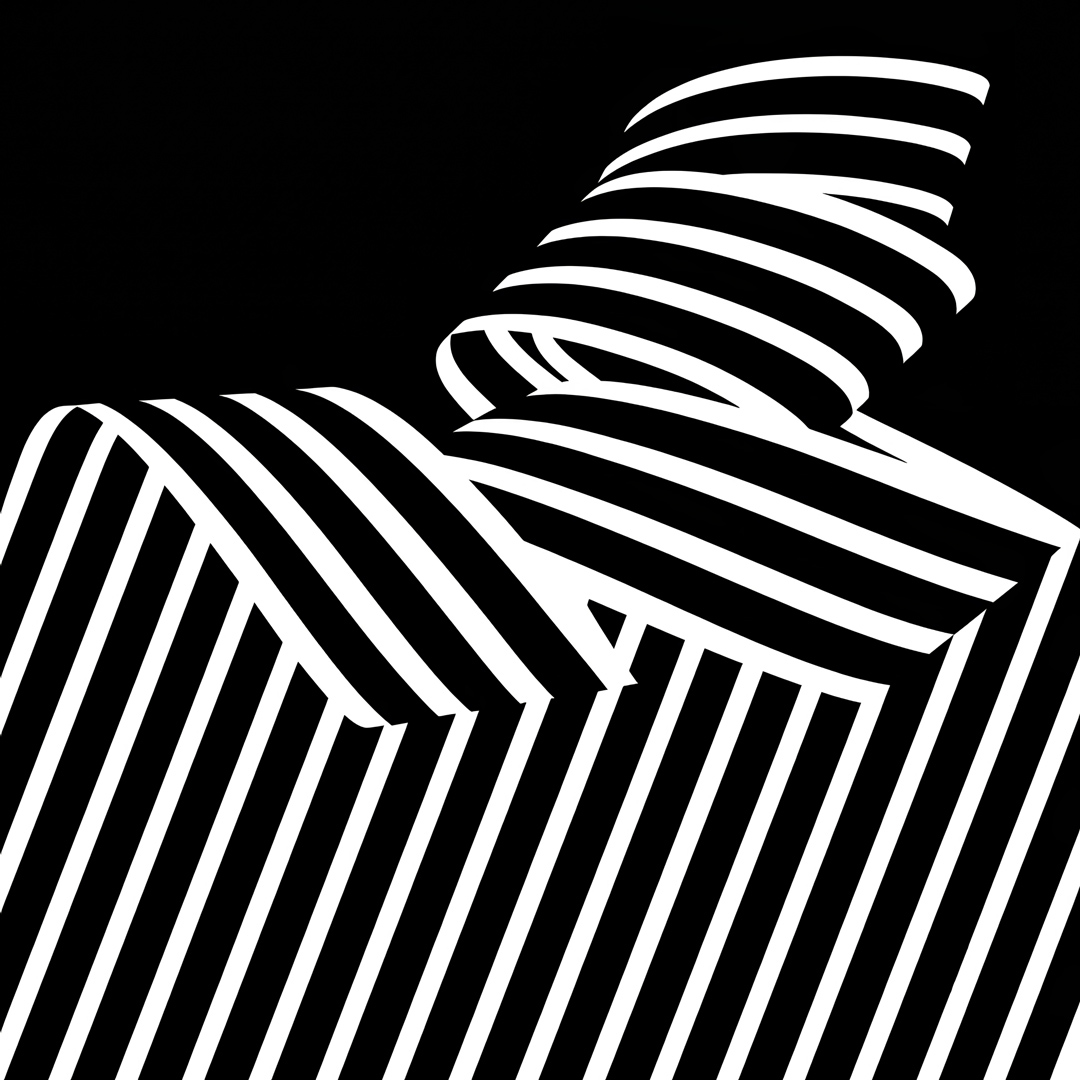
Within a given spatial field, every alteration constitutes a phenomenon for the eye. More than mere phenomena, however, these alterations act as perceptual provocations.
Accordingly, structural dissociations move across the field without leaving any trace of rupture; within certain areas, exit and re-entry occur almost simultaneously. Some dissociations even defy the laws of perspective, causing the most distant element in the composition to appear larger than the one closest to the viewer.
In other investigations, the phenomenon unfolds at the outer margin, thereby liberating the dissociation from its underlying matrix. This phenomenon is triggered by sudden visual imbalances within fields of rest.
DISSOCIAZIONE
Dato un campo, tutte le modifiche del campo costituiscono fenomeni per l’occhio. Ma sono, più che fenomeni, provocazioni.
Pertanto le dissociazioni strutturali si muovono senza lasciare traccia di rottura, e, in alcuni campi, avviene l’uscita e il rientro quasi contemporaneamente. Certe dissociazioni non ubbidiscono neanche alle leggi prospettiche, per cui si può osservare che la parte più lontana, nel quadro, risulta più grande di quella vicina.
Vi sono anche altre analisi, dove il fenomeno avviene al bordo, liberando in questo modo la dissociazione dalla matrice. Questo fenomeno viene determinato da improvvisi scompensi in campi di quiete.
Packaging
Psicoplastiche
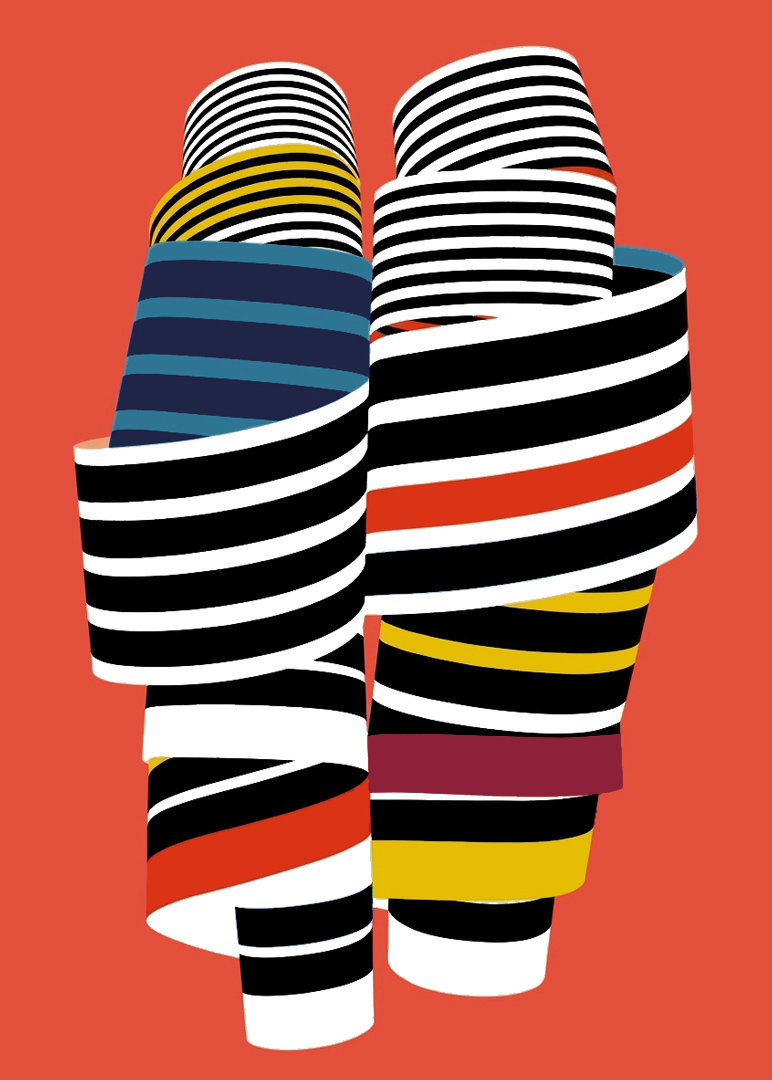
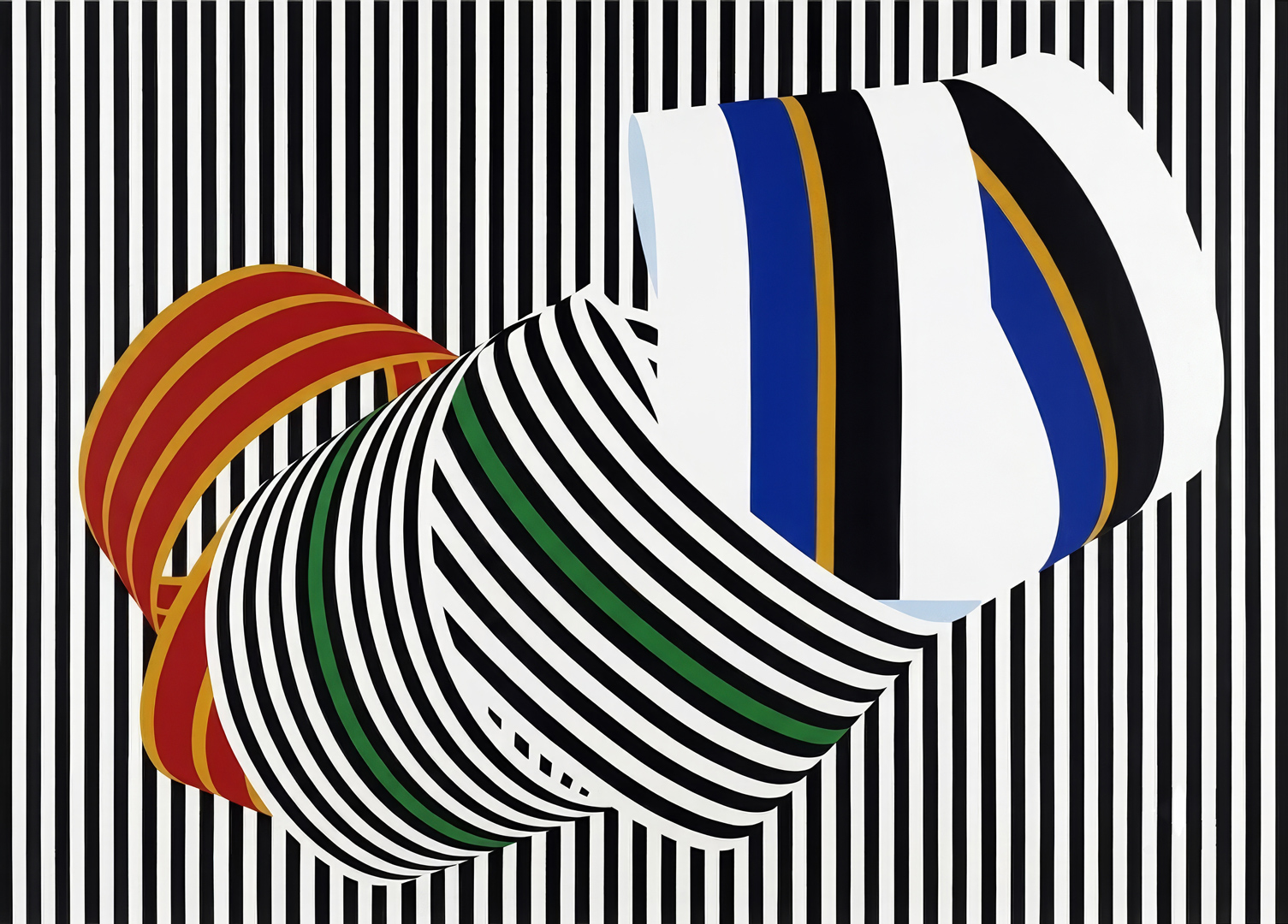
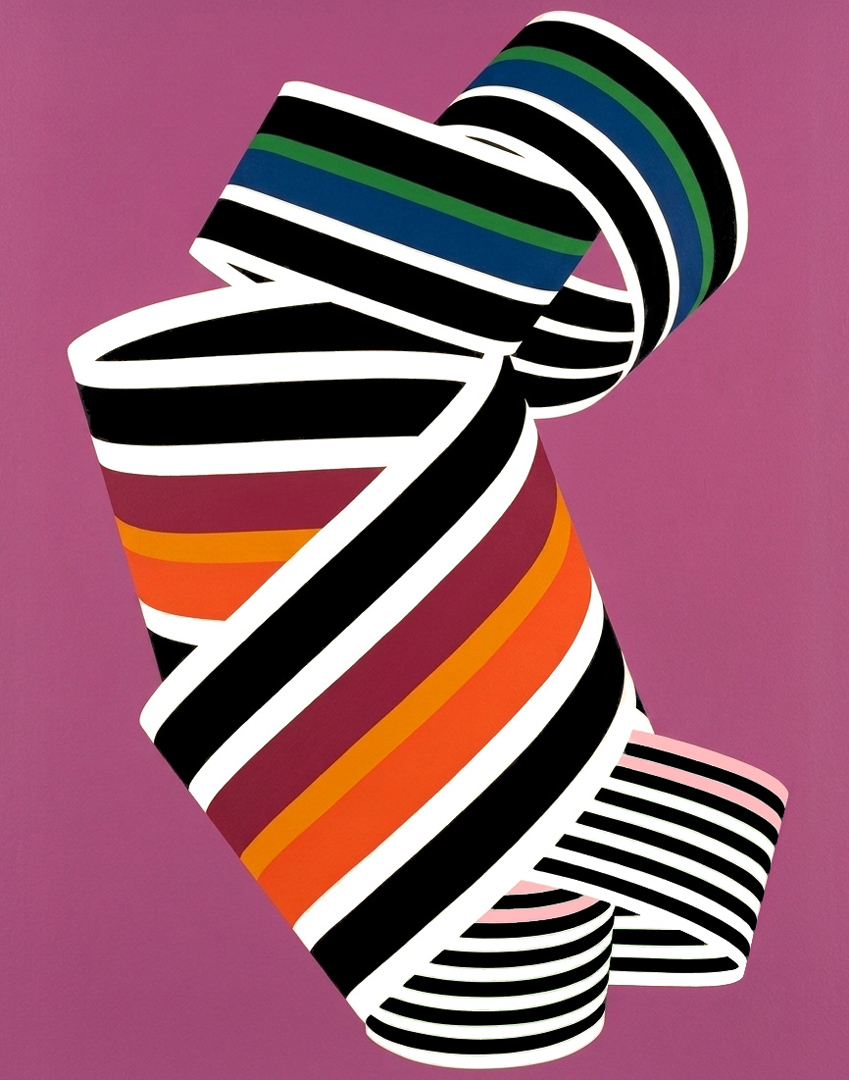
PSYCHOPLASTICS
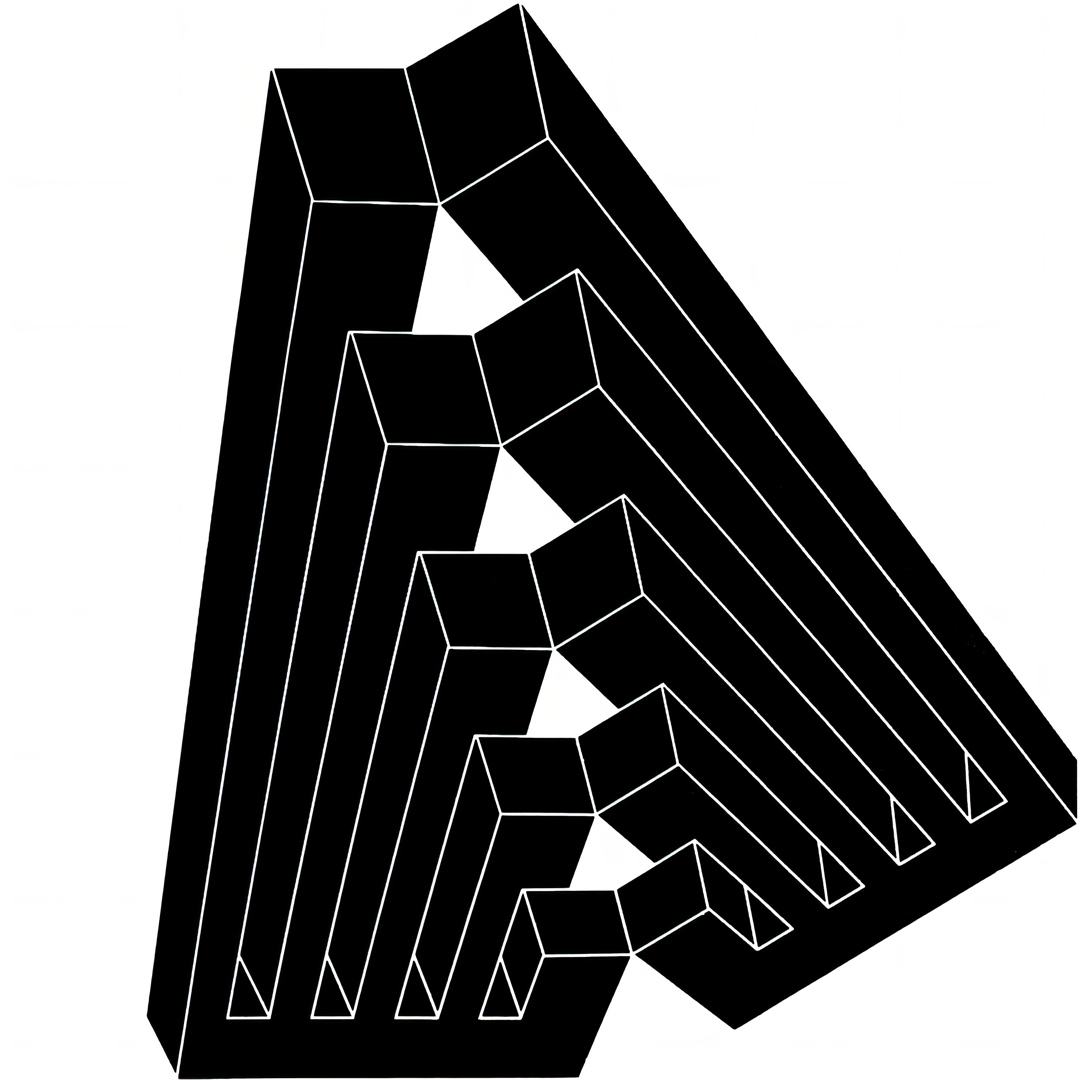
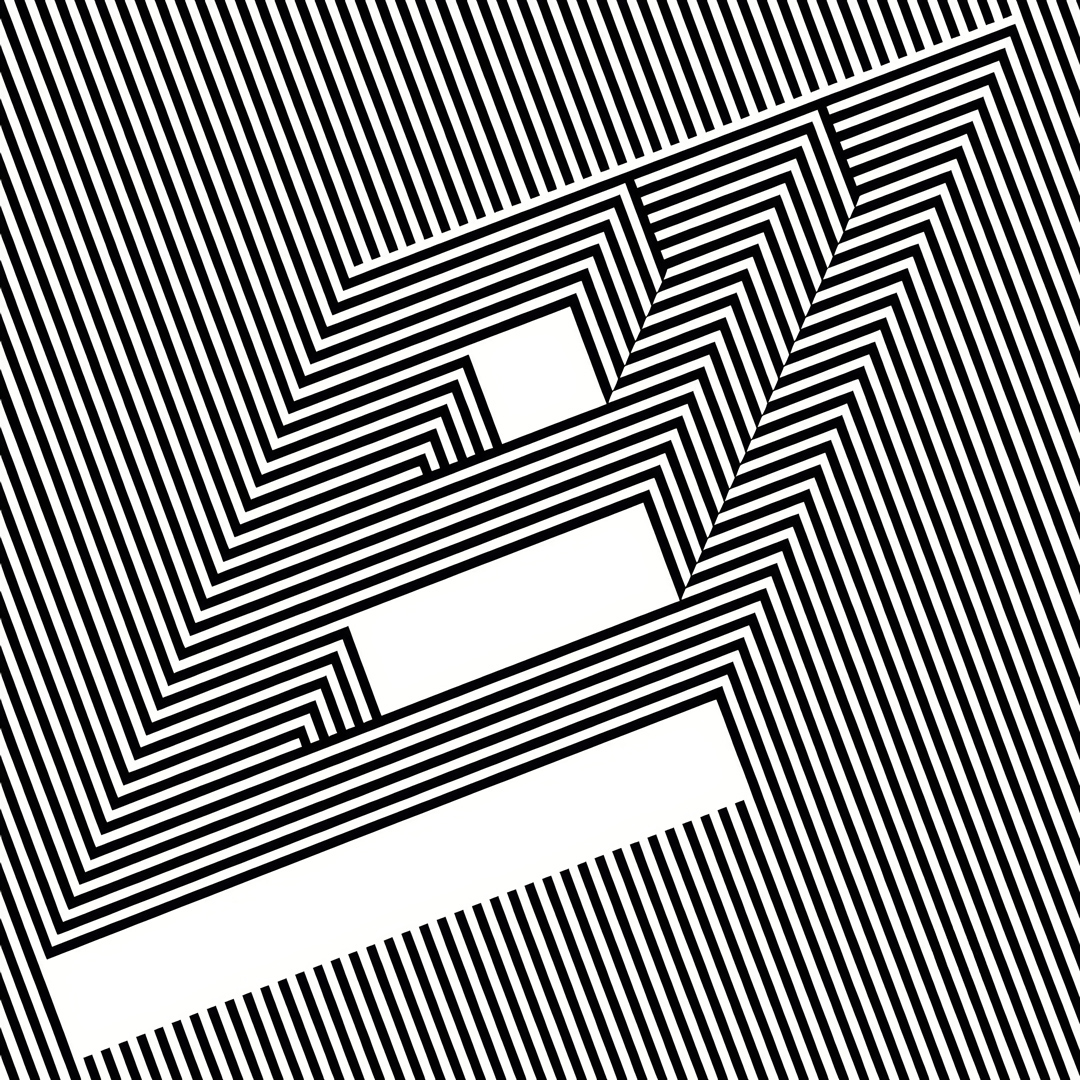
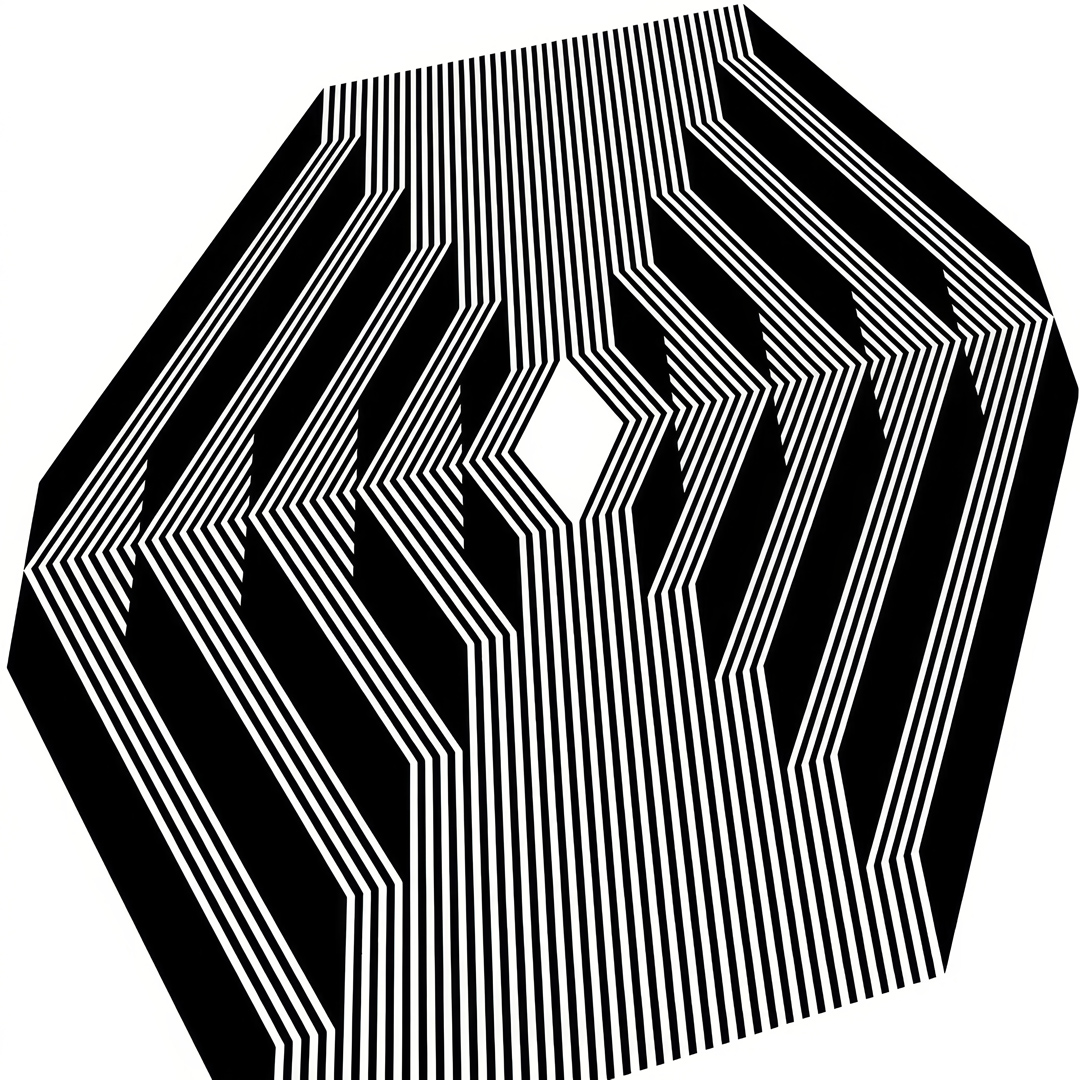
These are collages of volume. They represent volumetric form experienced at a velocity too fast for the human eye—mirroring the speed of modern transportation.
In psychoplastics, one finds the subtraction of volumes, hyperbolic shifts in elevation, the horizontal merging seamlessly into the vertical, and the interior becoming the exterior. Psychoplastics is the mental reconstruction of volume within an instantaneous fraction of time.
It is an open form designed for communication, allowing each viewer—by reorganising the image through their own experience—to uncover their own room for manoeuvre: an inventive space, an imaginary space, a poetic space.
PSICOPLASTICHE
Sono dei collages di volumi. Sono la volumetria vissuta in un tempo troppo veloce per l’occhio umano (velocità dei mezzi mobili dell’uomo).
Nelle psicoplastiche vi sono sottrazioni di volumi, dislivelli iperbolici, l’orizzontale che si fonde col verticale, il dentro che è fuori. La psicoplastica è la ricostruzione mentale di un volume in un tempo rapidissimo.
E la forma aperta per la comunicazione finché ognuno, riorganizzando l’immagine, ritrovi — attraverso le proprie esperienze — il proprio spazio di manovra, lo spazio inventivo, lo spazio immaginario, lo spazio poetico.
Psicostrutture
PSYCHOSTRUCTURES
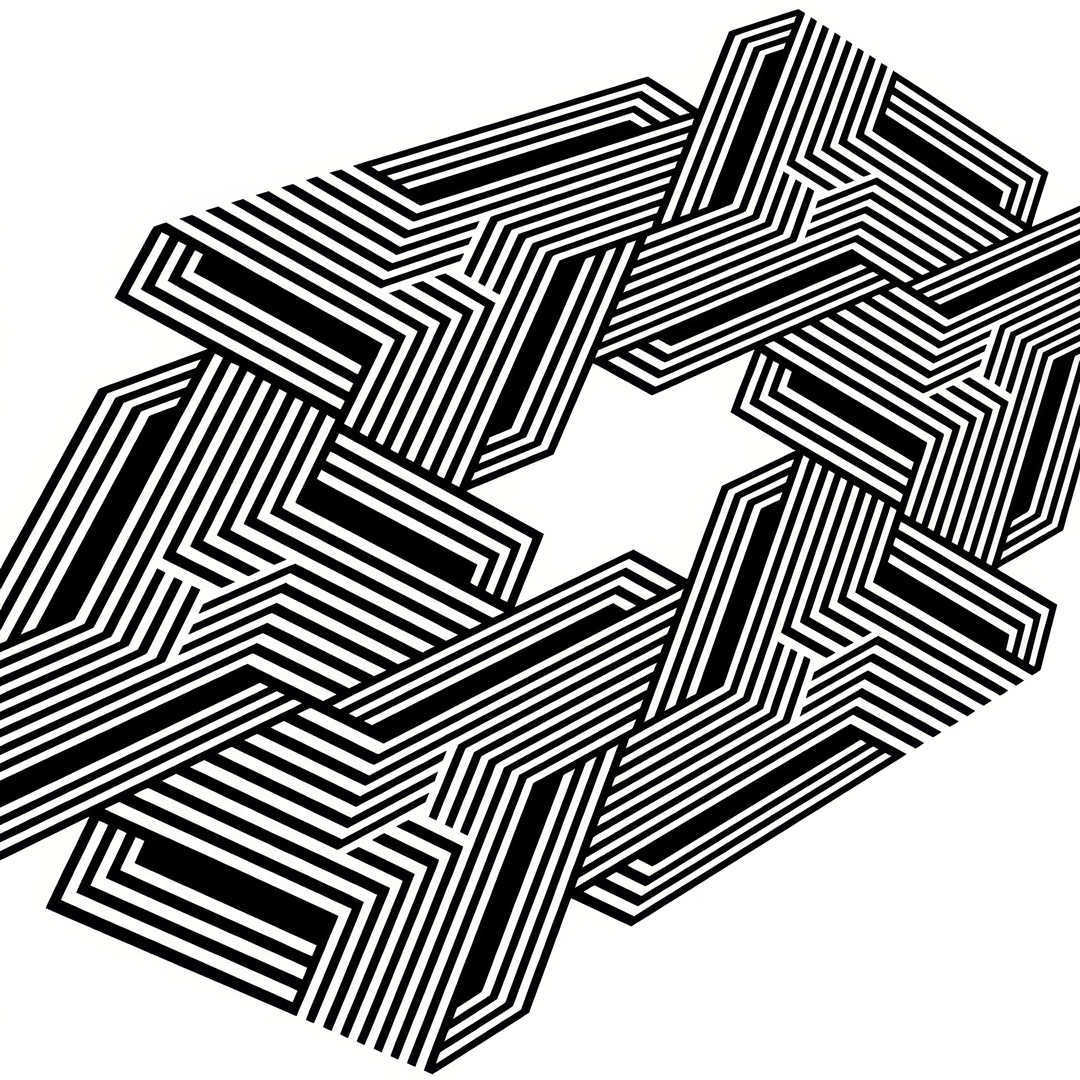
Structure—with its rhythms, ratios, transitions, and relationships—is an organism that can be experienced as a mental event.
Here, relationships become illogical: spatial alignments assume architectural weight, voids serve as sites of imagination, and structural dissonances represent the freedom of a mind actively stimulated and provoked.
PSICOSTRUTTURE
La struttura, con le sue cadenze, i rapporti, i passaggi, le relazioni è un organismo che può essere vissuto come fatto mentale.
Qui le relazioni sono illogiche, gli allineamenti hanno valori architettonici, i vuoti sono le fantasie, le dissonanze strutturali sono la libertà della mente, sollecitata e provocata.
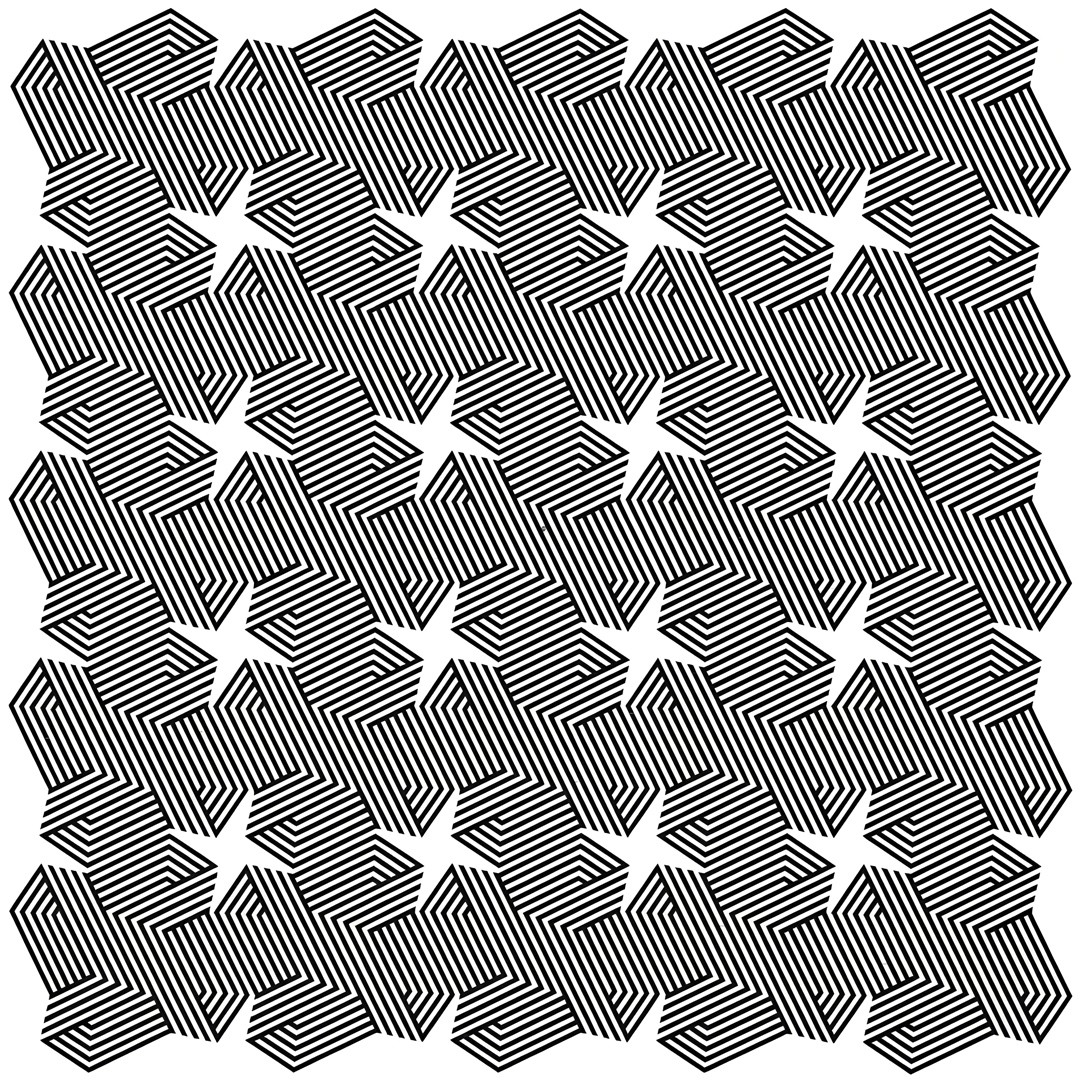
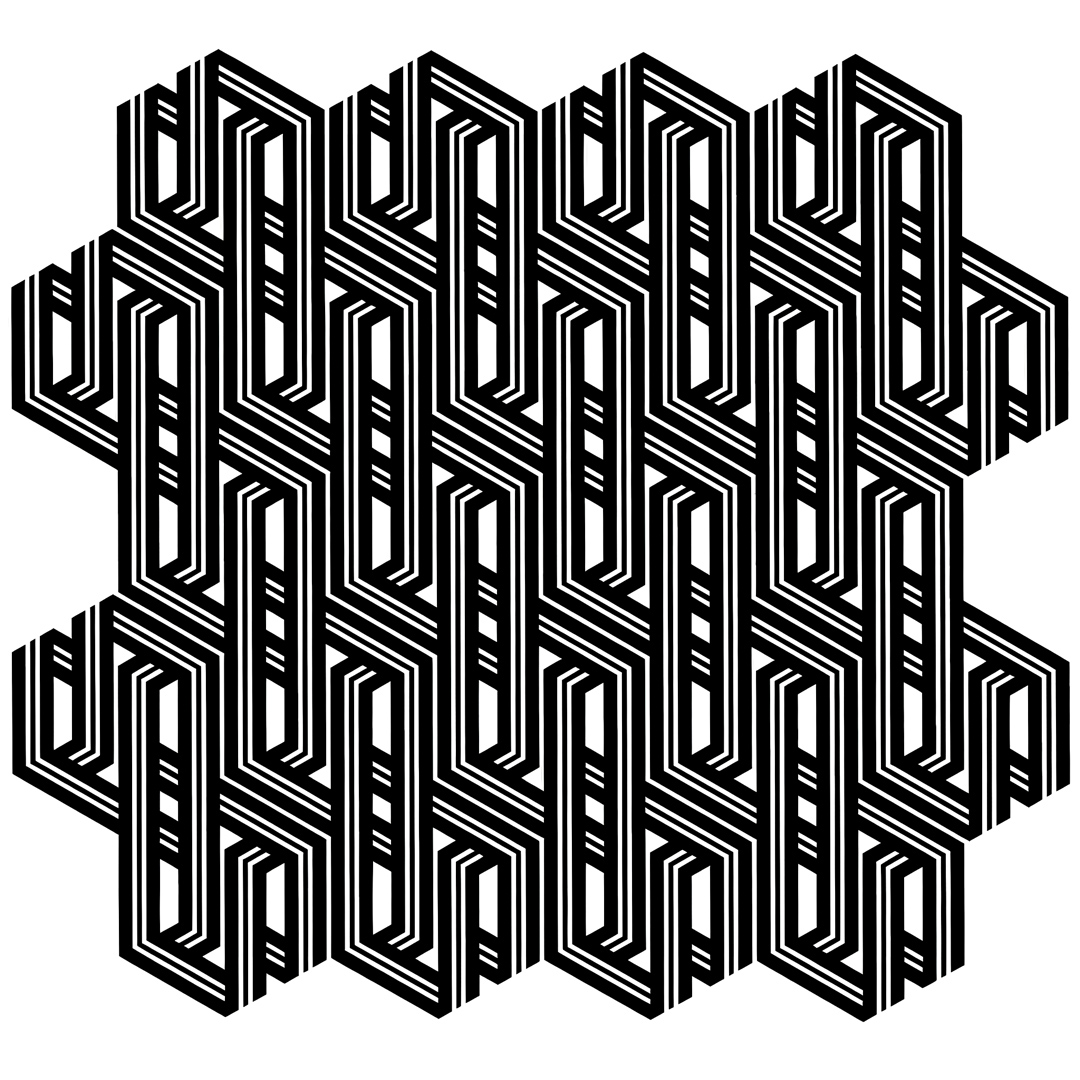
Diagonali nascoste (HIDDEN DIAGONALS)
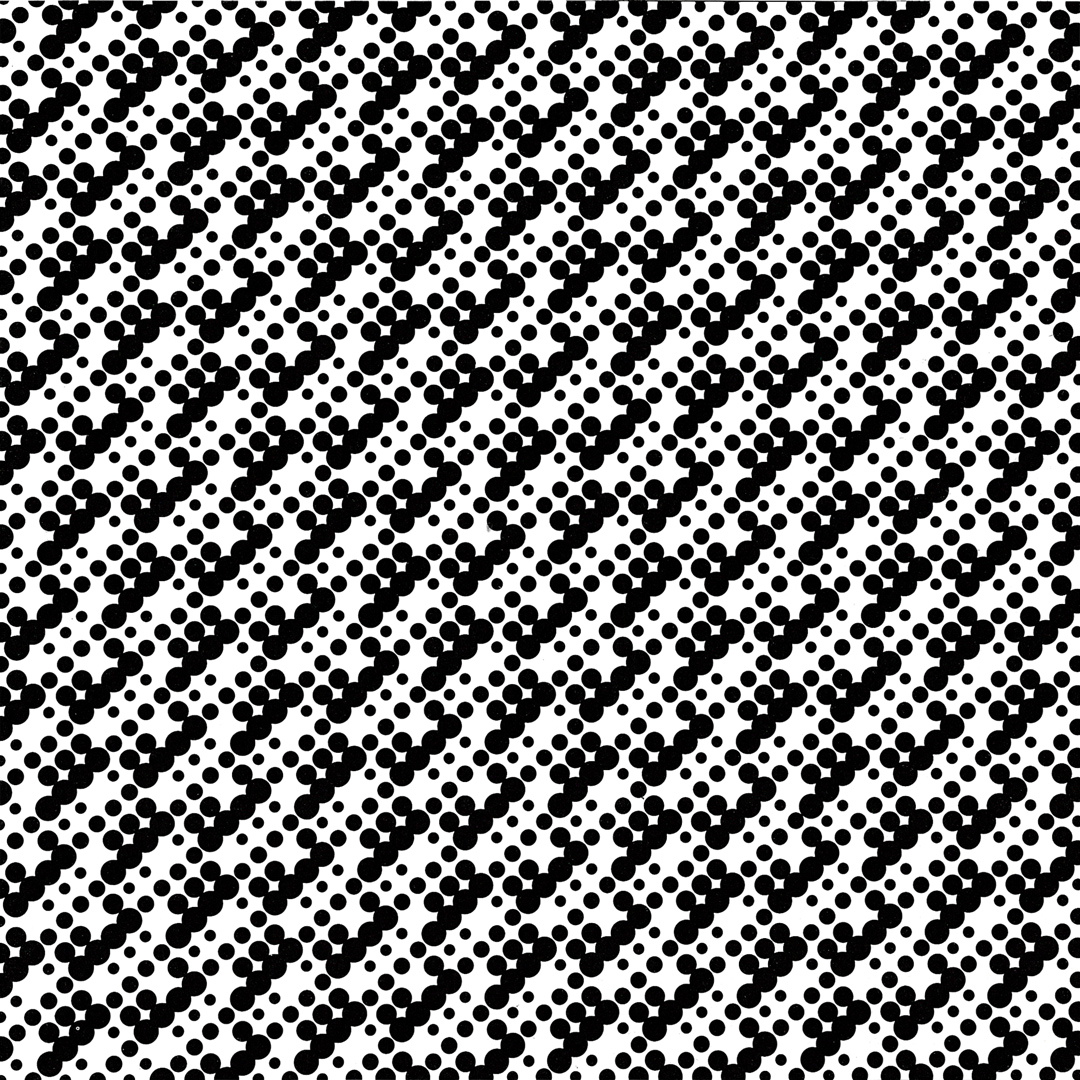
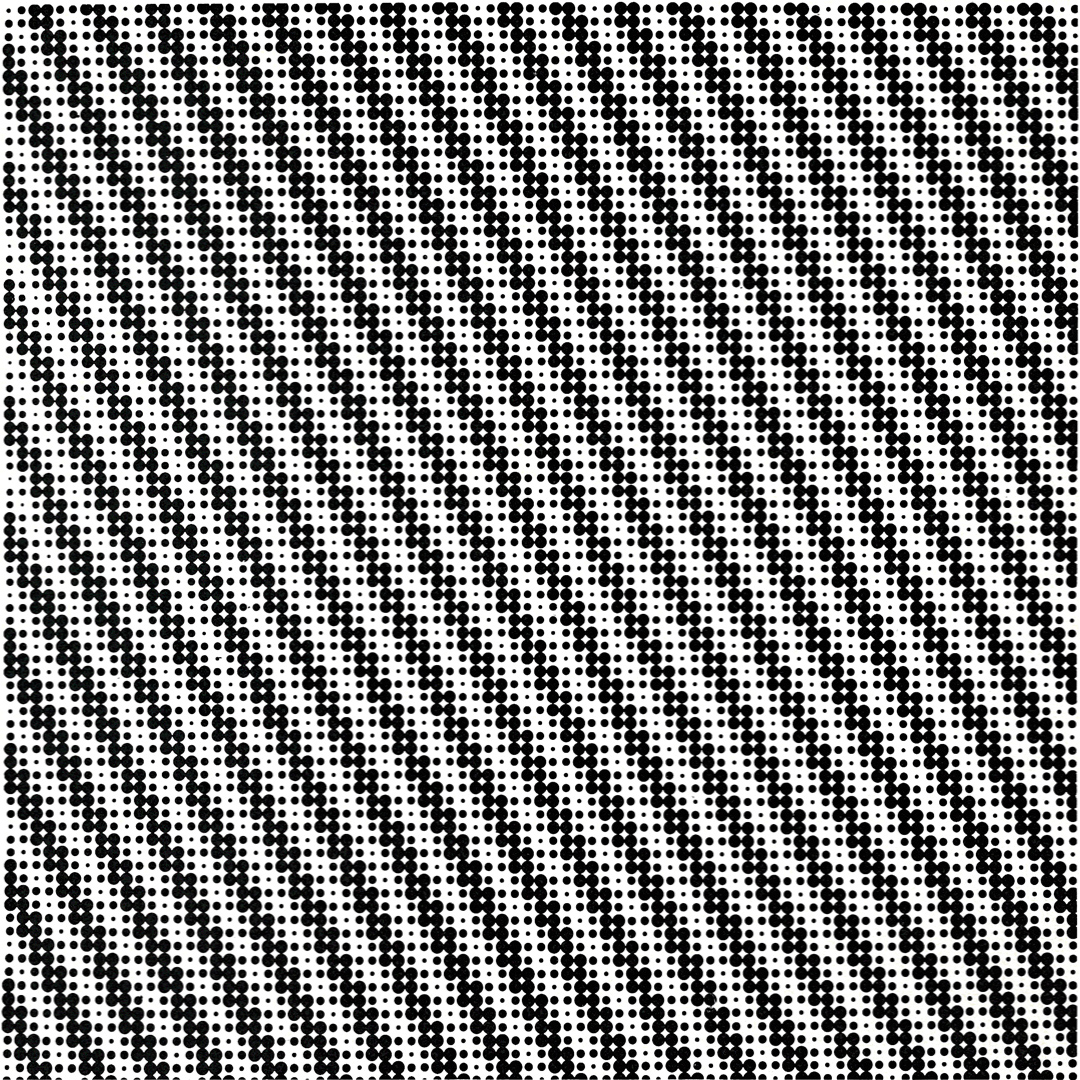
Spazio (SPACE)
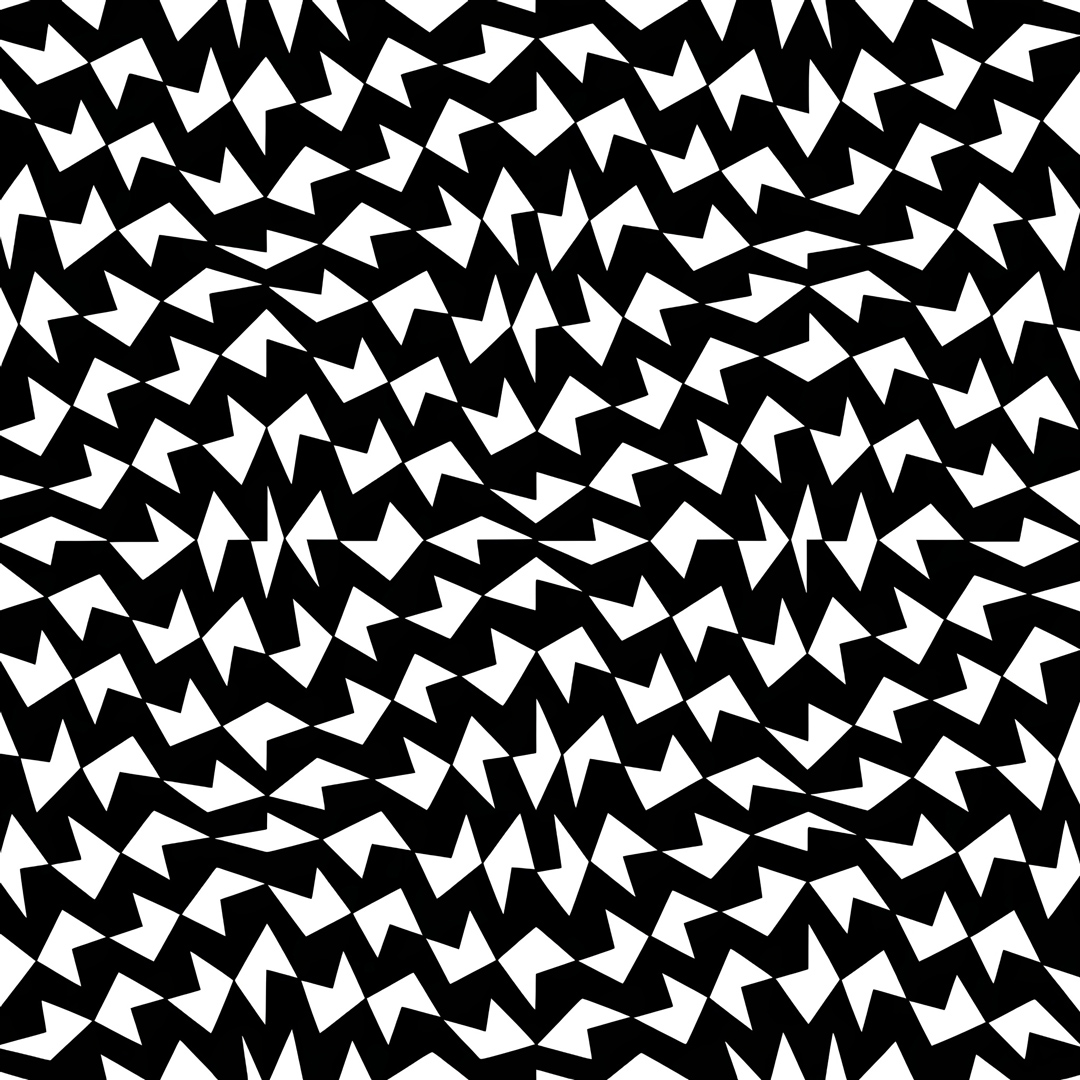
While the catalogue detailing the previous phases covers Grignani’s artistic research up to 1980, his experimental work continued into subsequent series.
The “Hyperbolic” cycle, comprising over a hundred works, was detailed in an update to the prestigious Enciclopedia della Scienza e della Tecnica (1986/87, Arnoldo Mondadori Editore) in an article titled “Iperbolicità – comunicare la forma dell’eccesso e dell’assurdo” (“Hyperbolicity – communicating the form of excess and the absurd”); here is an abstract from the Italian original text:
Iperboliche
HYPERBOLIC STRUCTURES
Here, the visual phenomenon is both complex and unique: space becomes all-encompassing, and the analytical construction of form moves toward a fully developed, visible circular tension—evident in both the diagonals and the “crossed depths”.
Despite the structure containing a remarkable concatenation of marks, the visual reading is rendered “skewed” by the continuous variation in the dimension-to-mark ratio. Height, width, depth: over the course of reading the work, the eye penetrates every mark within the sequence, outlining the surface of a three-dimensional organism driven by pure energies bound by a complex, variable order.
IPERBOLICHE
Qui il fenomeno visivo è complesso e unico, lo spazio è totale e la costruzione analitica della forma porta verso una sviluppata e visibile tensione circolare sia nel caso delle diagonali sia nelle ‘profondità crociate’.
Pur avendo nella struttura la concatenazione di segni ragguardevoli, la lettura è resa ‘sbandata’ dal variare continuo del rapporto dimensione-segno. Altezza, larghezza, profondità: l’occhio penetra con il tempo di lettura in tutti i segni della concatenazione determinando la superficie di un organismo tridimensionale di pure energie legate dal complesso di un ordine variabile.
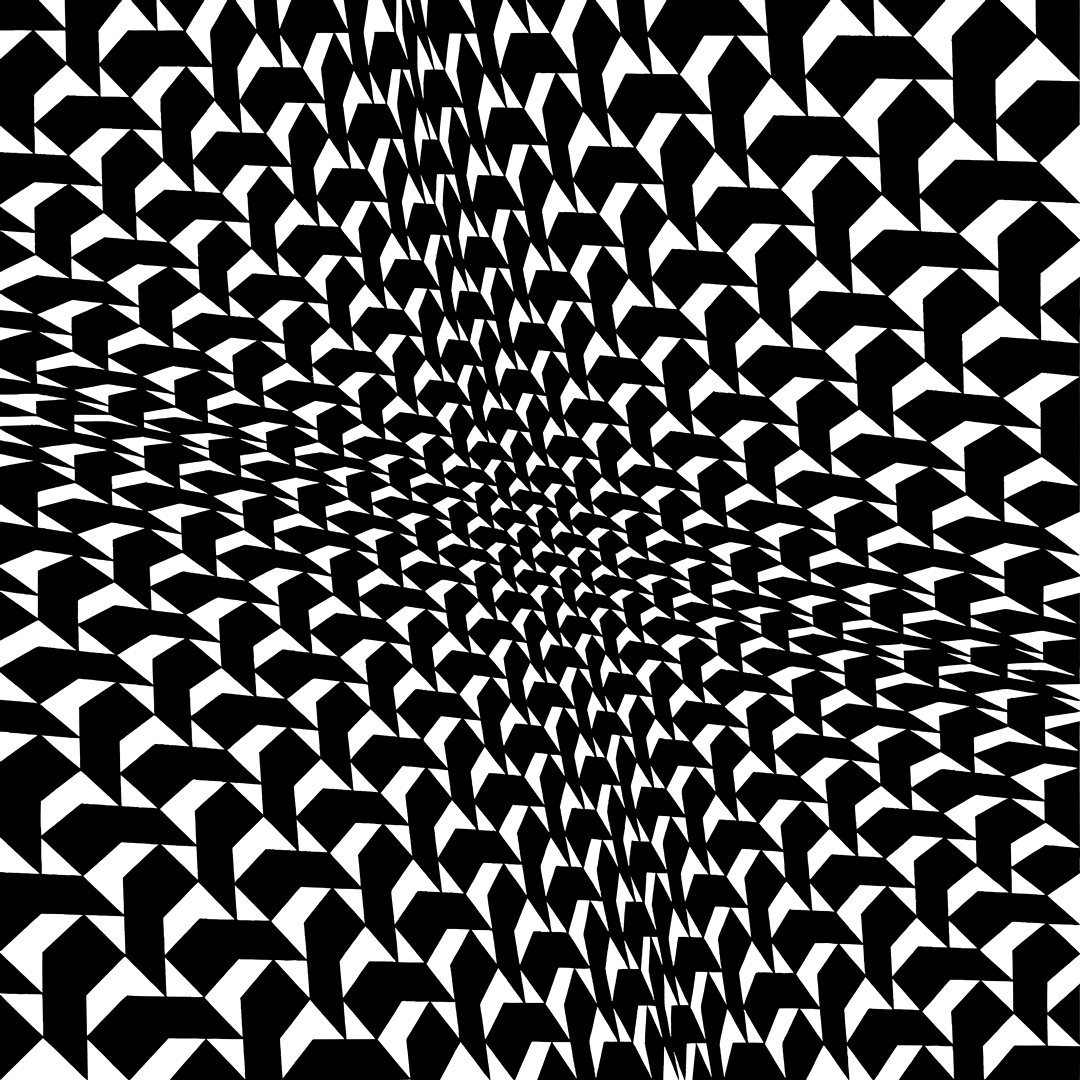
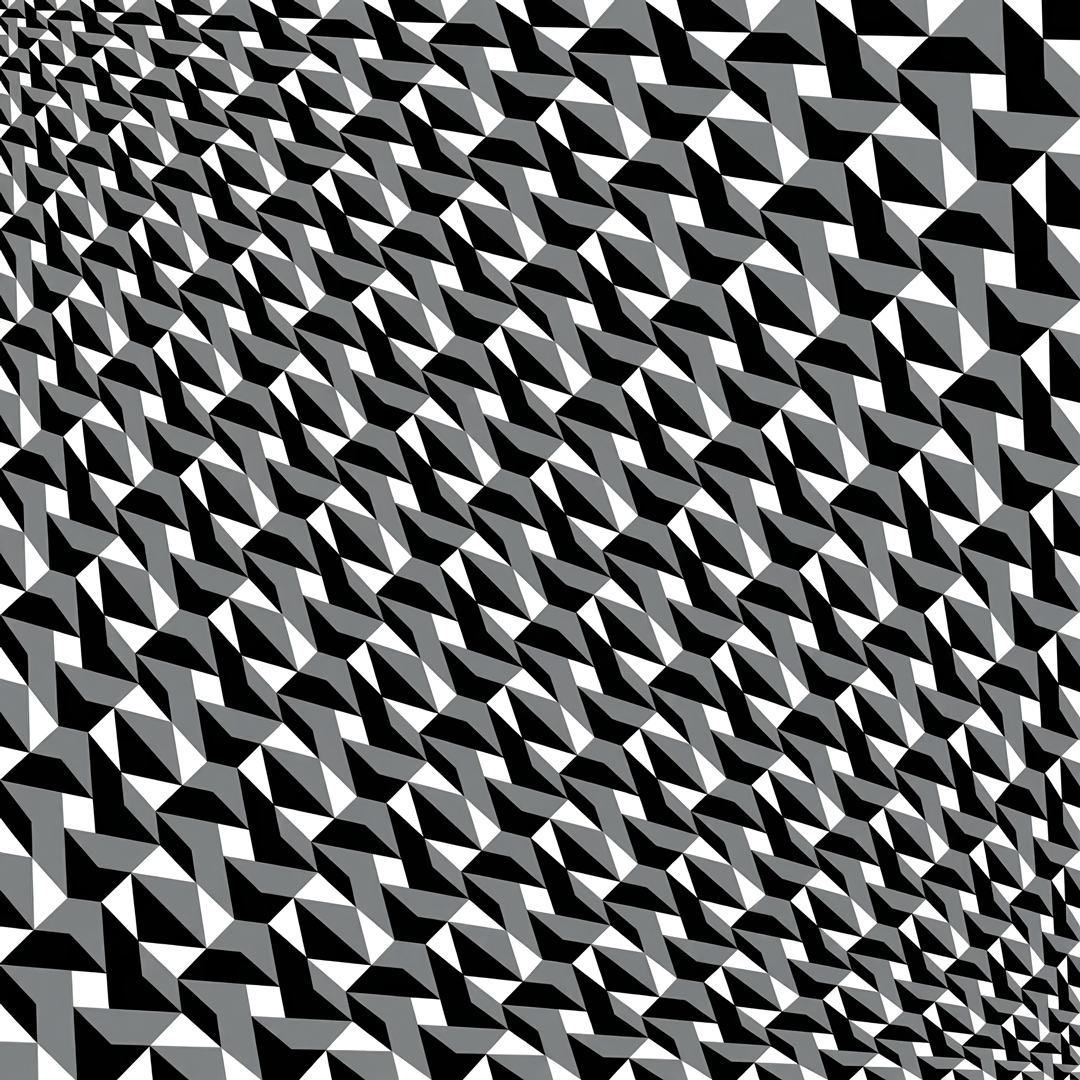
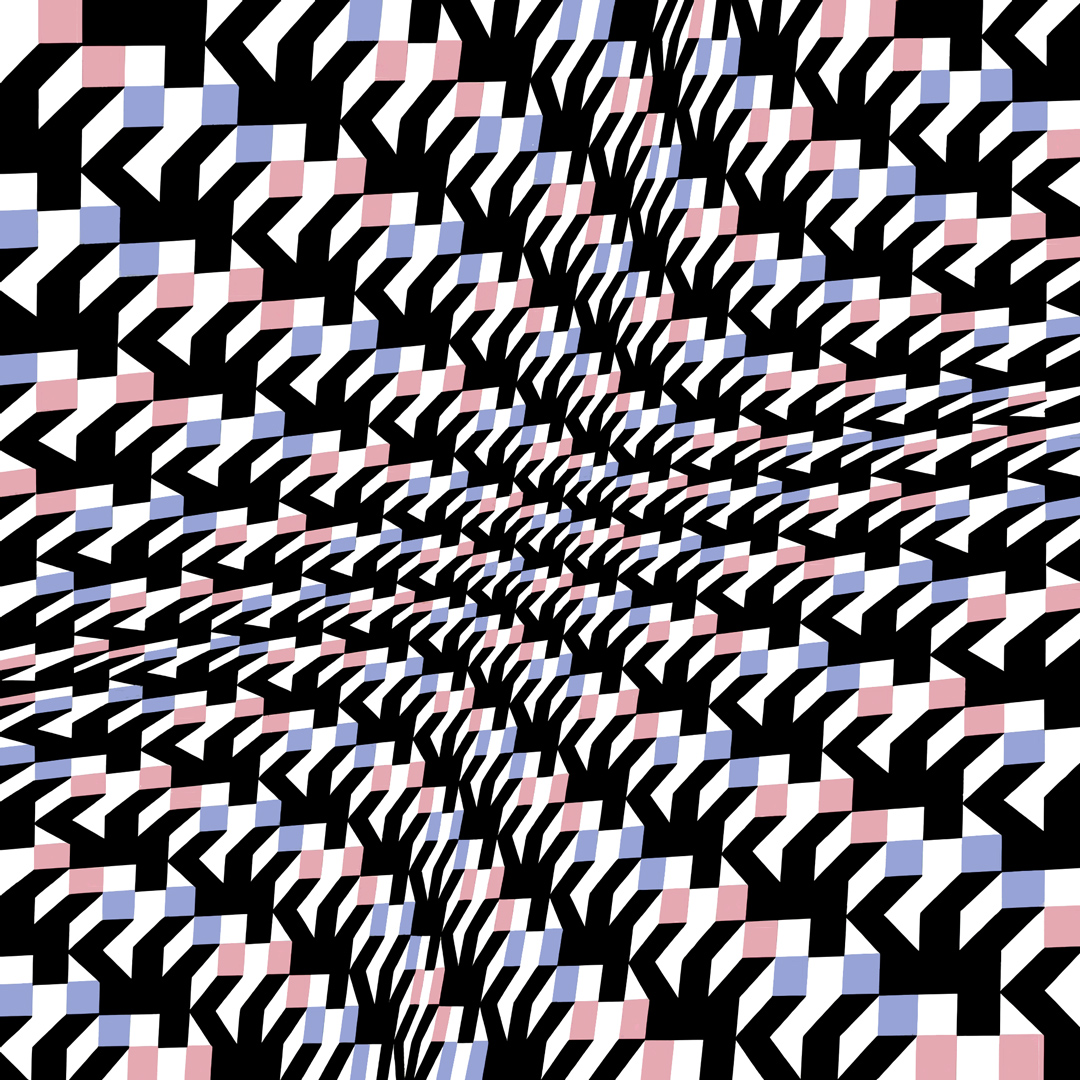
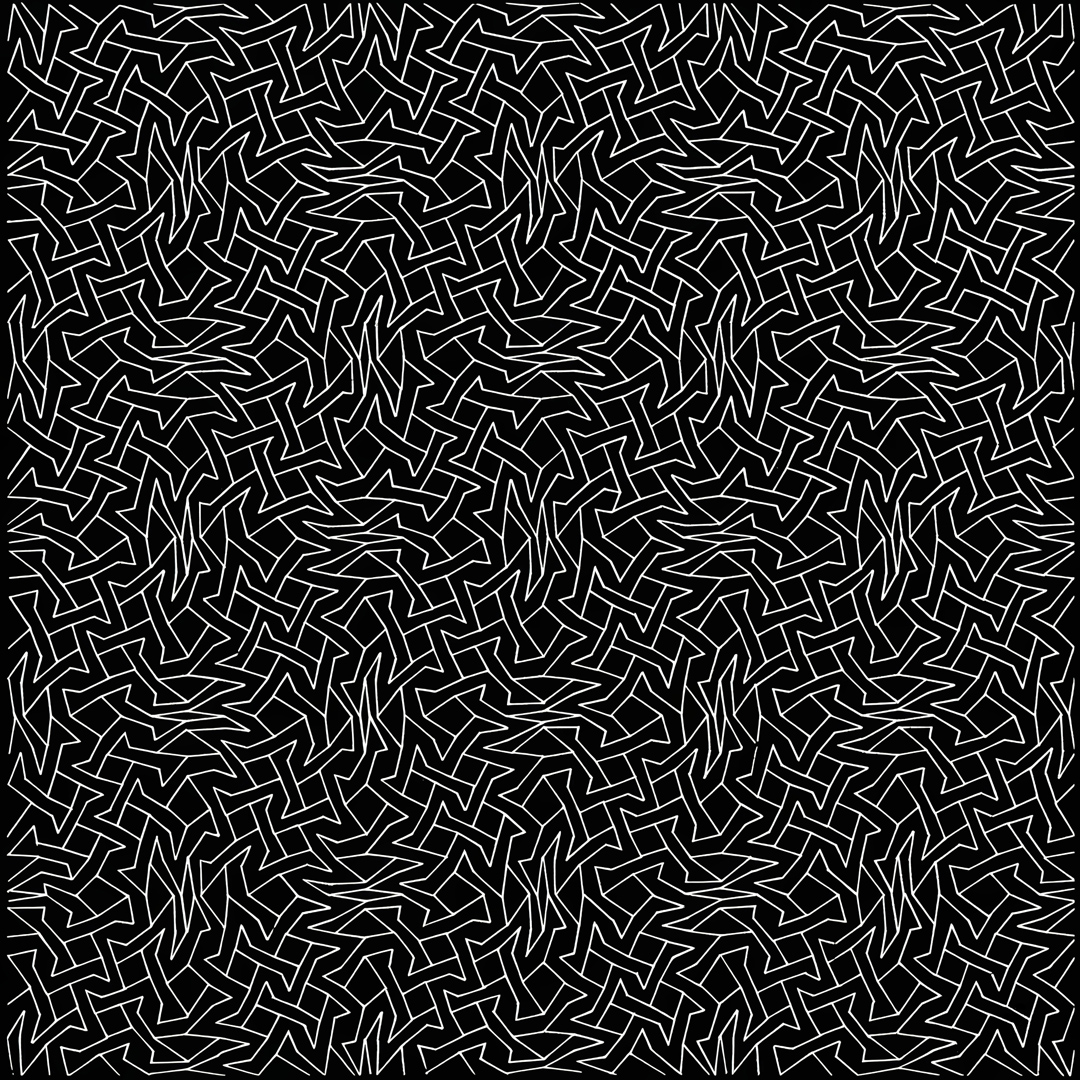
Other works from this series can be found in the catalogue for the 1991 exhibition at Arte Struktura in Milan, titled “Franco Grignani. Quasi una ‘ripetizione differente’ …”
The last major cycle includes the “Symbiotic Structures,” documented in the Lorenzelli Arte exhibition catalogue no. 42, Milan, 1988 (Grignani was 80 years old), from which we report an original excerpt in both English and Italian:
Simbiotiche
NEW SYMBIOTIC STRUCTURES
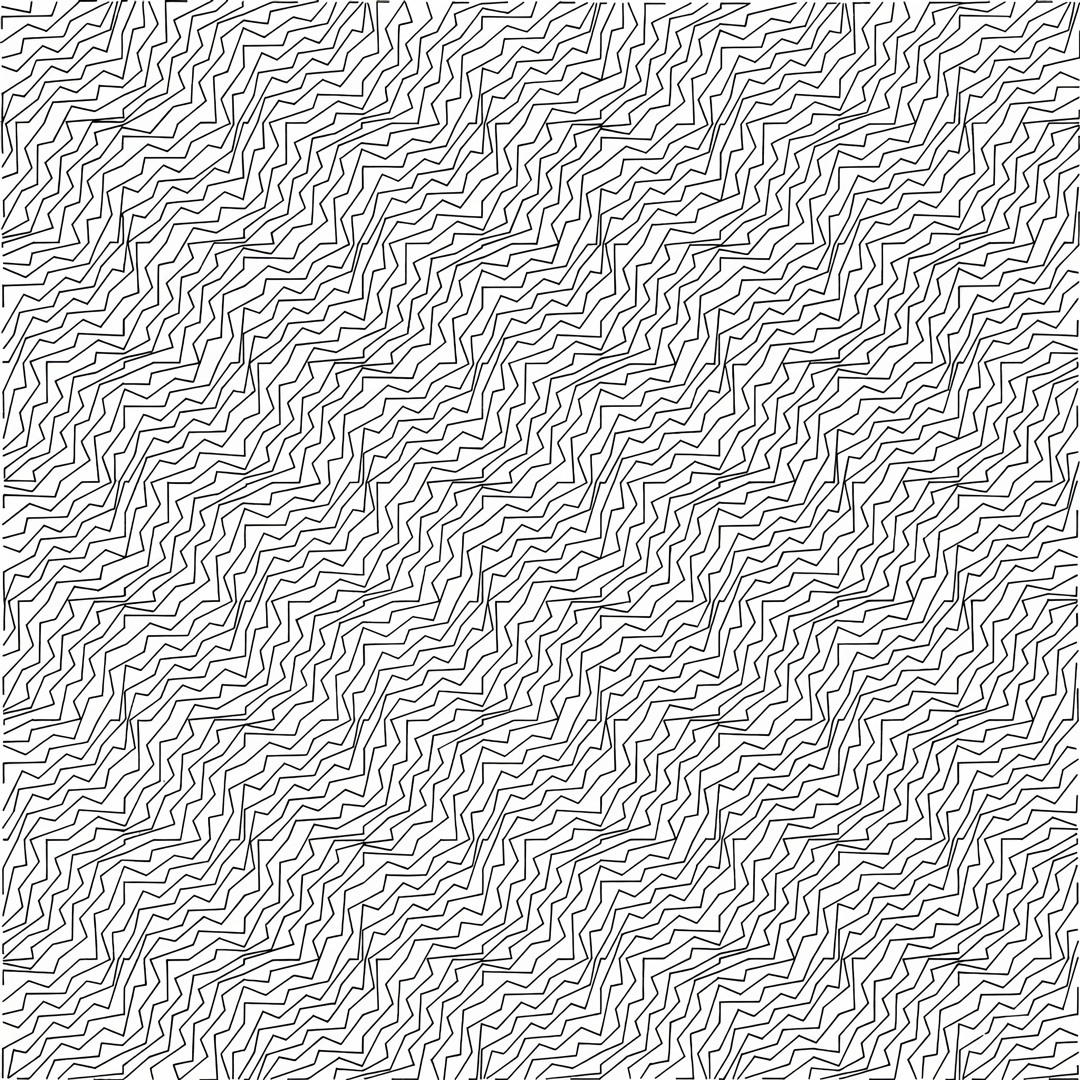
In the space of the work called field, both extensive and homogeneous, I place two unequal structures that have different graphic functions. The first of these is schematized in crossed linear progressions, generally simple, which ‘possesses’ the spatial whole. The second structure is linear and with strokes. Parallelly totalled and shifted in its development, it rises, lowers itself, sinks down, rises again, contracts, expands, stretches out … in an erroneously roving course, constant in its modular rhythms although not in its proportions. Within the entirety of these structures the eye perceives projective volumetries, the spatial charges of which are evidenced – in the fractioned passages – when they show differences between the parallel lines.
STRUTTURE SIMBIOTICHE
Nello spazio dell’opera chiamato campo, esteso e omogeneo, colloco due strutture disuguali con funzioni grafiche diverse. La prima si schematizza in progressioni lineari incrociate, generalmente semplici, che prendono possesso della totalità spaziale. La seconda struttura è lineare e a tratti. Sommata parallelamente e fatta scivolare nel suo sviluppo si alza, si abbassa, si sprofonda, si rialza, si restringe, si allarga, si adagia … , un percorso erroneamente vagante, costante nei ritmi modulari ma non nelle proporzioni. Nell’insieme di queste strutture l’occhio percepisce delle volumetrie proiettive con delle cariche spaziali che si evidenziano quando mostrano, nei tragitti frazionati, differenze fra le linee parallele.
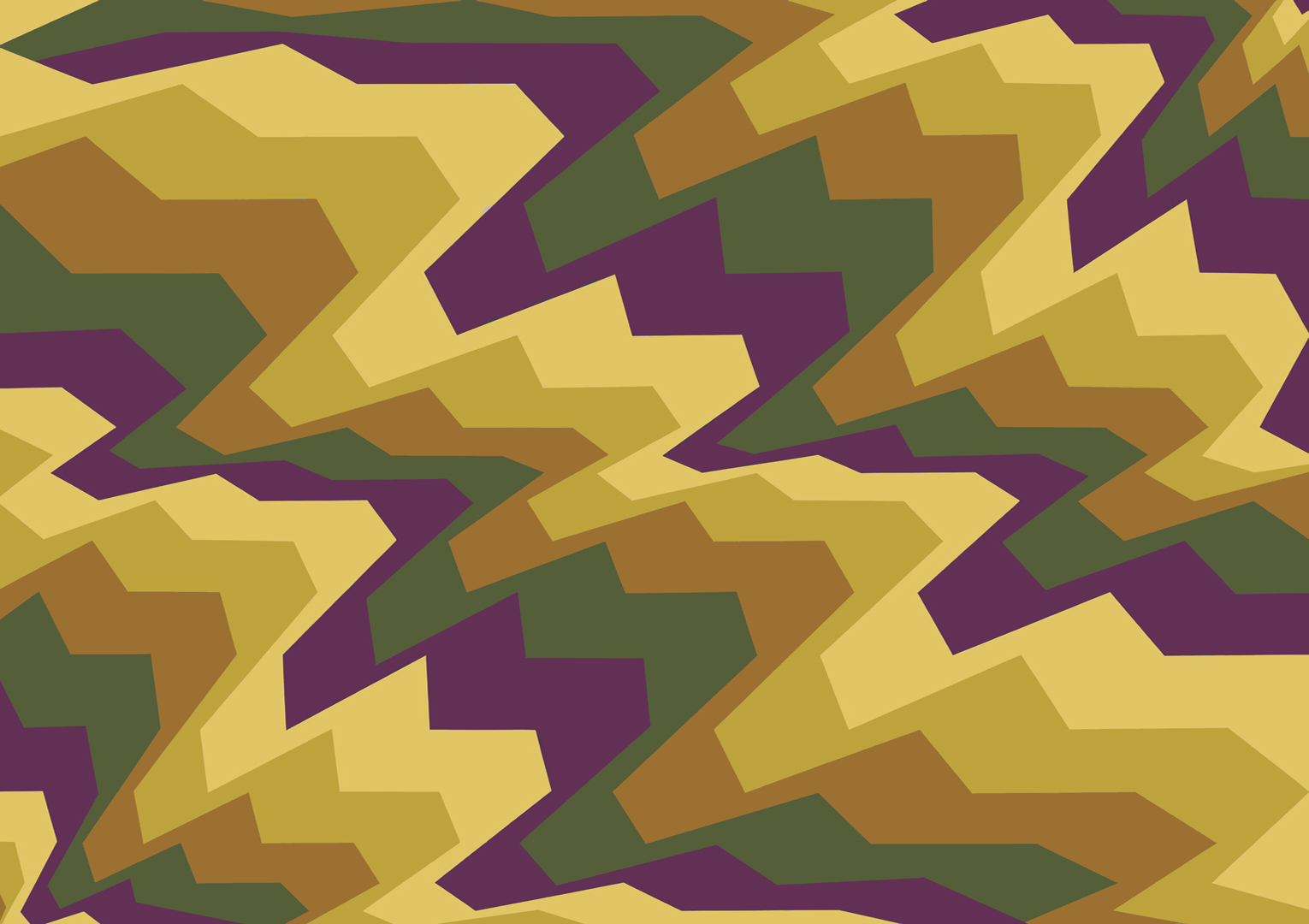
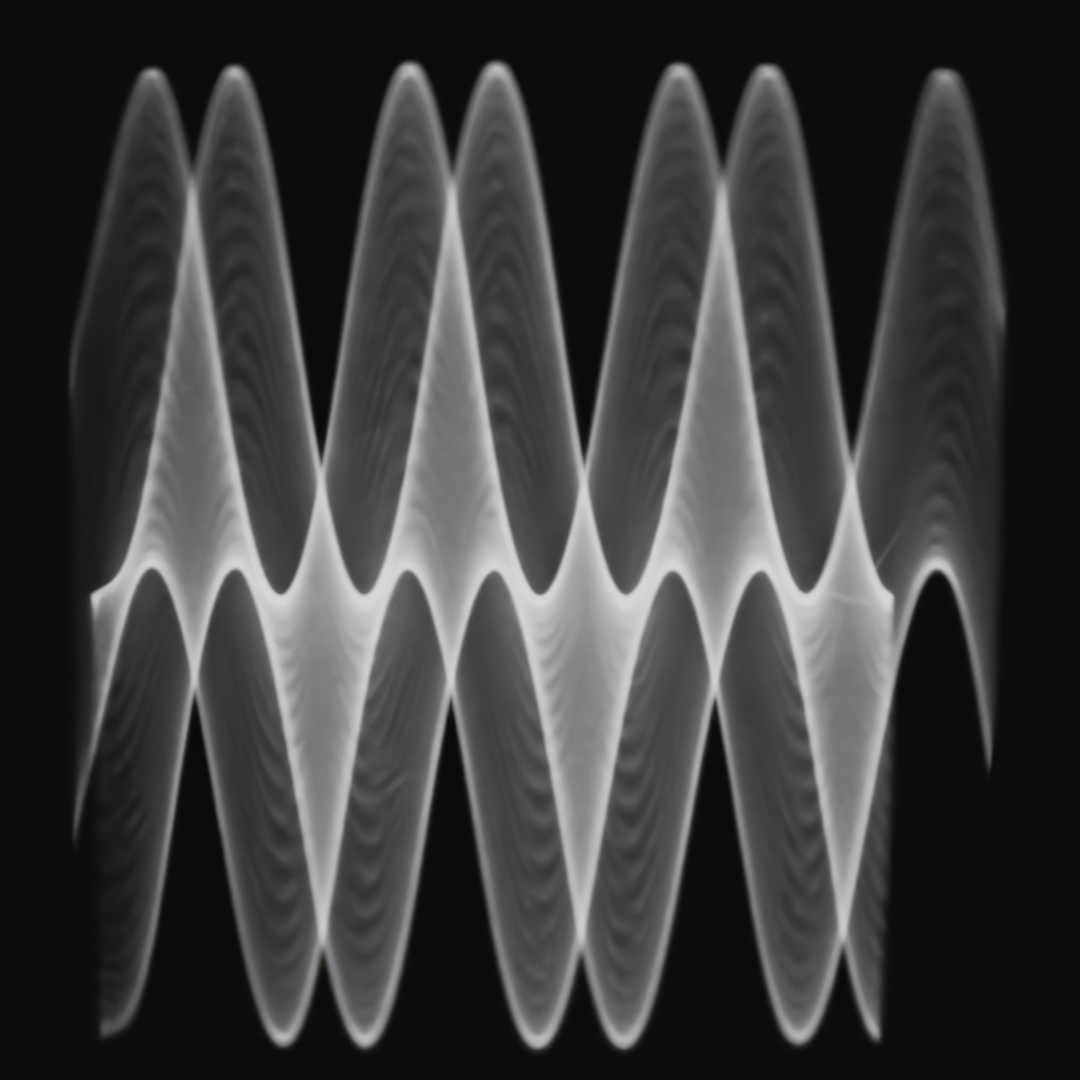
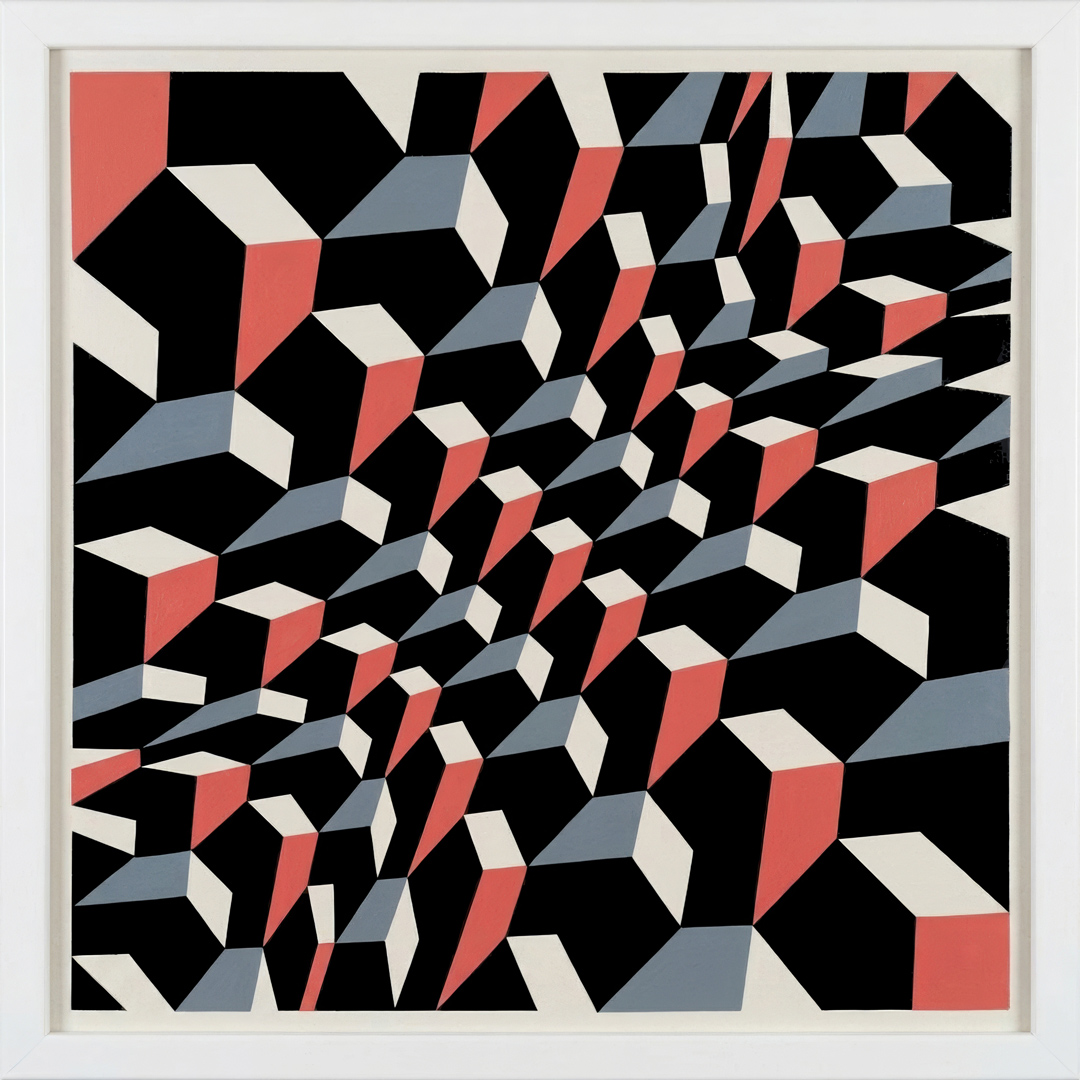
Grignani continued his relentless visual research until the very end of his life. The last known artwork with a confirmed date is Onda e fuga (Wave and Flight), created in 1993 when he was aged 85, a small-format tempera on cardboard (29×29 cm) that embodies the enduring energy and precision of his optical inquiry:
Last Updated on 20/09/2026 by Emiliano